How Flood-Resistant Flooring Reduces Insurance Claims and Protects Your Home
Water damage strikes without warning, whether from a minor leak or a severe storm. Even small incidents can escalate into expensive repairs that exceed insurance coverage limits. Homeowners benefit greatly from selecting flood-resistant flooring, which minimizes structural harm and lowers the frequency of claims. For those new to property upkeep, understanding optimal materials and their proper handling proves essential for financial and emotional relief.
Essential Insights on Flood-Resistant Flooring
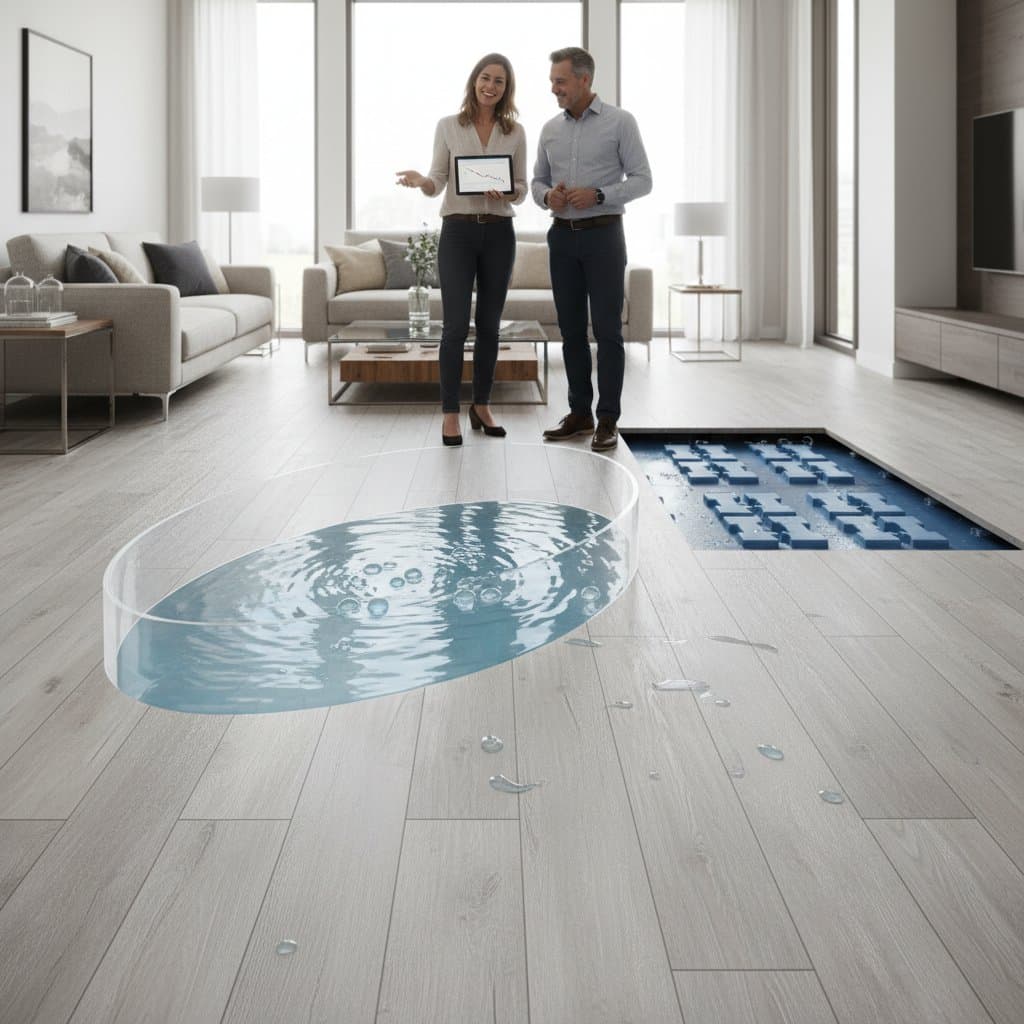
These materials repel water, resist deformation, and recover swiftly from exposure. Although no option withstands every scenario perfectly, selections like luxury vinyl tile, porcelain ceramic, and sealed concrete outperform traditional choices in vulnerable spaces such as basements, kitchens, laundry areas, and bathrooms. Proper selection yields several advantages:
- Safeguards subfloors and overall home integrity against prolonged deterioration
- Decreases insurance filings and potential premium increases tied to water incidents
- Streamlines post-exposure cleanup for leaks or light flooding
- Prolongs the durability of the flooring itself
The focus extends beyond crisis preparation to enhancing routine care and safety measures.
Identifying Early Indicators of Water Intrusion
Prompt detection prevents escalation to claim-worthy disasters. Homeowners should monitor for these common signals:
- Soft or yielding areas underfoot, indicating subsurface saturation
- Changes in color, such as darkening or fading patches
- Persistent damp smells despite thorough cleaning efforts
- Lifting seams or blistering in vinyl or laminate surfaces
- Buckling or twisting in wooden elements
Upon observing these, act swiftly. Extract standing water, employ fans for drying, and trace the leak's origin. Such rapid intervention often distinguishes minor fixes from comprehensive overhauls.
Weighing DIY Installation Against Expert Services
Homeowners face the decision of self-installation or professional involvement, guided by skill level and material demands.
Approachable for DIY Enthusiasts:
Luxury vinyl planks and rubber mats feature interlocking or adhesive-backed designs suitable for novices. Ensure the subfloor remains spotless, even, and arid prior to commencement.
Recommended for Professional Expertise:
Options including ceramic tiles, polished concrete, and composite vinyl demand precise cutting tools, exact sizing, and robust sealing processes. Faulty application risks warranty invalidation and future vulnerabilities.
Those uncertain may test skills in compact zones like pantries before addressing expansive rooms.
Scenarios Requiring Professional Intervention
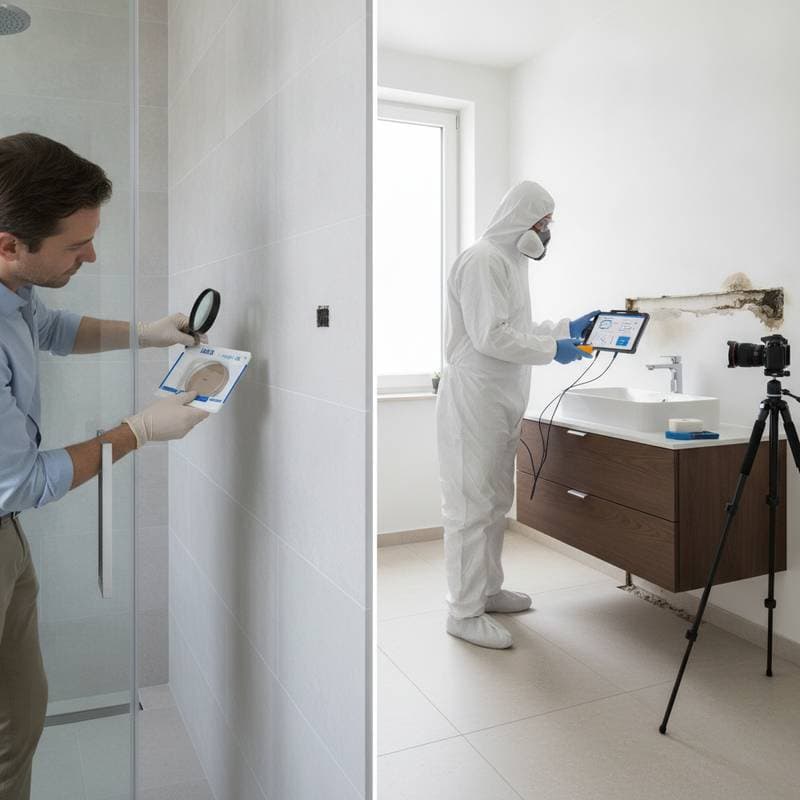
Certain conditions necessitate expert evaluation, particularly when moisture penetrates deeply. Engage flooring specialists or damage restorers when:
- Saturation persists beyond 24 hours in the flooring layers
- Visible mold or fungal development emerges
- The surface exhibits instability or irregularity
- Nearby wiring or outlets face potential shorting from wetness
Experts evaluate extent, execute thorough drying, and advise on rebuilds if necessary. Amateur attempts on extensive damage can exacerbate issues or introduce hazards.
Strategies for Sustained Upkeep
Resilient flooring demands ongoing attention to preserve efficacy. Integrate these practices into monthly routines:
- Conduct visual and tactile inspections for emerging soft spots or hue shifts.
- Refresh sealants on grout lines and concrete surfaces every two to three years.
- Deploy humidity controls like dehumidifiers in prone areas to curb excess dampness.
- Maintain exterior water diversion through clean gutters and functional downspouts.
- Archive proof of care activities, aiding future insurance processes.
Consistent vigilance diminishes severe incident risks and bolsters cost-saving outcomes over time.
Proactive Measures to Fortify Against Water Threats
Material selection forms one layer of defense; integrated tactics enhance overall security. Consider implementing:
- Sump pump systems in lower levels to redirect stormwater efficiently.
- Scheduled plumbing inspections to avert hidden pipe failures.
- Elevated moldings and moisture-tolerant edging for incidental splashes.
- Foundation audits for fissures or shifts that invite infiltration.
These enhancements, paired with resilient surfaces, form a robust barrier system.
Strengthening Home Resilience Step by Step
Navigating flooring upgrades requires balancing options, budgets, and specifics. Incremental progress builds expertise without overwhelm. Target high-risk zones first, gather knowledge progressively, and acknowledge advancements.
Flood-resistant flooring serves as a foundational shield for property, finances, and well-being. Mastery of selection, setup, and care empowers broader home management confidence.