Multigenerational Homes Drive Higher Remodel ROI
Home renovation projects across the United States face rising costs driven by changing family dynamics. More homeowners now invest in spaces that accommodate multiple generations under one roof. Multigenerational layouts represent one of the strongest property investments available today.
Rising housing costs, limited new construction, and shifting family needs push more households toward shared living. Remodels that support this trend yield higher resale value, stronger rental potential, and increased long-term comfort. The payoff becomes measurable when homeowners plan strategically for expansion that serves parents, adult children, or both.
Market Forces Behind the Surge
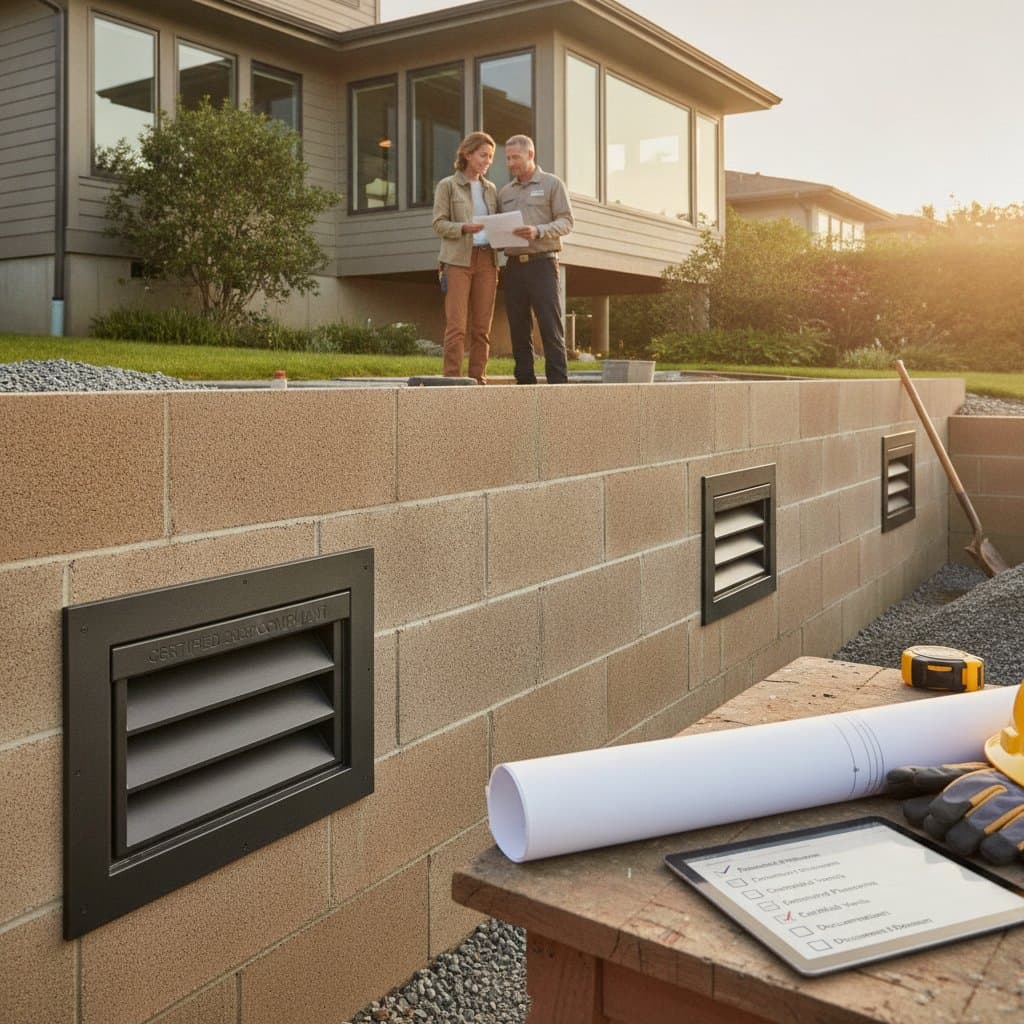
Affordability pressures and limited inventory drive families to reconsider traditional living arrangements. Many homeowners choose to remodel rather than relocate. Conversions of basements into private suites or additions of separate entries and kitchenettes create flexible spaces that serve immediate family members and future buyers.
Homeowners who completed lower-level conversions report additions of approximately 15 percent to appraised home value. Such changes also deliver peace of mind through independent yet nearby living arrangements. Functional design proves more valuable than purely aesthetic upgrades.
Properties with private in-law suites or adaptable layouts sell faster and command higher offers. Buyers view these features as long-term solutions for caregiving, rental income, or future-proofing.
Decision Framework for Professionals Versus Owners
A multigenerational renovation requires more than weekend effort. Owners can manage light framing, painting, or flooring work. Structural changes, plumbing reroutes, and electrical updates require professional oversight.
Owners may handle basic finish work such as painting, flooring installation, or trim. Minor accessibility additions like grab bars or lever handles also fall within owner capabilities.
Professionals must complete structural modifications, load-bearing wall removal, secondary kitchen or bathroom additions, HVAC zoning, plumbing line extensions, and electrical rewiring to meet code.
One homeowner attempted to manage plumbing independently and faced a failed inspection plus costly corrections. Licensed professionals from the start would have saved time and stress. Safety rules require certified trades for electrical systems, gas lines, or structural supports. Insurance coverage may become void if unlicensed work appears later.
Design Priorities for Lasting Flexibility
Successful multigenerational remodels emphasize flexibility to meet changing needs. Begin by mapping traffic flow, privacy zones, and accessibility requirements.
Key priorities include the following elements:
- Separate entrances that provide independence and later serve as rental access points.
- Soundproofing through acoustic drywall or insulation between floors to maintain privacy.
- Universal design features such as wider hallways, lever-style handles, and curbless showers.
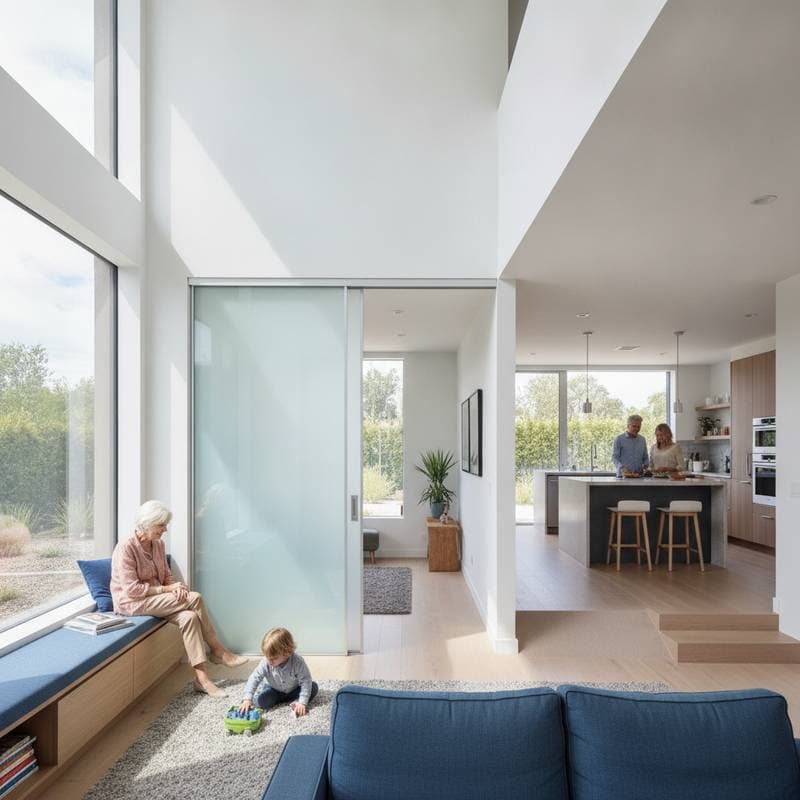
- Shared yet adaptable spaces that use sliding partitions or pocket doors.
- Energy efficiency upgrades including improved insulation, HVAC zoning, and LED lighting.
Energy upgrades lower monthly costs by 20 to 30 percent while improving comfort for all residents.
Financial Returns and Lasting Benefits
Financial benefits extend beyond immediate resale. Average resale return on investment reaches 60 to 80 percent. A private suite can generate 1200 to 2000 dollars monthly in rental income depending on location. Upgraded insulation and HVAC zoning reduce utility expenses by 25 percent. Housing an aging parent avoids 30000 to 50000 dollars in annual assisted living costs.
These outcomes position multigenerational renovations as hedges against rising living expenses and routes to long-term stability.
Protecting Long-Term Value
Routine maintenance and targeted upgrades preserve remodel value after completion. Annual inspections of plumbing and HVAC systems maintain efficiency. Flooring and paint in high-traffic areas benefit from refresh cycles every five to seven years. Accessibility features require periodic review as family needs change. Documentation of permits, warranties, and professional invoices supports future resale.
Listings that highlight layout versatility attract buyers seeking spaces that evolve with their requirements.