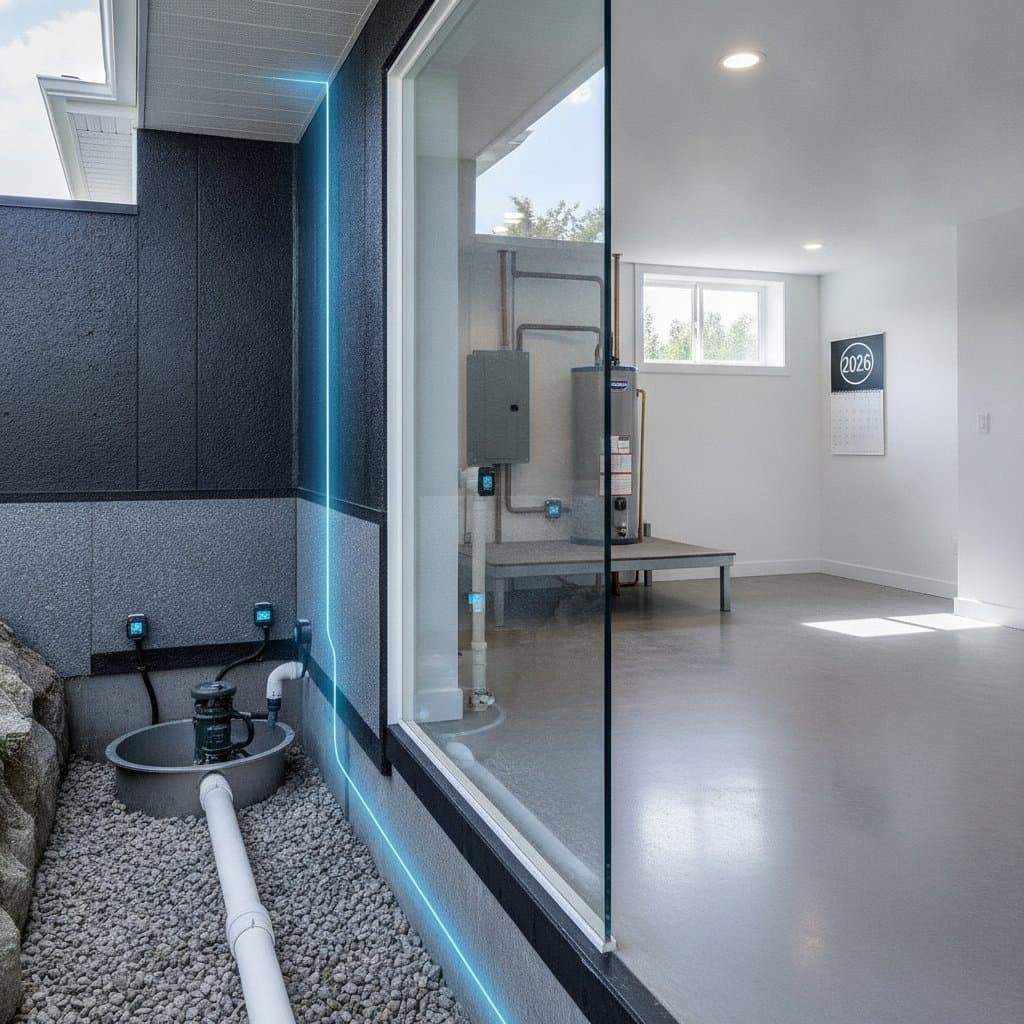
- Insurance Verification: Insurers will review vent certifications during policy renewals to determine eligibility for premium reductions. Lack of proof may result in denied discounts.
- Installation Standards: Inspectors will evaluate vent placement, elevation above base flood level, and quantity per enclosed area. Non-standard installations will not qualify for benefits.
- Digital Tracking: FEMA plans to implement a digital platform connecting vent certifications directly to NFIP records, streamlining verification for homeowners and insurers.
These updates incentivize proactive measures. Homeowners who install certified vents ahead of the deadline and keep detailed records position themselves for maximum financial relief.
Which Flood Vents Qualify Under FEMA’s Updated Standards?
Engineered flood vents that undergo rigorous testing by certified organizations qualify for compliance and insurance incentives. These devices must demonstrate reliable operation under flood conditions, including automatic activation and sufficient airflow capacity.
To meet standards, vents require installation at a height no higher than 12 inches above the lowest adjacent grade, aligned with base flood elevation guidelines. Screens or covers that impede flow disqualify the setup. Select vents based on these essential attributes:
- Third-party certification: Confirm alignment with FEMA Technical Bulletin 1 and NFIP criteria through labels or documentation.
- Automatic operation: Devices activate via water pressure without needing human input, ensuring functionality during emergencies.
- Durability: Opt for corrosion-resistant materials like galvanized steel or engineered plastics to withstand prolonged exposure.
- Proper sizing: One vent typically covers up to 200 square feet; calculate needs based on your home's enclosed crawlspace or basement area.
Engage a contractor familiar with FEMA protocols for installation. Submit photographs of the setup, product specifications, and certification paperwork to your insurer for verification.
What Happens If You Ignore the New Requirements?
Failure to comply with 2026 standards exposes homeowners to elevated risks and costs. Insurers may impose higher premiums or eliminate discounts for properties lacking verified flood vents, reflecting the increased likelihood of flood damage.
Structurally, non-compliant homes face greater hydrostatic forces, potentially leading to foundation cracks or wall failures. During property sales in flood zones, buyers and lenders demand compliance proof, which can stall transactions or lower offers by thousands.
Address these issues by conducting a home audit now. Identify enclosed areas needing vents and budget for upgrades to avoid penalties post-2026.
FAQs
Will the new FEMA flood vent rules apply to existing homes?
Yes, the rules extend to all structures in special flood hazard areas. Current homeowners must retrofit if seeking insurance discounts, with phased implementation allowing time for adjustments.
Can I install flood vents myself?
DIY installation is possible if you adhere strictly to manufacturer and FEMA guidelines on spacing and elevation. However, professional oversight ensures accuracy, as errors often lead to disqualification.
How often should I inspect my flood vents?
Perform annual checks and immediate reviews after floods or heavy rains. Clear any obstructions like sediment or debris to maintain operational integrity.
What documentation do I need for insurance discounts?
Compile certification documents, dated installation photos, and engineer stamps if required. Present these during policy reviews to secure reductions.
Are there grants or incentives for flood mitigation upgrades?
Local and federal programs, including NFIP community assistance, offer funding for compliant installations. Contact your county emergency management agency to explore options.
Securing Long-Term Protection
FEMA-compliant flood vents serve as a foundational element in flood defense strategies. They minimize water damage risks while unlocking insurance efficiencies and enhancing marketability.
Plan your upgrade by assessing your property's flood zone status through FEMA maps. Coordinate with certified installers to complete work before 2026, ensuring seamless integration with your home's systems. This investment safeguards your assets against rising waters and regulatory shifts.