Key Takeaways
- Circadian lighting aligns indoor illumination with natural sunlight cycles to promote healthy sleep patterns, stable moods, and sustained daytime concentration.
- Integration of smart circadian systems enhances overall home comfort and elevates perceived property value through the seamless combination of health-focused technology and aesthetic design.
- Implementation of warm, subdued lighting in the evening alongside bright, cool tones in the morning establishes a harmonious daily rhythm within the home environment.
How Circadian Lighting Functions
Quick overview: Circadian lighting employs smart bulbs or fixtures that dynamically adjust brightness and color temperature according to the time of day.
Circadian lighting systems utilize advanced tunable LED technology capable of transitioning from cool white hues to warm amber shades. Certain setups integrate with environmental sensors or central smart home hubs to automate these adjustments. Alternative configurations adhere to predefined schedules or synchronize directly with local daylight variations.
The fundamental principle emphasizes equilibrium rather than mere intensity. Morning illumination energizes the body, midday lighting sustains productivity, and evening glow induces relaxation. These systems facilitate gradual shifts in lighting characteristics, allowing the body to adapt seamlessly without abrupt disruptions.
In everyday applications, install smart circadian lights in key areas such as living rooms, bedrooms, and kitchens. Bedrooms derive the greatest advantages, as lighting in these spaces profoundly influences sleep quality. In living areas exposed to natural light, circadian bulbs compensate effectively during overcast weather or periods of reduced seasonal daylight.
The Impact of Circadian Lights on Sleep Quality
Concise response: Yes, appropriate light tones delivered at optimal times enhance sleep initiation and overall restfulness.
The human brain processes light signals via a specialized region that governs melatonin production, the hormone responsible for regulating sleep-wake cycles. Morning exposure to cool, blue-enriched light inhibits melatonin release and fosters alertness. In contrast, evening illumination in warm, amber tones encourages melatonin synthesis, signaling the body to prepare for restorative sleep.
Research indicates that regular use of warm evening lighting contributes to deeper sleep stages and more effortless morning awakenings. Households adopting circadian lighting frequently observe improved sleep consistency and heightened daily vitality. Individuals who remain indoors for extended periods, including remote professionals or families in low-light regions, experience the most pronounced benefits.
Emerging Design Trends in Circadian Lighting
Brief summary: Trends this year feature simulations of natural light, minimalist fixtures, and finishes in warm tones for circadian applications.
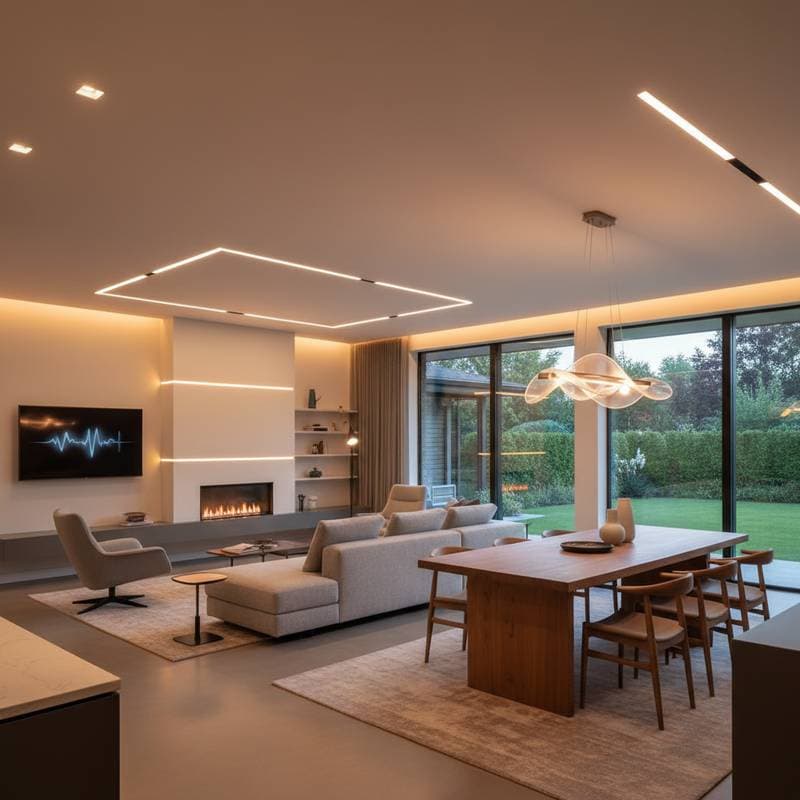
Interior designers increasingly combine circadian lighting with materials that incorporate rich textures and neutral palettes. The objective remains to embed the technology unobtrusively into the surroundings, avoiding an overtly gadget-like appearance. Concealed LED strips positioned behind valances or beneath cabinetry enable subtle tone variations without becoming focal points.
Prominent trends encompass:
- Subdued minimalism: Fixtures that merge seamlessly with ceiling profiles or cabinet structures.
- Biophilic integration: Lighting that harmonizes with organic elements such as wood grains or stone surfaces.
- Multi-layered controls: Options for users to toggle between personalized scenes suited to activities like work, meals, or leisure.
- Responsive wellness features: Systems that adapt based on user activity or prevailing natural light levels.
For those passionate about design, circadian lighting infuses living spaces with a dynamic vitality that evolves across the day. It complements contemporary neutral schemes, organic textiles, and authentic natural elements exceptionally well.
Pitfalls to Steer Clear of in Circadian Lighting Setup
Direct advice: Prevent diminished effectiveness by avoiding excessively bright evening settings, erratic programming, and neglect of natural light indicators.
Numerous homeowners acquire tunable lights yet configure them to fixed modes, thereby undermining the core intent. Circadian systems thrive on progressive alterations that nurture the body's internal clock.
Key errors to circumvent include:
- Maintaining cool-toned lights during nighttime hours.
- Employing incompatible bulb types across different rooms.
- Overlooking synchronization with ambient daylight.
- Neglecting to reduce intensity during periods of relaxation or entertainment.
Optimal outcomes emerge from steadfast application. As the body acclimates, enhancements in sleep depth and energy levels become evident.
Frequently Asked Questions About Circadian Lighting
Does circadian lighting boost a home's resale value?
Yes, such features appeal to prospective buyers prioritizing wellness and smart technology. Although they do not assure elevated sale prices, they bolster impressions of superior quality and livability.
Are circadian lights energy-efficient?
Tunable LED options generally consume less power than traditional incandescent varieties. Intelligent automation further minimizes waste by deactivating unused lights, potentially decreasing electricity expenses.
Is compatibility possible with standard dimmer switches?
Compatibility varies by bulb model. Numerous smart variants require management through dedicated apps or hubs rather than conventional dimmers. Verify specifications prior to purchase and installation.
Which color temperature suits relaxation best?
Tones ranging from 2200K to 2700K deliver a soothing ambiance conducive to pre-bedtime unwinding.
Is professional installation required?
Professional assistance proves unnecessary for many setups, which operate on a plug-and-play basis. However, for custom-integrated fixtures or intricate automation, expert involvement guarantees reliable performance.
Experiencing Daily Life with Circadian Lighting
After a complete day illuminated by circadian systems, conventional bulbs appear unchanging and lackluster. The nuanced tonal progressions transform perceptions of domestic spaces. Mornings gain a invigorating freshness, afternoons preserve equilibrium, and evenings foster tranquility.
Such homes operate with greater intuition. Lighting evolves as an integral component of daily routines, transcending its role as mere background. Families benefit through supported sleep schedules for children, while remote workers gain sustained focus and lessened exhaustion.
Enhancing Comfort and Property Value Over Time
Incorporating circadian lighting establishes enduring wellness benefits and elevates home appeal. These systems not only optimize health rhythms but also position properties as forward-thinking sanctuaries. Homeowners who prioritize such innovations enjoy spaces that adapt intelligently, promoting long-term satisfaction and market desirability.