FEMA's 2026 Flood Vent Rules Change Everything
FEMA's updates for 2026 introduce significant changes to flood protection standards, particularly regarding flood vents and wet-proofing materials. These revisions aim to enhance home resilience in flood-prone areas by mandating automatic flood vents that allow water to flow freely and the use of materials designed to withstand prolonged submersion. Property owners in regulated floodplains must adapt to these rules to maintain insurability and reduce potential damage from flooding events.
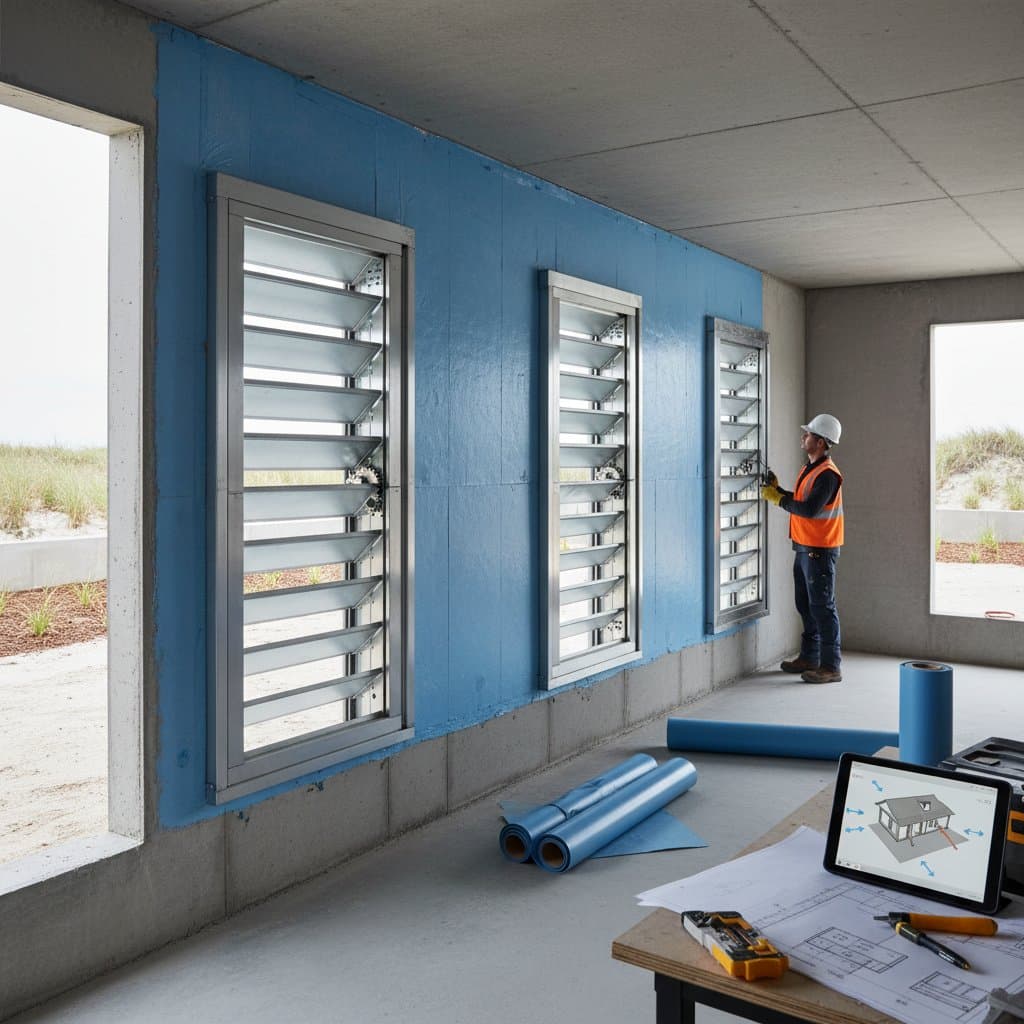
The new guidelines emphasize true wet-proofing, which involves elevating critical systems and using corrosion-resistant components. Unlike traditional dry-proofing methods that attempt to keep water out entirely, wet-proofing accepts water entry but minimizes its impact. This shift requires homeowners to evaluate their properties carefully and implement targeted upgrades.
Key Compliance Areas
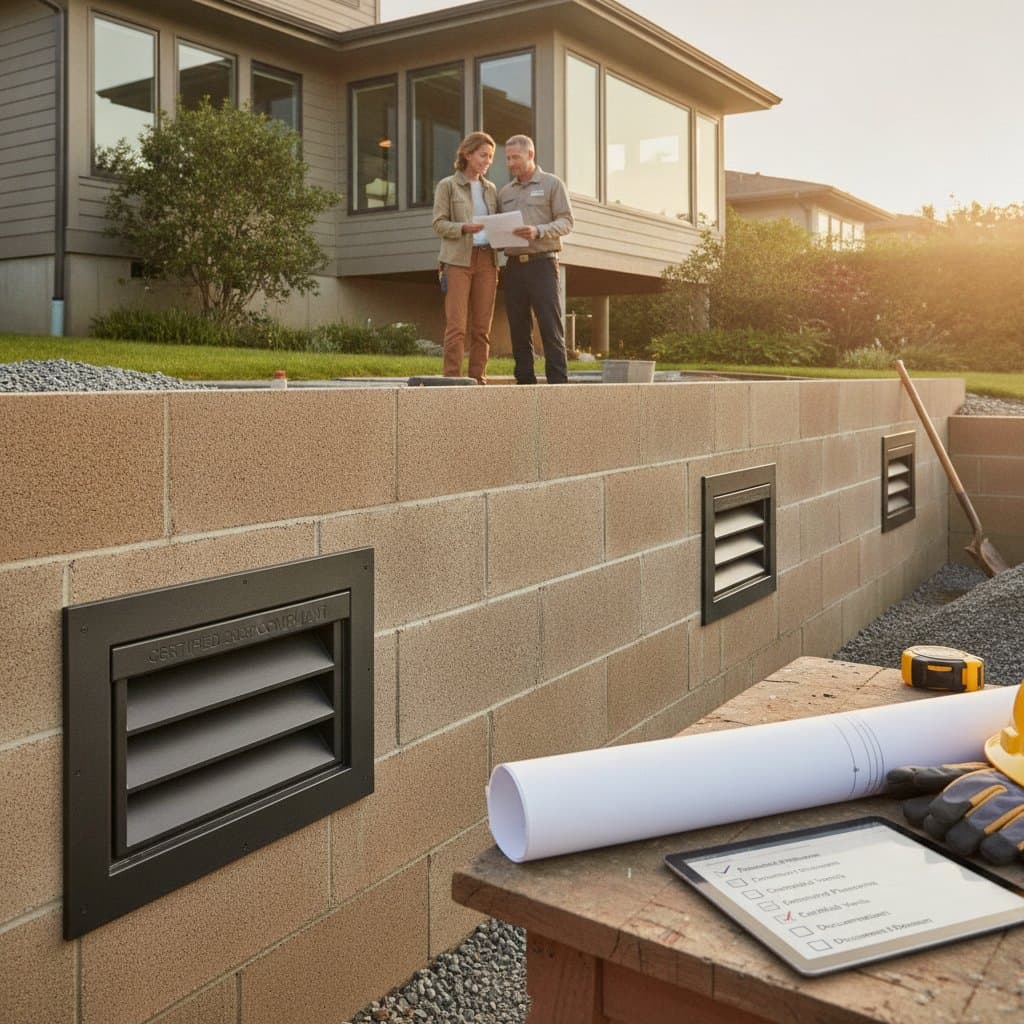
Homeowners face several critical areas for compliance under the 2026 rules. Structural retrofits often include installing flood vents in load-bearing walls to equalize hydrostatic pressure and prevent foundation failure. These vents must operate automatically, opening when water reaches a certain level without manual intervention.
Electrical systems near flood zones require elevation or enclosure in waterproof housings to protect wiring and outlets from submersion. Similarly, HVAC units positioned low in the structure may need relocation to higher levels or replacement with flood-resistant models. These adjustments ensure that essential services remain functional after a flood.
Certification plays a vital role in meeting FEMA standards. Documentation from qualified professionals verifies that installations comply with the latest criteria. Insurers and local authorities increasingly demand this paperwork before approving policies or permits.
If a property resides in a regulated floodplain, a professional inspection becomes essential. Municipalities frequently mandate a compliance certificate prior to issuing or renewing flood insurance. Skipping this step risks policy denial and heightened vulnerability.
Obtain three quotes from local contractors before proceeding with any work. This approach allows comparison of labor costs, timelines, and expertise in FEMA floodproofing requirements. Selecting a contractor familiar with the 2026 updates ensures accurate implementation.
Return on Investment and Long-Term Value
Investing in FEMA-compliant wet-proofing yields measurable benefits. Such upgrades enhance property resilience and can reduce flood insurance premiums by 15 to 25 percent. Properly vented homes experience less structural damage during floods, which translates to substantially lower repair expenses over time.
From a market standpoint, FEMA compliance influences resale appeal, especially in coastal or riverine locations. Prospective buyers routinely inquire about flood protection measures. A compliance certificate can accelerate the sales process and justify a higher asking price.
When the author sold a previous home, the buyer's insurer requested flood vent documentation prior to closing. The certified and recorded vents resolved the issue promptly, validating the prior investment. This experience underscores how compliance safeguards financial interests.
System Maintenance Essentials
Flood vents and wet-proofing installations demand regular upkeep to function effectively. Conduct annual inspections to check for debris accumulation in vents. Ensure that paint, landscaping elements, or insulation do not obstruct the openings. Clean vents using mild detergent and water, avoiding corrosive chemicals on metal surfaces.
Reapply protective epoxy coatings or sealants every eight to ten years, or earlier if peeling or cracking appears. Following a flood event, arrange a professional assessment even if the system appears intact. Subtle damage to vent frames or foundation connections may emerge post-event.
Proper maintenance extends the lifespan of these systems and preserves their compliance status. Neglect can lead to failures during subsequent floods, negating the initial benefits of installation.
Actionable Steps for Compliance
Begin the process by assessing the flood zone rating of the property. Consult FEMA's online mapping tool or reach out to the local floodplain manager for accurate designation.
Next, schedule an inspection with a structural engineer or certified floodplain specialist. This evaluation pinpoints necessary upgrades based on the 2026 standards.
Develop a budget that accounts for current material and labor pricing. Factor in potential increases due to metal tariffs or supply chain disruptions.
Select and install certified flood vents engineered for automatic activation and pressure equalization. Verify that all components meet FEMA testing protocols.
Maintain comprehensive records, including receipts, product specifications, and inspection reports. These documents support insurance renewals and demonstrate ongoing compliance.
Locate licensed professionals specializing in FEMA-compliant floodproofing through local directories or industry associations.
Sustained Advantages of Adaptation
Embracing FEMA's 2026 flood vent and wet-proofing standards extends beyond mere regulatory adherence. These measures deliver peace of mind by mitigating risks associated with rising waters. Each enhancement lowers insurance expenses, upholds property value, and prepares the home for unpredictable weather patterns.
Homeowners who proactively address these requirements incur fewer long-term costs and encounter minimal disruptions during storms. The author has witnessed the challenges of flood recovery firsthand and recognizes the transformative impact of compliant venting and materials. By initiating planning today, property owners secure a more robust foundation against future inundations.