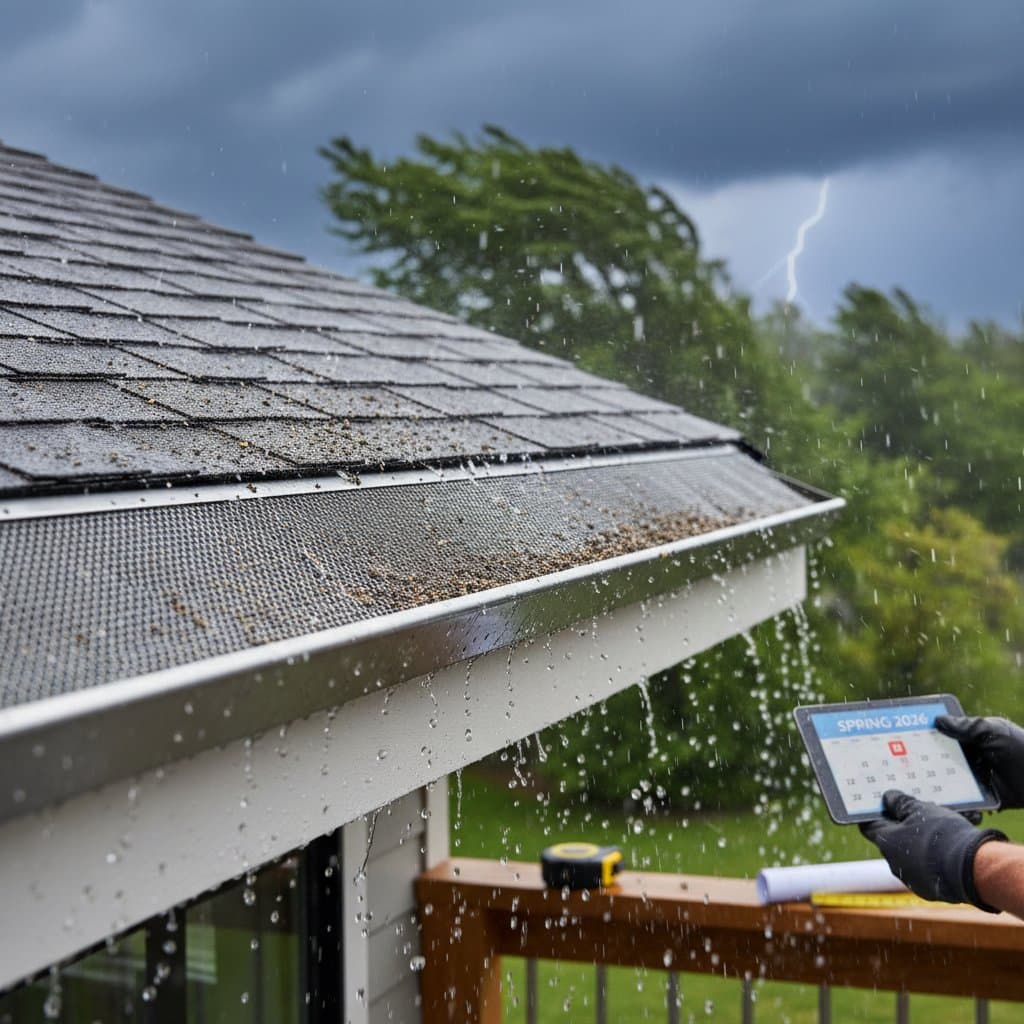
Why Only Certain Gutter Guards Perform in Spring 2026
Home renovation expenses continue to climb nationwide, and gutter systems face similar pressures. Tariffs on aluminum and steel elevate material prices, while shifting weather patterns amplify debris accumulation. Homeowners increasingly realize that standard gutter guards struggle against spring's intense conditions. A personal experience with a so-called premium system that clogged during a single storm highlighted this gap between promises and performance.
Spring introduces unique threats like pollen, seed pods, and intense rainfall that test gutter protection limits. Investing in a guard system requires selecting one that filters fine particles, directs water effectively, and accommodates fluctuating costs without exceeding budgets.
The Unique Challenges Spring Poses to Gutter Guards
Spring stresses gutters through tree pollen, flower blooms, and minuscule seed pods, which differ markedly from larger autumn leaves. These fine elements penetrate mesh screens and micro-slotted designs, accumulating in underlying channels. Sudden heavy rains then trigger overflows and potential fascia board erosion.
Initial installation of mesh guards on a home suggested an end to frequent ladder climbs. However, after one season, persistent yellow pollen residue adhered to the mesh, impeding water flow despite surface cleanliness. This revealed that many highly rated guards falter when fine debris meets elevated spring humidity.
Cost Analysis in the Current Market
| Material Type | Average Cost per Linear Foot | Pros | Cons |
|---|---|---|---|
| Plastic or Vinyl | $1.50 - $2.75 | Affordable, easy to handle | Prone to UV degradation, susceptible to clogs |
| Aluminum | $3.00 - $5.50 | Corrosion resistant, decent durability | Vulnerable to dents, impacted by tariff increases |
| Stainless Steel Mesh | $5.50 - $8.00 | Effective against fine debris, extended service life | Elevated price, demands expert installation |
| Reverse Curve (Surface Tension) | $6.00 - $9.00 | Superior water channeling, reduced clogging | Prominent appearance, challenging maintenance |
| Foam Inserts | $2.00 - $3.50 | Simple self-installation, low expense | Limited longevity, potential for mold development |
These figures account for ongoing supply chain disruptions. Installation fees vary by location, particularly where skilled labor is scarce, adding $1.50 to $3.00 per linear foot based on roof slope and gutter reach.
Framework for Deciding on DIY or Professional Installation
Gutter guard installation appears straightforward, yet it often demands more than a single weekend. Consider these factors to determine the best approach.
Opt for DIY When:
- The home features a single level with secure ladder positioning.
- Selected guards are foam or clip-on vinyl types.
- Familiarity exists with evaluating gutter alignment and downspout efficiency.
Choose Professional Help When:
- The structure spans multiple levels.
- Systems involve stainless steel or reverse curve designs needing exact alignment.
- A full manufacturer warranty is desired, frequently tied to certified installation.
An attempt at DIY on a garage resulted in uneven sections that led to spillover in the initial rainfall. Subsequent professional correction underscored the importance of accuracy over mere effort.
Obtain quotes from at least three local specialists to compare rates and suggestions.
Indicators of Failing Gutter Guards
For existing installations, conduct a thorough spring inspection. Identify these common issues:
- Water cascading over edges during precipitation, signaling underlying blockages or inadequate slope.
- Discoloration on fascia boards from backed-up moisture.
- Accumulation of pollen, seed pods, or moss on guard surfaces.
- Drooping gutter segments indicating loose attachments or prior freeze damage.
Prompt intervention prevents escalation. Unresolved overflows may erode fascia, harm exterior siding, and disrupt foundation drainage, leading to repairs in the thousands.
Essential Maintenance Practices for Spring
Premium guards still require seasonal care to maintain optimal function. Implement these steps:
- Clear downspouts using a garden hose at spring's onset to remove residual winter buildup.
- Examine joints and supports for corrosion or detachment; secure or substitute components promptly.
- Observe flow during mild showers to confirm unobstructed passage.
- Clean guard surfaces regularly to eliminate pollen layers.
- Prune overhanging limbs to minimize debris drop and limit moisture-trapping shade.
These routines require roughly one hour and significantly prolong system effectiveness.
Selecting and Implementing the Optimal Solution
Navigating the current market for gutter guards involves weighing expenses, reliability, and stock levels. Stainless steel mesh stands out for handling spring's fine debris, particularly with professional fitting. Aluminum suits milder areas, whereas foam or vinyl fits temporary or economical needs. Proper selection safeguards homes, averts costly water damage, and ensures long-term peace of mind.