FEMA’s 2026 Flood Vents: Safeguard Your Home Now
A contractor mentions new FEMA flood vent requirements, and questions arise immediately. Flood vents represent more than a minor detail; they determine whether a home experiences minimal disruption or extensive structural damage during flooding. With FEMA’s updated standards scheduled for 2026, homeowners benefit from addressing compliance early to secure both safety and financial protections.
Why FEMA’s Updated Flood Vent Standards Matter
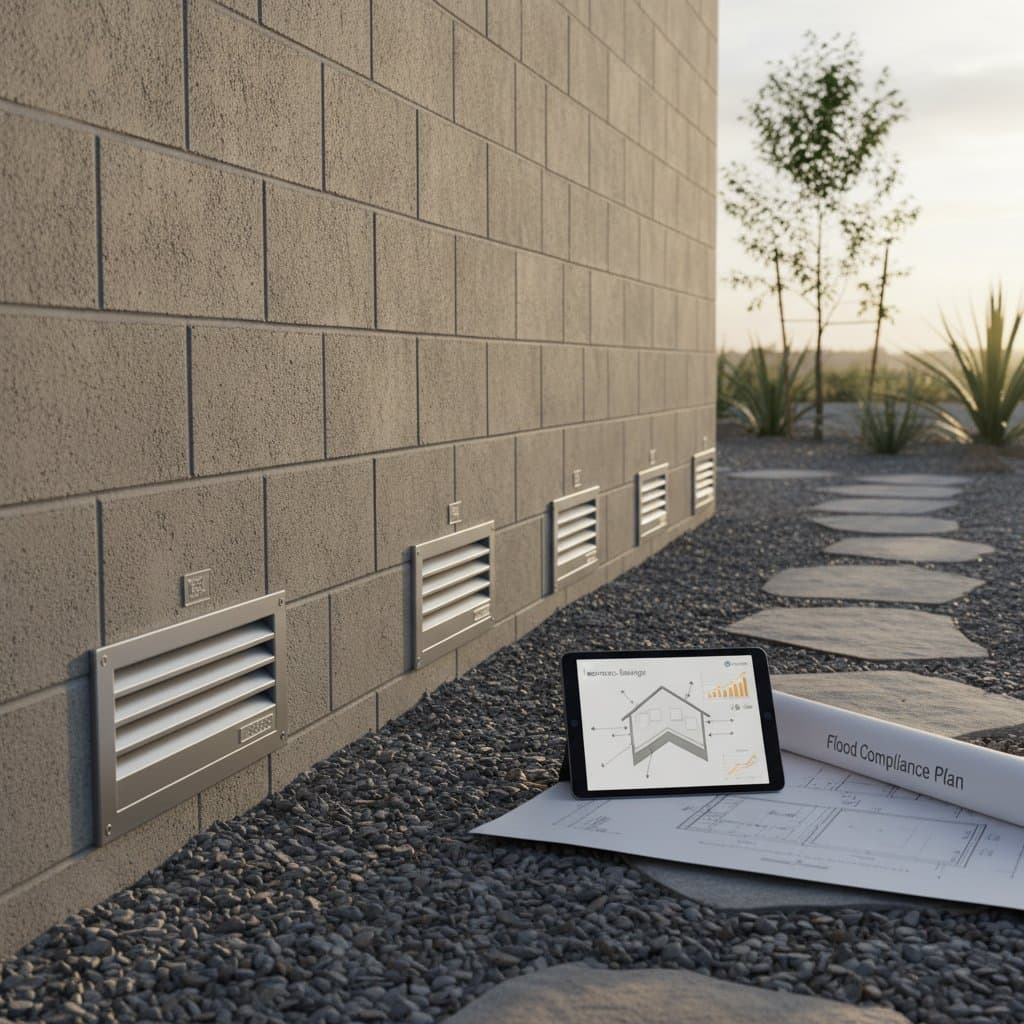
Flood vents function by equalizing hydrostatic pressure across foundation walls during flood events. Unequal pressure buildup leads to cracks, bowing, or outright failure of walls. The 2026 FEMA standards introduce stricter performance criteria, including enhanced testing for airflow rates, durability under submersion, and resistance to debris clogging. Only vents certified under these protocols qualify for flood insurance premium reductions, which can lower rates by up to 30 percent in eligible areas.
Homeowners in Special Flood Hazard Areas face direct implications for insurance eligibility and local code adherence. Outdated vents fail to meet the new benchmarks, potentially resulting in denied claims or required retrofits. Certified vents incorporate advanced features such as automatic activation mechanisms, UV-resistant polymers, and integrated screens to prevent insect intrusion while allowing water passage.
Smart Decision Framework: DIY or Hire a Pro
Home improvement tasks vary in complexity, and flood vent installation demands precision to achieve FEMA recognition. Errors in measurement or placement negate compliance benefits and may compromise foundation stability.
DIY Feasibility
Individuals with construction experience manage preliminary tasks effectively. These include removing accumulated debris from existing openings, accurately measuring required vent sizes based on enclosed area calculations, and applying basic sealants to adjacent surfaces. Essential tools encompass levels, tape measures, and safety gear, but advanced cutting equipment remains beyond typical DIY scope.
When to Hire a Professional
Engage a licensed contractor under these conditions:
- The property lies within a mapped floodplain requiring specific elevation data.
- Foundation modifications involve coring through reinforced concrete or masonry.
- Existing systems demand integration with modern electrical or mechanical flood controls.
- Documentation supports insurance audits or resale appraisals.
Professionals interpret zoning-specific requirements, such as minimum vent elevations above base flood levels, ensuring optimal positioning for maximum pressure relief.
Safety and Code Considerations
Installation extends beyond water management to preserve overall foundation strength. Unauthorized alterations to structural elements invite hazards like uneven load distribution or water infiltration pathways.
Key safety protocols include:
- Verification of FEMA compliance and ICC-ES certification for each vent model.
- Provision of at least 1 square foot of net vent area per 200 square feet of enclosed foundation space.
- Clearance from obstructive materials, including foam insulation, sediment buildup, or encroaching vegetation.
Permits from local authorities prevent future compliance disputes. Building officials often mandate engineering reviews for homes in high-risk zones, confirming that installations align with the International Building Code and FEMA Technical Bulletins.
Preparing for the 2026 FEMA Requirements
Although implementation begins in 2026, forward-thinking preparation yields advantages in cost and availability. Manufacturers list certified products on dedicated websites, detailing specifications like maximum water velocity ratings and operational temperatures.
Follow these preparation steps:
- Conduct a thorough inspection. Examine vents for signs of deterioration, such as pitting corrosion or faded certification labels.
- Evaluate insurance coverage. Consult an agent to determine how upgraded vents influence premium adjustments or elevation certificates.
- Solicit competitive bids. Assess quotes for total expenses, including labor at $150 to $300 per vent, materials ranging from $100 to $250 each, and any permitting fees.
- Book services promptly. Anticipate increased demand as deadlines approach, with wait times potentially extending to several months.
- Document all aspects. Retain photographs of installations, receipts, and certification documents for ongoing verification.
Compliance costs typically range from $1,000 to $5,000 for a standard single-story home, depending on foundation type and vent quantity. Early action mitigates these expenses through available rebates from some insurers or community flood mitigation programs.
Ensuring Long-Term Flood Vent Performance
Post-installation maintenance sustains vent effectiveness with minimal effort. Perform biannual assessments to confirm mechanical components operate without binding and pathways remain unobstructed by roots or animal nests. Clean surfaces using a gentle detergent solution and a soft brush, then rinse thoroughly to remove residues.
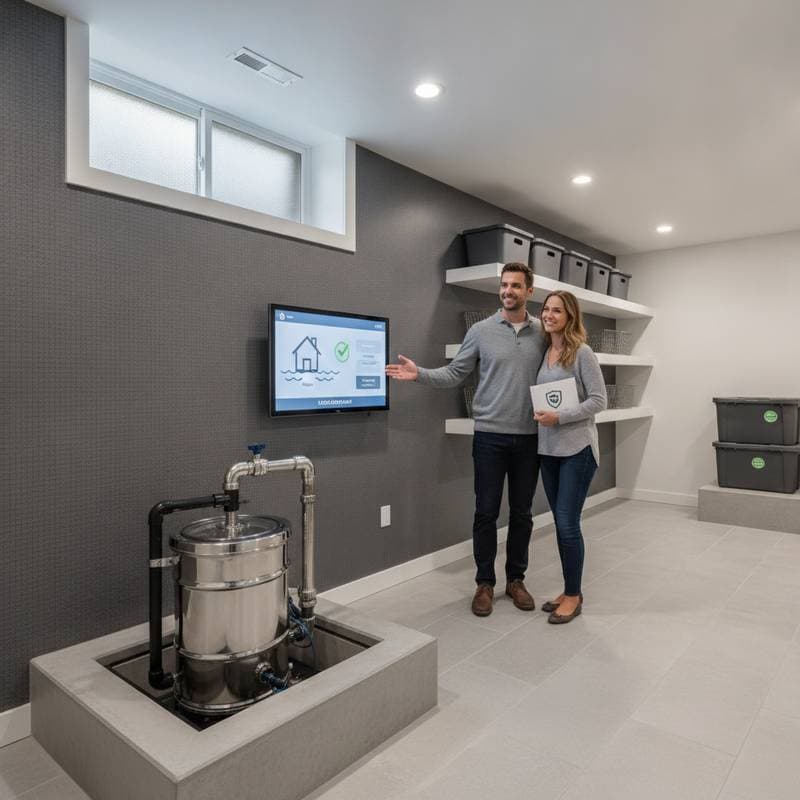
Address emerging issues swiftly; for instance, replace units showing hairline fractures or material degradation to avoid system-wide failures. Integrate vents into a comprehensive strategy that incorporates elevated utilities, flood barriers, and automated drainage solutions for basements or crawl spaces. This holistic approach not only satisfies FEMA guidelines but also enhances property resilience against escalating flood risks, securing both structural integrity and economic stability for the long term.