Selecting an inappropriate flood protection strategy for properties in coastal or riverine areas often results in repair expenses that double and compromises structural stability following a moderate flood event. The forthcoming FEMA floodplain management revisions will fundamentally alter approaches to wet proofing, flood venting, and construction below base flood elevation. These updates extend beyond mere regulatory tweaks; they introduce a performance-oriented framework that accounts for actual hydrodynamic pressures and contemporary building materials.
Grasping the implications of these regulations on construction and retrofit choices proves vital for individuals residing in or developing properties within flood-vulnerable regions. This resource delineates the primary technical modifications, performance objectives, and adherence tactics essential for advancing flood-resistant building practices.
Technical Overview: Transitioning to Performance-Based Standards
FEMA's traditional floodproofing guidelines emphasized prescriptive measures, such as allocating one square inch of vent area per square foot of enclosed area for sizing and positioning. The updated framework prioritizes verifiable performance results. Vents now require proof of hydrostatic pressure equalization during flood conditions within a specified duration, rather than adherence to rigid dimensions.
This evolution parallels the progression in energy codes from basic R-value specifications to comprehensive envelope performance evaluations. Verification for flood systems will involve lab simulations and computational models assessing water dynamics, debris tolerance, and pressure balancing.
Wet floodproofing, which permits water ingress into enclosed spaces while safeguarding structural elements and utilities, undergoes enhanced technical evaluation. Materials selected must exhibit durability against extended submersion, and electrical installations in these zones demand superior protection classifications.
System Types: Detailed Examination
Non-Engineered Flood Vents
These consist of basic apertures or screened vents embedded in foundation walls. Effectiveness hinges on aggregate open area and elevation of placement. The revised regulations continue to authorize their use, confined to low-hazard enclosures with negligible hydrodynamic stresses.
Key Specifications:
- At least one square inch of net open area per square foot of enclosed volume
- Capability for bidirectional water flow
- Positioning below the base flood elevation
Optimal Applications: Detached garages, crawl spaces, or utility-free storage zones.
Engineered Flood Vents
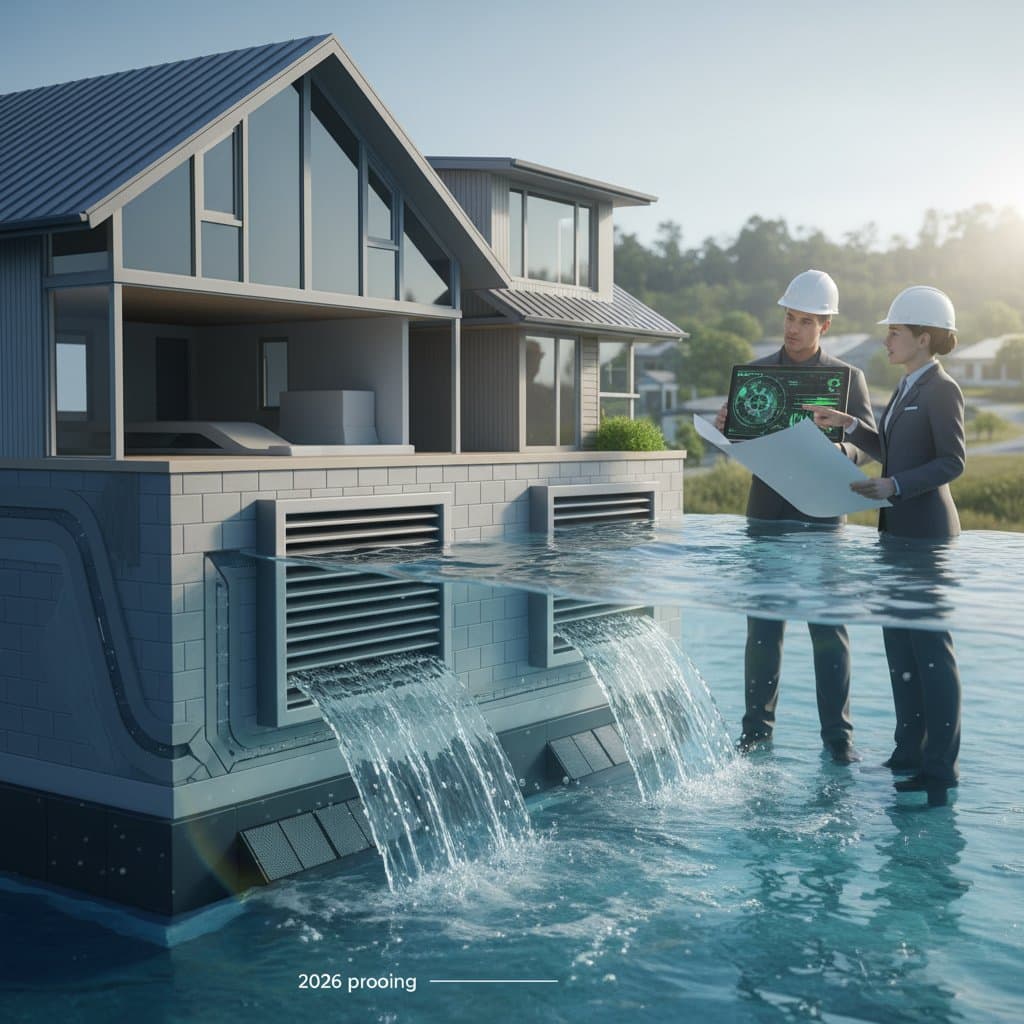
These mechanisms activate automatically with rising water levels and seal upon drying. Certification derives from demonstrated pressure equalization efficiency, surpassing mere area calculations.
Key Specifications:
- Third-party validation of equalization achievement within a set timeframe
- Fabrication from durable, corrosion-resistant substances like marine-grade stainless steel or PVC
- Resilience to debris forces reaching 50 pounds per square inch
Optimal Applications: Enclosed crawl spaces or basements in coastal and riverine zones susceptible to hydrostatic differentials surpassing several hundred pounds per square foot.
Wet Floodproofing Systems
Such systems deliberately accommodate water entry into enclosures, prioritizing the shielding of vital infrastructure and surfaces. Suitable materials include concrete blocks, closed-cell foam insulation, and pressure-treated wood, all chosen for their flood damage resistance.
Key Specifications:
- Elevation or sealing of all mechanical and electrical elements
- Interior surfaces achieving FEMA flood damage resistance Class 4 or above
- Inclusion of backflow prevention in drains and sump pumps
Optimal Applications: Basements in commercial or residential settings where dry floodproofing proves unfeasible, yet protection for structures and systems remains attainable.
Cost-Benefit Evaluation: Initial Investments and Enduring Returns
Implementing flood-resilient features entails elevated upfront expenditures, yet comprehensive lifecycle assessments reveal substantial returns via minimized damage and lowered insurance rates.
| System Type | Average Installation Cost | Expected Lifespan | Annual Maintenance Cost | Flood Damage Mitigation Potential |
|---|---|---|---|---|
| Non-Engineered Vents | Low | 20 years | Minimal | 40% |
| Engineered Vents | Moderate | 35 years | Low | 70% |
| Full Wet-Proofing System | High | 40 years | Moderate | 90% |
Compliance with certified flood vents and wet-proofing qualifies properties for discounts under FEMA's National Flood Insurance Program. In regions prone to recurrent flooding, these reductions frequently offset initial outlays over the structure's service life.
Expert Guidance: Engaging Professionals for Optimal Results
Projects entailing structural alterations, utility elevations, or engineered venting necessitate oversight from licensed structural or civil engineers. Mechanical engineers provide additional expertise in evaluating pressure dynamics for expansive or multifaceted enclosures.
Building performance analysts assist in aligning flood resilience with energy objectives. For instance, integrating insulated vents with airtight crawl spaces preserves thermal efficiency while satisfying venting mandates.
Enhancing Energy Performance Through Floodproofing
Flood protection measures can complement energy conservation efforts. Strategic vent placement in crawl spaces promotes natural airflow, curbing humidity and preventing mold proliferation.
Basements designed for wet proofing benefit from closed-cell foam insulation, which retains insulating value post-immersion and repels moisture. Various states and utility providers extend incentives for resilient upgrades that concurrently boost energy efficiency, enabling eligibility for dual-purpose retrofit programs.
Strategies for Adapting to Evolving Flood Risks
Projections from hydrologic analyses indicate increased occurrences of intense rainfall across numerous locales. Systems meeting only baseline codes risk obsolescence over a building's duration.
To enhance longevity, consider these measures:
- Opting for vents with superior flow capacities beyond current minima
- Positioning utilities above base flood elevation with added freeboard margins
- Employing modular panels that facilitate vent modifications or upgrades
- Integrating monitoring sensors for early detection of water rise or vent obstructions
These approaches mitigate escalating hazards and ensure alignment with prospective regulatory advancements.
Implementing Compliance: A Step-by-Step Roadmap
Achieving adherence to FEMA's updated flood standards requires a structured approach:
-
Evaluate Current Setup: Catalog existing vent dimensions, positions, and compositions. Pinpoint subgrade utilities or surfaces vulnerable to inundation.
-
Involve Specialists: Collaborate with structural engineers and accredited floodplain managers from the outset of planning.
-
Choose Verified Components: Select engineered vents backed by performance test results and flow certifications.
-
Align with Authorities: Secure current floodplain mappings and confirm elevation requirements prior to commencing work.
-
Merge Protections with Upgrades: Pair flood defenses with enhancements in insulation, airflow, and dampness management for comprehensive benefits.
By following this pathway, property owners secure durable resilience, curtail future liabilities, and capitalize on incentives that amplify property value and safety.