Understanding Sump Pumps and Flood Risks
Sump pumps serve as essential defenses against water intrusion in basements. These devices collect groundwater that seeps through foundations and expel it away from the home via discharge pipes. Traditional models activate only when water levels rise to a certain point, which can lead to overflows during heavy storms if power fails or the pump clogs.
Homeowners face significant risks from unchecked flooding. Water damage often results in structural weakening, mold growth, and repair costs that exceed thousands of dollars. In regions prone to heavy rainfall or high water tables, such incidents occur frequently, underscoring the need for reliable protection.
The Evolution to Smart Sump Pumps in 2026
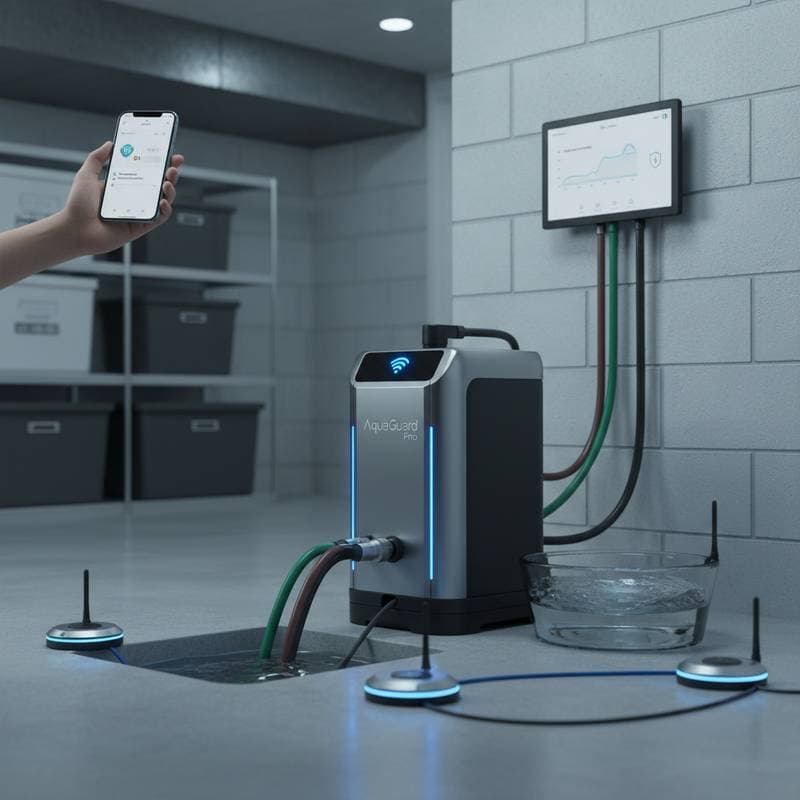
By 2026, sump pump technology has advanced beyond basic mechanical operation. Smart sump pumps incorporate Internet of Things (IoT) capabilities, allowing seamless integration with home networks. Manufacturers now embed high-sensitivity sensors that detect water levels, humidity, and even vibration from potential clogs in real time.
These systems connect via Wi-Fi to smartphone apps or smart home hubs like Google Home or Amazon Alexa. Users receive instant notifications about rising water, battery backups activating, or maintenance needs. This remote oversight ensures prompt intervention, minimizing damage risks.
Automation represents a key upgrade. Advanced models feature self-diagnostic tools that alert owners to issues before failures occur. Some units pair with secondary pumps or alarms that sound locally if connectivity falters, providing layered security.
How Smart Sump Pumps Operate
The core mechanism of a smart sump pump mirrors its traditional counterpart but with enhanced intelligence. A float switch or electronic sensor inside the sump pit triggers the pump when water accumulates. The motor then forces water through a check valve and out the discharge line, typically to a storm drain or yard area.
What sets smart versions apart is their data processing. Embedded microcontrollers analyze sensor inputs continuously. For instance, if water levels rise unusually fast, the system may activate a backup pump automatically or send an urgent alert with details like estimated flood volume.
Integration with weather APIs allows predictive functionality. Some 2026 models forecast heavy rain based on local data and pre-emptively adjust operations, such as increasing monitoring frequency. This proactive approach prevents surprises during severe weather events.
Key Components of a Smart System
- Sensors: Ultrasonic or capacitive types measure water depth accurately without mechanical parts that wear out.
- Connectivity Module: Wi-Fi or cellular options ensure reliable communication, even in low-signal basements.
- Power Management: Built-in battery backups and surge protectors maintain operation during outages.
- App Interface: Customizable dashboards display system status, historical data, and troubleshooting guides.
Benefits of Installing Smart Sump Pumps
Homeowners gain peace of mind from round-the-clock monitoring. Alerts arrive via push notifications, emails, or texts, enabling quick responses from anywhere. This feature proves invaluable for families who travel frequently or live in areas with unpredictable weather.
Financial savings accumulate over time. Preventing a single flood can avoid costs ranging from $2,000 for minor water removal to over $10,000 for extensive mold remediation and foundation repairs. Insurance premiums may decrease with documented smart system installations, as they reduce claim likelihood.
Environmental advantages also emerge. Efficient pumps use less energy by running only when necessary, and some models incorporate eco-friendly materials. Reduced water waste from overflows supports sustainable home management.
Health protections stand out as well. By halting moisture buildup, these systems curb mold and mildew proliferation, which can trigger allergies or respiratory issues. Clean, dry basements foster safer living spaces for children and pets.
Costs and Investment Considerations
Pricing for 2026 smart sump pumps varies by features and brand. Basic models with Wi-Fi alerts start at $300, while premium units with automation and cellular backup reach $800. Installation adds $500 to $1,500, depending on basement access and electrical needs.
Ongoing expenses remain minimal. Most systems require annual battery replacements costing under $50, and apps provide reminders for filter cleaning. Energy consumption averages 50 watts per hour of operation, translating to low utility bills.
Return on investment materializes quickly. Experts estimate that smart systems pay for themselves within two to three years through averted damages. For high-risk homes, this upgrade becomes a prudent financial decision.
Steps to Upgrade Your Sump Pump System
Assess your current setup first. Inspect the existing pump for age, performance history, and compatibility with smart additions. If the unit exceeds five years old or lacks redundancy, replacement warrants consideration.
- Research reputable brands such as Zoeller, Liberty Pumps, or Ridgid, focusing on 2026 models with strong user reviews and warranties up to five years.
- Consult a licensed plumber for a site evaluation, ensuring proper sump pit sizing and discharge planning to comply with local codes.
- Select features aligned with needs, like battery integration for outage-prone areas or app compatibility for tech-savvy households.
- Schedule professional installation to integrate wiring, test connectivity, and calibrate sensors accurately.
- Set up the app post-installation, customizing alerts and linking to other smart devices for comprehensive home protection.
Maintenance follows a simple routine. Test the system monthly by pouring water into the sump pit and verifying activation. Clean the pit annually to remove debris, and update app firmware as prompted by manufacturers.
Safeguarding Your Home's Future
Investing in a 2026 smart sump pump elevates home resilience against water threats. These systems transform reactive repairs into preventive strategies, preserving property value and family well-being. As climate patterns shift toward more intense storms, such technology ensures basements remain dry and functional havens.
Homeowners who adopt these innovations report fewer worries and stronger foundations, both literal and figurative. The combination of reliability and intelligence positions smart sump pumps as indispensable for modern living.