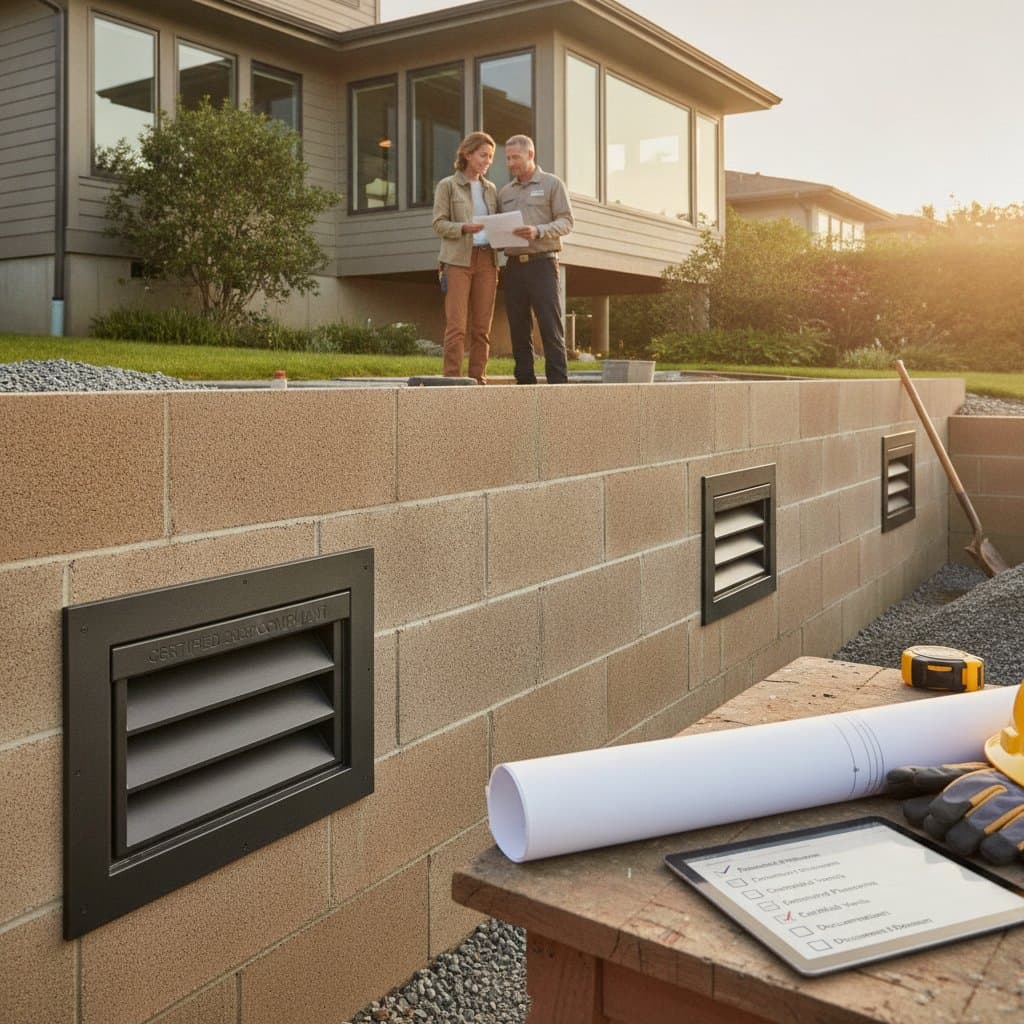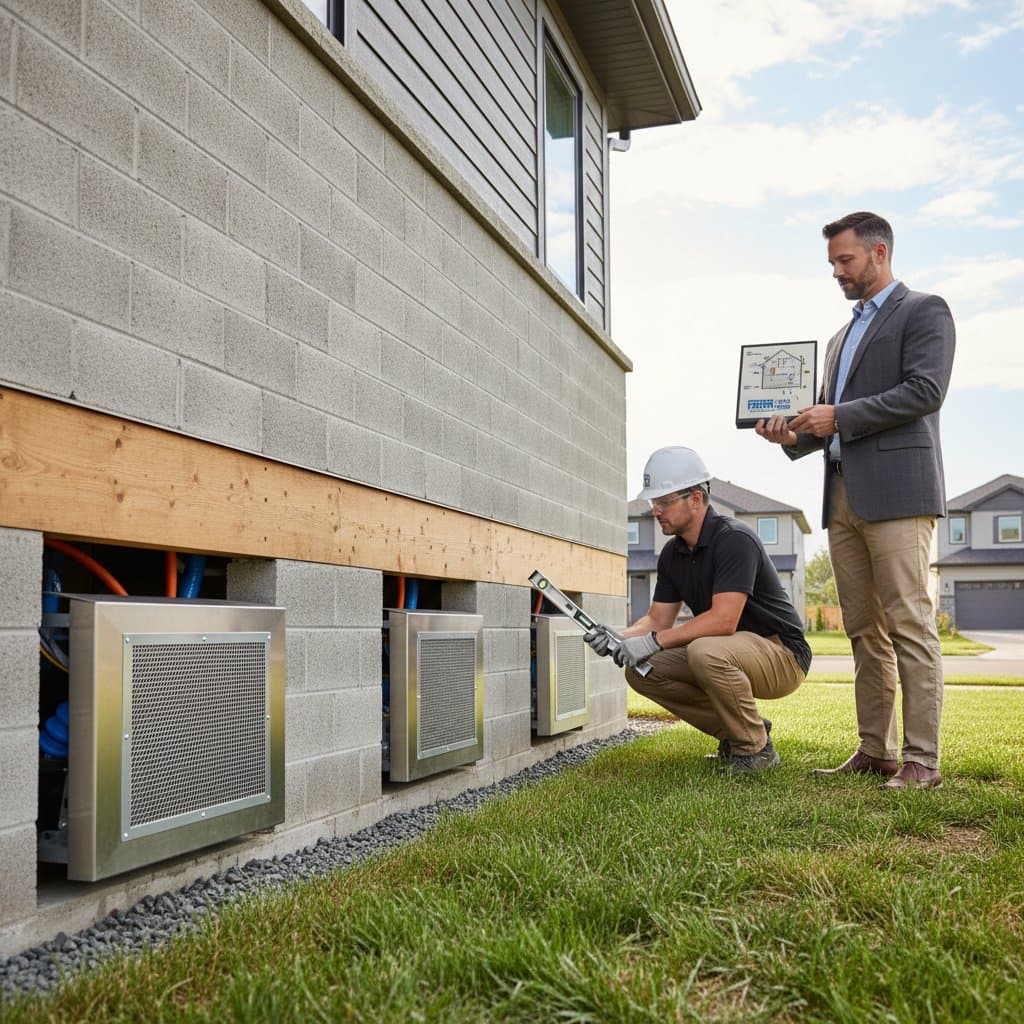
FEMA's 2026 Flood Vent Standards for Enhanced Home Protection
Home renovation projects in flood-prone regions will soon incorporate stricter guidelines due to FEMA's forthcoming updates on flood vents. These changes establish new benchmarks for compliance among properties located in floodplains or those with basements susceptible to water accumulation. Property owners benefit from early awareness, as these regulations influence both safety measures and insurance obligations.
Flood vents play a critical role in mitigating water damage by allowing hydrostatic pressure to equalize during inundation events. The updates emphasize certified systems that operate reliably without intervention. Homeowners gain significant advantages by preparing ahead, including potential reductions in repair expenses and streamlined recovery processes after storms.
Reasons Behind FEMA's Flood Vent Standard Updates
FEMA aims to bolster flood-proofing practices through enhanced design and verification protocols. The primary goals include minimizing structural failures, safeguarding contents within homes, and increasing overall durability against escalating flood frequencies driven by climate patterns.
Current vents often inadequately manage pressure buildup, leading to foundation stress and wall breaches. The revised standards mandate vents that activate automatically and facilitate unrestricted water passage. This approach ensures that properties withstand flood forces more effectively.
Insurance providers anticipate adjustments based on adherence to these criteria. Non-compliant systems may result in elevated premiums or coverage limitations. Proactive alignment with the updates positions homeowners for favorable policy terms.
Key Elements of the 2026 FEMA Flood Vent Compliance Requirements
The 2026 updates outline specific technical specifications to standardize flood venting across affected properties. These provisions address operational reliability, performance metrics, and installation accuracy. Property owners should consult elevation certificates and zone designations to evaluate existing setups.
Automatic Operation Standards
Vents require full automation to open upon water contact and seal afterward without any manual effort. Systems with mechanical aids or operator dependence fall short of the criteria. This feature guarantees functionality during sudden flood onset, preserving structural integrity.
Verified Equalization Performance
Each vent undergoes testing to confirm a minimum flow rate that balances pressure promptly. Documentation must verify equalization occurs within designated time limits relative to water levels. Such validation prevents pressure-induced cracks in foundations and walls.
Precise Placement Guidelines
Install the lower edge of vents below the base flood elevation while positioning above ground level for routine ventilation. Spacing follows square footage calculations, typically one vent per 200 square feet of enclosed area. Adjustments align with site-specific flood maps to optimize effectiveness.
Approved Material Specifications
Select vents constructed from corrosion-resistant options such as stainless steel, marine-grade aluminum, or durable composites. Traditional galvanized steel often lacks the necessary longevity in moist environments. Certification confirms material suitability for prolonged exposure to flood conditions.
Third-Party Certification Mandates
Manufacturers submit models for independent evaluation against FEMA benchmarks. Certificates detail compliance with flow, durability, and operational tests. Homeowners verify these documents prior to purchase to ensure regulatory acceptance.
Review current installations against these elements. If discrepancies exist, professional assessments identify necessary modifications. Updated flood maps may necessitate additional vents or relocations.
Optimal Timing for Flood Vent Upgrades
Schedule installations during milder seasons like spring or fall, when soil conditions facilitate access to exterior walls. Contractors experience lower demand, which supports cost efficiency and material availability. Steer clear of summer or winter peaks, as weather disruptions complicate work.
Monitor local flood mapping revisions before proceeding. Finalized elevations prevent misalignment and subsequent rework. Early action aligns upgrades with insurance renewal cycles for immediate premium benefits.
Financial and Protective Returns on Compliant Flood Vents
Investing in FEMA-compliant vents yields measurable advantages in cost recovery and risk reduction. Initial expenses cover materials and labor, yet long-term gains offset these through multiple channels.
Insurance discounts range from 10 to 20 percent for verified systems, varying by flood zone severity. Enhanced venting averts costly foundation repairs, which average thousands per incident. Resale markets favor compliant properties, potentially increasing value by 5,000 to 10,000 dollars.
Durable materials endure for 20 years or longer with routine inspections. This lifespan minimizes replacement needs and maintenance efforts. Overall, return on investment materializes within five to seven years via savings and damage prevention.
Steps to Implement Flood Vent Compliance
Begin with a professional flood risk assessment to confirm zone status and elevation data. Select certified vents that match property dimensions and local codes. Engage licensed contractors experienced in flood-proofing installations.
Document all upgrades with photographs, certificates, and receipts for insurance purposes. Integrate vents into broader resilience strategies, such as elevating utilities or sealing entry points. Regular maintenance ensures ongoing performance and compliance.
These measures not only meet regulatory demands but also fortify homes against future threats. Homeowners achieve peace of mind through proactive protection and financial prudence.