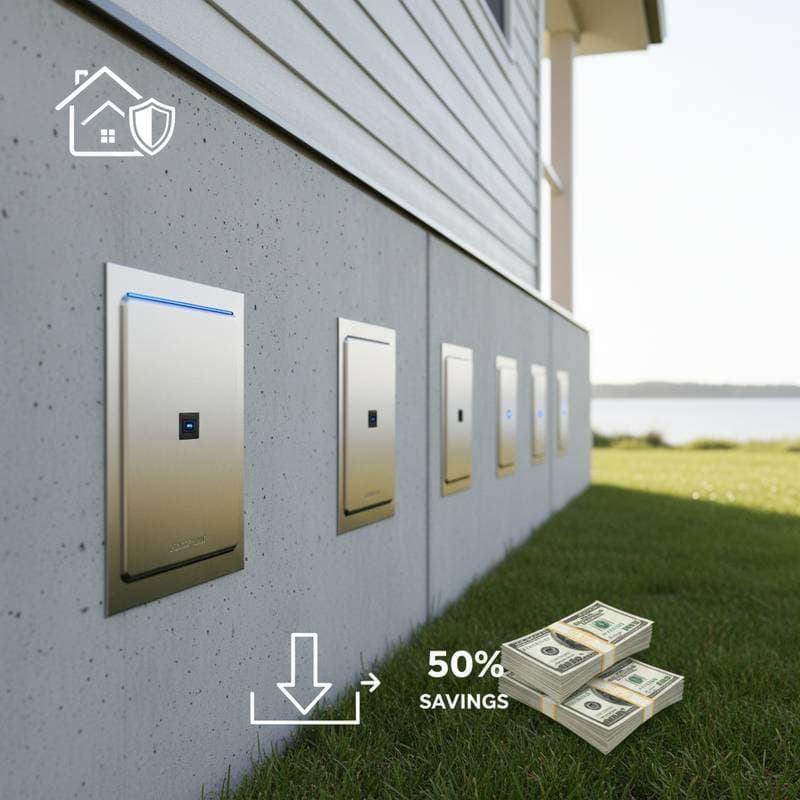
Understanding FEMA Flood Vent Compliance for Insurance Savings
Homeowners in flood-prone areas often face high insurance premiums, but installing compliant flood vents presents a straightforward way to lower those costs significantly. FEMA's upcoming 2026 updates to vent compliance standards will refine how foundation openings are assessed, emphasizing certified designs that allow floodwaters to flow through enclosures without causing structural damage. These changes highlight the importance of upgrading to vents that meet Technical Bulletin 1 requirements, potentially reducing premiums by as much as 50 percent.
Selecting the appropriate flood vent system involves evaluating your home's foundation type and local flood risks. Compliant vents not only qualify for insurance discounts but also protect against water damage during events like storm surges or river overflows. Homeowners who act now can align their properties with these evolving standards and secure immediate financial relief.
Flood Vent Systems: Key Specifications
Flood vents serve as engineered openings in foundation walls or enclosures, designed to equalize hydrostatic pressure during flooding. These systems automatically activate when water levels rise, permitting inflow and outflow to prevent wall failure.
Core Specifications:
- Technology Type: Automated flood vents for enclosed crawl spaces and basements
- Compliance Standards: FEMA Technical Bulletin 1 and ICC-ES certification
- Suitable Zones: Coastal surge areas and inland riverine floodplains, corresponding to DOE Climate Zones 2 through 5
- Net Open Area: Typically 200 to 300 square inches per vent unit
- Durability: 25 to 30 years, contingent on material quality and upkeep
- Installation Level: Moderate, requiring alignment with foundation height and local codes
These vents integrate seamlessly with existing structures, offering a balance of performance and ease of retrofit. Certified models undergo rigorous testing to ensure reliability under varied flood scenarios.
Analyzing Regional Flood Vent Effectiveness
The effectiveness of flood vents varies by location, influenced by water velocity, debris load, and environmental factors. In coastal zones, vents face rapid inundation from saltwater, necessitating materials like galvanized steel or corrosion-resistant polymers to endure exposure.
Inland regions, characterized by gradual flooding with high sediment content, benefit from vents featuring mesh screens or self-cleaning mechanisms to avoid blockages. Across DOE Climate Zones 2 through 5, where temperature swings and moisture levels fluctuate, vents must resist freezing and maintain operational integrity throughout seasons.
Tailoring vent selection to these regional dynamics ensures optimal floodwater management and sustained compliance. This approach not only meets FEMA criteria but also minimizes long-term maintenance demands.
Comparative Overview of Flood Vent Options
| Vent Type | Compliance Rating | Maintenance Requirements | Price Range (per Unit) | Potential Premium Savings |
|---|---|---|---|---|
| Basic Non-Engineered | Basic | Moderate | $50 - $100 | Up to 10% |
| Engineered | Full | Minimal | $150 - $250 | 25% - 50% |
| Smart Automated | Full | Minimal | $250 - $400 | 30% - 50% |
Engineered and smart vents deliver superior results in certification and cost reduction, justifying their investment through premium discounts and reduced flood damage risks. Basic options may suffice for low-risk sites but fall short in stringent evaluations.
Evaluating Costs and Returns on Flood Vent Upgrades
FEMA-compliant vents represent a high-return investment in flood mitigation, with initial expenses quickly recouped via insurance reductions. Engineered units, though pricier than standard alternatives, unlock substantial discounts from the National Flood Insurance Program and private carriers.
Consider a typical installation for a residential foundation: four vents at an average of $200 each total $800, plus $200 for labor, yielding a $1,000 outlay. With annual premium savings averaging $250, the upgrade pays for itself in four years. Over a decade, net savings reach $1,500, excluding avoided repair expenses from flood events.
Non-compliance carries hidden costs, such as premium surcharges or denied claims, underscoring the value of certified installations. These upgrades also enhance property resale appeal in flood-vulnerable markets.
Maintenance and Energy Efficiency in Flood Vents
Engineered flood vents incorporate features like insulated flaps and weatherproof seals to limit air infiltration in habitable spaces. This design supports energy efficiency by reducing drafts in conditioned areas, aligning with broader home performance goals.
Maintenance protocols focus on periodic checks to ensure functionality. Clear accumulated debris from screens, test mechanical components for smooth operation, and confirm clear pathways for water flow. In high-humidity environments, select vents with moisture-resistant coatings to deter mold growth.
Opt for durable alloys such as stainless steel in corrosive settings to prolong lifespan and preserve aesthetics. Integrate these inspections into yearly home routines, particularly following heavy rains or floods, to uphold compliance and performance.
Steps to Implement Compliant Flood Vents
Begin the upgrade process with a thorough evaluation of your property's flood vulnerability. Review elevation certificates to confirm enclosure elevations relative to base flood levels, then assess current vents for size, operability, and certification.
Implementation Guide:
- Review Documentation: Obtain or update your elevation certificate to align with floodplain ordinances.
- Evaluate Current Setup: Check vents for automatic function, unobstructed access, and adequate net area based on enclosure perimeter.
- Choose Approved Vents: Prioritize products labeled for FEMA Technical Bulletin 1 and ICC-ES compliance.
- Engage Experts: Consult licensed contractors experienced in flood-resistant construction and local regulations.
- Document Changes: Provide insurers with installation proofs, including photos and certificates, to apply discounts.
Floodplain specialists can calculate precise vent quantities, ensuring coverage matches your home's design flood elevation. Local authorities often provide resources on vetted suppliers and installers to streamline the process.
Securing Long-Term Protection and Savings
Adopting FEMA-compliant flood vents fortifies homes against rising flood threats while delivering tangible financial advantages. These systems reduce insurance burdens, safeguard structural integrity, and promote resilience in the face of intensifying weather patterns. Homeowners who prioritize compliance today position their properties for enduring value, blending cost efficiency with enhanced safety for generations ahead.