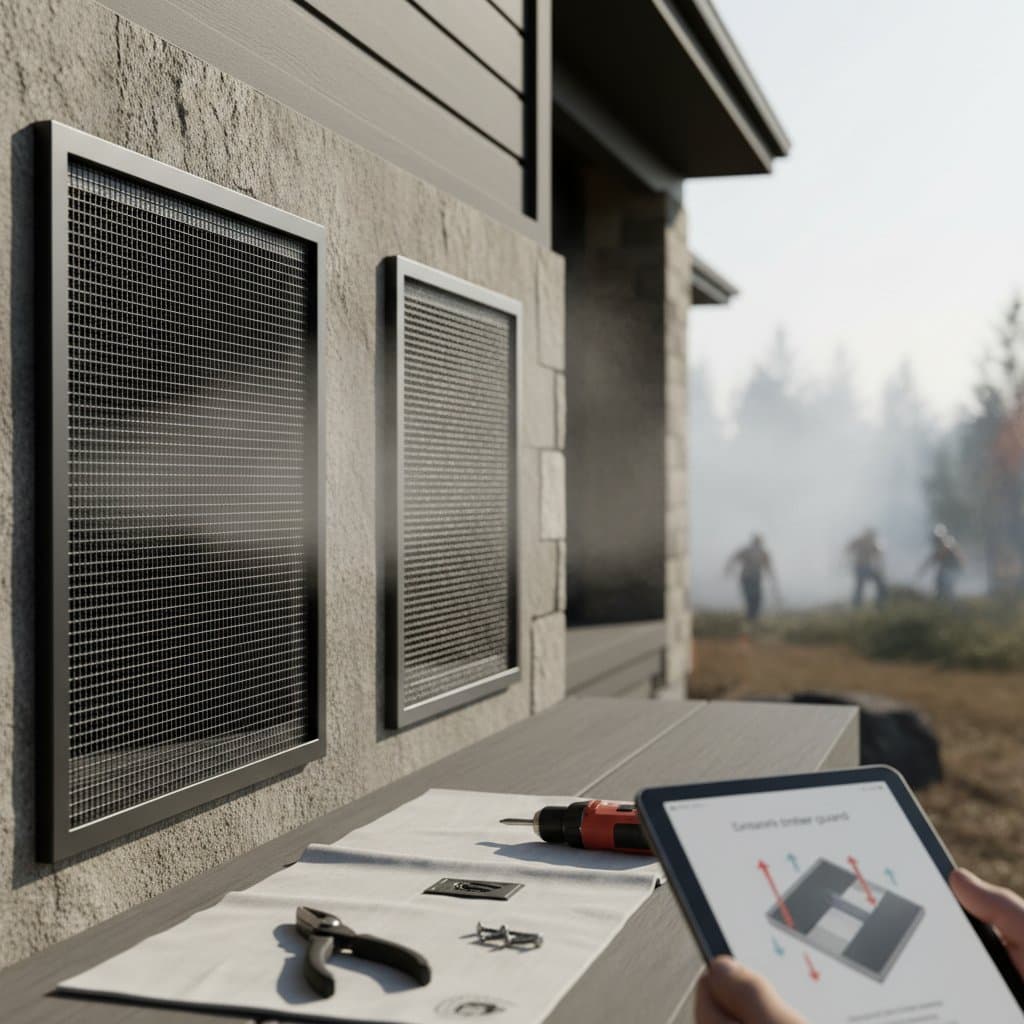
2026 Ember Guards: Essential Protection for Vents in Wildfire-Prone Areas
Homeowners in regions susceptible to wildfires face constant concerns about property safety. Wind-driven embers pose a significant threat, capable of infiltrating homes through overlooked openings like vents. Attic vents, foundation openings, and crawl spaces require proper airflow yet serve as potential entry points for these fiery particles. Ember guards, also known as vent screens, address this vulnerability by providing a robust barrier that maintains ventilation while blocking embers.
Standard vent screens frequently fail because their mesh openings prove too large to stop small, glowing embers. These particles, often smaller than a pencil eraser, easily pass through coarse factory-installed screens, igniting insulation or framing materials inside. In contrast, 2026 ember guards feature a finer mesh, typically 1/16-inch or smaller, constructed from stainless steel or galvanized materials resistant to corrosion and high temperatures.
Understanding Ember Guards and Their Role
Ember guards consist of fine metal mesh fitted over exterior vents to prevent ember intrusion without compromising air circulation. They target common ignition sites such as attics, soffits, and subfloor areas where embers can smolder undetected. By adhering to standards like those from the International Wildfire Code, these guards ensure compliance with building regulations in high-risk zones.
Homeowners often overlook the distinction between basic screens and specialized ember guards. Standard screens, with openings up to 1/4-inch, allow embers to enter during intense fire events. Ember guards, however, use precision-engineered mesh that withstands radiant heat up to 1,200 degrees Fahrenheit, offering reliable defense during ember storms.
Maintenance Practices for Optimal Performance
Installation represents just the initial step; ongoing maintenance sustains the effectiveness of ember guards. Property owners should integrate these tasks into their routine care schedule.
-
Conduct monthly inspections during peak fire season. Examine for accumulated debris, rust spots, or structural weaknesses. Debris obstructs airflow, while damage compromises the barrier against embers.
-
Clean screens using a soft brush or low-suction vacuum. Remove leaves, dust, and spiderwebs that accumulate and reduce efficiency. Perform this task on dry days to avoid moisture-related issues.
-
Tighten fittings and replace worn components. Check screws, clips, and seals for looseness caused by weather exposure. Prompt repairs prevent gaps that embers could exploit.
-
Apply fresh sealant or protective coating annually. This step shields against environmental degradation, particularly in coastal or humid climates where salt air accelerates corrosion.
Consistent upkeep not only preserves fire resistance but also supports the home's overall ventilation system, preventing issues like attic humidity buildup.
Identifying Vulnerabilities in Your Vent System
Vigilance helps detect risks before they escalate during a wildfire event. Property owners benefit from proactive assessments of their vent setups.
-
Large or absent mesh openings: Vents lacking fine screens expose interiors directly to airborne embers.
-
Corrosion indicators: Rust, bending, or discoloration signals reduced durability and the need for replacement.
-
Inadequate sealing: Gaps around edges or frames invite ember entry, even with intact screens.
-
Debris accumulation: Visible blockages in vents or adjacent areas heighten ignition potential.
Addressing these signs through upgrades fortifies the home's perimeter. A simple visual check, performed quarterly, can reveal issues requiring immediate attention.
Installation Options: DIY or Expert Assistance
Deciding between self-installation and professional services depends on the home's configuration and the owner's skill level. Both approaches yield effective results when executed properly.
DIY Approach:
Suitable for straightforward vents, this method involves measuring openings, selecting compatible guards, and securing them with screws or adhesive clips. Gather tools like a tape measure, drill, caulk gun, and safety gear including gloves and eyewear. Follow manufacturer instructions to ensure a tight fit, applying silicone sealant along edges for an ember-proof seal. This option suits standard rectangular or square vents and typically takes a few hours per section.
Professional Services:
Opt for experts when dealing with elevated soffits, irregular shapes, or integrated roofing systems. Certified installers assess the entire ventilation network, customizing guards to fit precisely and verifying airflow compliance. They also integrate ember guards into broader retrofits, such as upgrading attic vents or sealing eaves, providing comprehensive protection.
Cost-Effective Strategies for Ember Guard Adoption
Enhancing vent security need not strain budgets. Consider these tiered options based on needs and resources.
-
Entry-Level DIY Kits: Affordable pre-sized stainless steel guards, priced under $50 per unit, install quickly on common vent types. Ideal for basic upgrades in low-to-moderate risk areas.
-
Premium Material Selection: Invest in heavy-duty mesh with UV and heat-resistant coatings, around $75 to $150 per guard. These endure extreme conditions and require less frequent replacement.
-
Full Retrofit Packages: Contractors bundle ember guards with vent sealing and insulation enhancements for $500 to $2,000, depending on home size. This holistic approach maximizes long-term value and insurance discounts.
Prioritizing quality over cost minimizes future expenses from fire damage, which can exceed thousands in repairs.
Scenarios Requiring Professional Intervention
Certain situations demand specialized knowledge to ensure safety and efficacy.
-
Complex soffit or eave integrations: Custom cutting and fitting prevent airflow disruptions in intricate designs.
-
High-risk roofing materials: Tile or metal roofs with embedded vents benefit from expert alignment to avoid leaks.
-
Post-exposure damage: Heat-warped or smoke-affected vents require assessment for hidden weaknesses.
-
Comprehensive safety audits: Pair vent upgrades with evaluations of siding, decks, and landscaping for unified defense.
Professionals often provide warranties and documentation for insurance purposes, adding practical benefits.
Pitfalls to Steer Clear Of
Avoid these errors to maintain the integrity of your wildfire defenses.
-
Selecting non-metallic materials: Plastic meshes deform under heat, creating hazardous openings. Stick to metals rated for fire exposure.
-
Neglecting perimeter seals: Unsealed frames allow ember bypass; use fire-rated caulk for complete coverage.
-
Over-restricting ventilation: Mesh finer than recommended standards causes moisture traps. Balance protection with 80% minimum airflow retention.
-
Overlooking auxiliary entry points: Secure not only vents but also chimneys, gable ends, and subfloor gaps.
Learning from these common oversights ensures a more resilient setup.
Integrating Ember Guards into Broader Wildfire Strategies
Ember guards form one layer of a multi-faceted defense plan. Complement them with these practices for enhanced protection.
-
Manage defensible space: Trim vegetation to 5 feet from structures and remove dead plant material that fuels embers.
-
Maintain roof and gutter cleanliness: Clear debris quarterly to eliminate ignition sources during ember showers.
-
Position combustibles strategically: Keep firewood stacks and patio items at least 30 feet from the house.
-
Reinforce entry barriers: Inspect and replace weathered door sweeps and window seals annually.
This integrated approach reduces overall ember vulnerability, creating a fortified home environment.
Advancing Your Home's Fire Resilience
Each enhancement to your property's defenses contributes to greater security. Ember guards deliver tangible improvements, visible in their sturdy installation and proven performance. Homeowners gain assurance knowing they have mitigated a critical weakness.
Action Plan for Vent Protection
Begin with a thorough vent inventory: document sizes, conditions, and locations. Source materials from reputable suppliers meeting ASTM E2886 standards. Allocate time for installations or consultations, targeting completion before the next fire season. Engage local resources like fire safety workshops for region-specific insights. These steps transform potential vulnerabilities into strengths, safeguarding your home effectively.