Mushroom Insulation: A Sustainable Upgrade for Home Energy Efficiency by 2026
Rising energy costs challenge homeowners seeking both comfort and environmental responsibility. Traditional insulation options, such as fiberglass or foam, often rely on non-renewable resources and contribute to higher carbon emissions. Mushroom insulation emerges as a viable alternative, harnessing the natural properties of mycelium to deliver renewable, biodegradable panels that enhance energy efficiency and reduce long-term expenses.
This material grows from fungal roots in controlled environments, forming sturdy structures without synthetic chemicals. Homeowners benefit from a product that aligns with green building trends, potentially cutting heating and cooling demands significantly. As adoption grows, projections indicate widespread availability and cost reductions by 2026, making it an accessible choice for renovations.
The Science Behind Mushroom Insulation's Rise
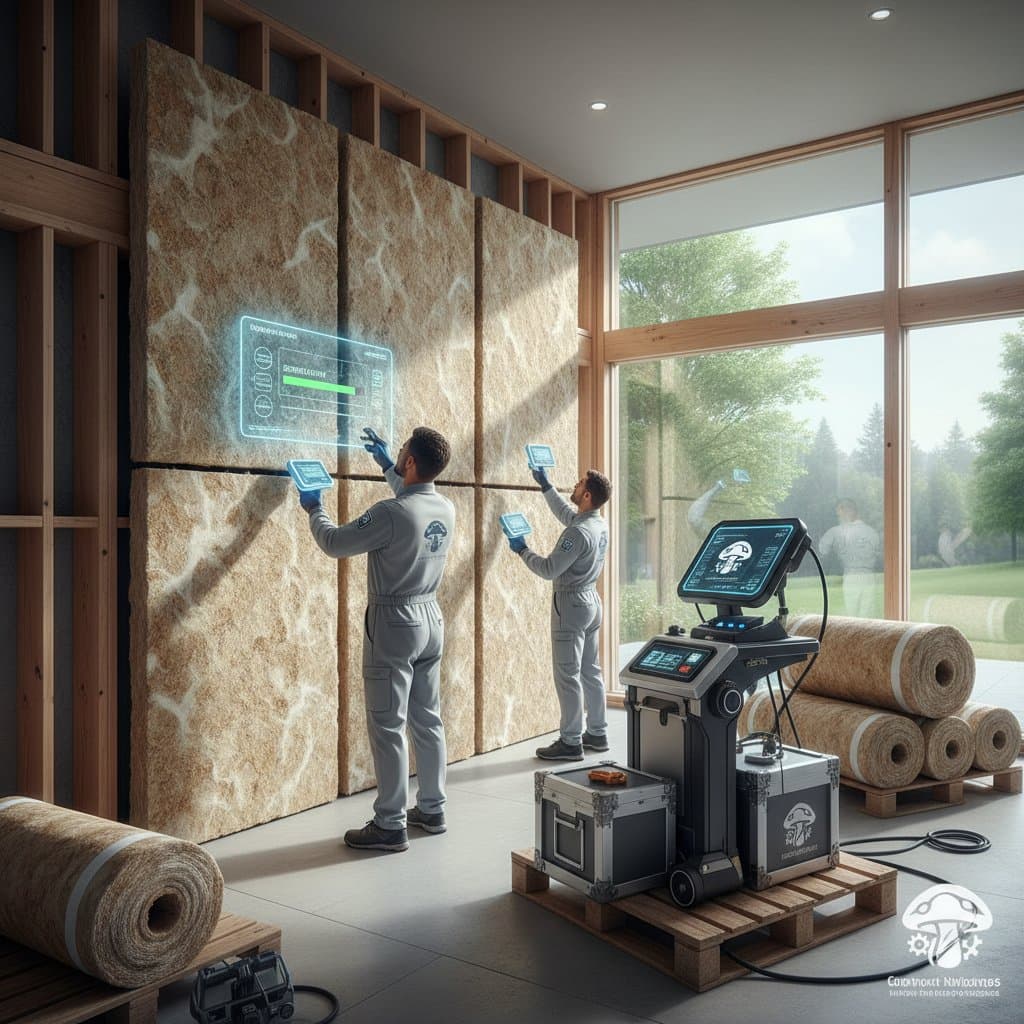
Mushroom insulation utilizes mycelium, the underground network of fungi, to create compact, resilient panels. These panels develop in biodegradable molds, requiring minimal energy input compared to manufacturing processes for conventional insulators. The result is a material free of volatile organic compounds, ensuring safer indoor environments for families.
Fire resistance stands out as a key advantage; the natural composition inhibits flame spread, often exceeding standards set for synthetic alternatives. This property reassures users in regions prone to wildfires or strict building codes. Additionally, mycelium binds agricultural waste, such as corn stalks or hemp hurds, promoting a circular economy by repurposing byproducts that might otherwise decompose in landfills.
Thermal performance remains central to its appeal. The R-value, a standard metric for insulation effectiveness, ranges from R-3.6 to R-4 per inch of thickness. This level matches or surpasses mineral wool, maintaining consistent indoor temperatures year-round. Consequently, heating, ventilating, and air-conditioning systems operate less frequently, leading to energy bill reductions of 10 to 25 percent annually, depending on climate and home size.
Factors Shaping Installation Costs
Investing in mushroom insulation requires understanding variables that affect overall expenses. Base material costs hover around $2 to $4 per square foot, but total project budgets typically span $4,000 to $9,000 for an average home. These figures account for labor, preparation, and any necessary adaptations.
Regional differences play a significant role. Labor rates in urban or coastal areas, where demand for sustainable materials surges, can elevate prices by 10 to 15 percent. For instance, projects in California or New York often incur higher fees due to specialized contractors familiar with bio-based installations.
The condition of existing structures influences budgeting as well. Retrofitting older homes with plaster walls or deteriorated drywall demands additional preparation, adding $1 to $2 per square foot for repairs. In contrast, new constructions integrate panels more seamlessly, potentially lowering costs through streamlined workflows.
Customization adds another layer. Homes with irregular features, like curved walls or vaulted ceilings, necessitate bespoke molds, increasing expenses by 20 to 30 percent. Moisture-prone areas, such as basements in humid climates, require integrated vapor barriers, contributing an extra $500 to $1,000 to safeguard against condensation issues.
Homeowners should consult local suppliers early to obtain precise estimates. Factoring in these elements ensures realistic financial planning and avoids unexpected overruns.
Installation Options: DIY Feasibility and Professional Expertise
Deciding between self-installation and hiring professionals depends on project scope and skill level. Mushroom panels arrive pre-formed, simplifying handling compared to loose-fill insulations, but proper sealing remains essential for optimal performance.
Assessing DIY Suitability
For limited areas like attics or crawl spaces, DIY installation proves feasible if panels align with standard joist spacing. Basic tools, including utility knives, gloves, and safety masks, suffice for cutting and placing material. However, users must prioritize ventilation during installation to manage any temporary fungal spores, though the final product poses no ongoing health risks.
Experienced individuals with carpentry backgrounds can tackle small-scale projects, such as insulating a shed or garage. Protective gear, including respirators and eye shields, protects against dust. Success hinges on following manufacturer guidelines to achieve airtight seals, preventing energy leaks.
When Professionals Excel
Full wall retrofits demand expert intervention due to building code requirements and fire safety verifications. Professionals navigate permits, inspections, and structural integrations effortlessly, ensuring compliance. They also handle complex tasks, like electrical rerouting around panels or integrating with existing HVAC systems.
New builds benefit from professional oversight, even if initial placement seems straightforward. Contractors provide warranties, typically spanning 20 to 30 years, covering material defects and installation flaws. In supervised settings, partial DIY contributions, such as site preparation, can reduce costs without compromising quality.
| Project Type | DIY Viability | Professional Recommendation |
|---|---|---|
| Attic Insulation | Viable for standard spaces with basic tools | Essential for vapor barriers and sealing |
| Wall Retrofit | Not advised; risks code violations | Mandatory for safety and permits |
| New Construction | Possible with supervision | Ideal for full warranty and efficiency |
Selecting the right approach balances cost, time, and reliability. Always verify local regulations before proceeding.
Strategies to Optimize Costs and Maximize Savings
Homeowners can implement several tactics to make mushroom insulation more affordable. Timing installations during off-peak seasons, such as spring or fall, secures discounts from contractors facing lighter schedules, potentially saving 10 percent on labor.
Combining the project with a comprehensive energy audit uncovers inefficiencies elsewhere, qualifying for rebates. Many municipalities offer incentives for green upgrades, reimbursing up to 20 percent of costs through programs tied to improved energy ratings.
Sourcing directly from producers cuts intermediary fees. Purchasing raw mycelium blocks allows on-site growth of panels, eliminating shipping expenses and reducing waste from packaging. This method suits eco-enthusiasts willing to invest a few weeks in the cultivation process under controlled humidity.
Integrating with complementary upgrades amplifies returns. Pairing insulation with solar panels or efficient windows compounds energy savings, often yielding payback periods under five years. Enhanced efficiency also elevates home appeal in appraisals, particularly in markets valuing sustainability.
Securing multiple quotes remains a cornerstone of smart planning. Contact at least three local specialists to evaluate pricing, timelines, and inclusions like disposal of old materials. This comparison fosters competitive bids and highlights value-added services.
Realizing Long-Term Returns on Investment
The financial upside of mushroom insulation extends beyond initial savings. Most owners recoup 60 to 70 percent of installation costs within a decade through diminished utility payments and superior energy performance scores. In progressive real estate markets, such features command premiums, with appraisers noting up to 3 percent increases in property valuations.
Environmental gains reinforce economic benefits. The material's biodegradability ensures end-of-life disposal without landfill contributions, aligning with global sustainability goals. Over 40 to 50 years of service life, it outperforms fiberglass in longevity, minimizing replacement needs and associated emissions.
Daily living improvements add intangible value. Indoor climates stabilize, eliminating drafts and hot spots for consistent comfort. Noise reduction from dense panels creates quieter spaces, while resistance to mold, pests, and fire curtails maintenance. Superior air quality stems from the absence of off-gassing chemicals, benefiting respiratory health.
Comparisons to alternatives highlight its edge. Unlike foam boards prone to settling, mycelium maintains form. It surpasses cellulose in moisture resistance, ideal for diverse climates. These attributes position mushroom insulation as a forward-thinking choice for enduring home enhancements.
Steps to Implement Mushroom Insulation Effectively
Embark on this upgrade by arranging a professional energy audit. This assessment pinpoints heat loss areas, such as attics or exterior walls, guiding targeted installations for maximum impact. Auditors use thermal imaging to quantify inefficiencies, providing data-driven recommendations.
Next, source material samples from reputable bio-suppliers. Test panels for texture, weight, and fit within your space. Confirm adherence to local building codes, especially regarding fire ratings and structural integrations, to preempt delays.
Engage certified installers familiar with mycelium products. Discuss timelines, warranties, and post-installation support. Monitor progress to ensure seals and barriers install correctly, preserving the material's efficacy.
Post-installation, track energy usage via utility statements or smart meters. Adjustments, like optimizing thermostat settings, further enhance savings. Regular inspections every few years maintain performance, securing decades of reliable insulation.
By 2026, as production scales, these steps promise accessible paths to energy independence and sustainable living. Homeowners embracing this innovation enjoy reduced bills, elevated comfort, and a lighter environmental footprint.