2026 Basement Codes: Essential Flood Vents for Protection
Basement flooding ranks among the most expensive challenges for homeowners. Recent updates to building codes mandate enhanced flood venting systems in new constructions and renovations. These measures aim to alleviate water pressure and minimize structural harm during intense rainfall or storms. Such protections safeguard property value and resident safety, particularly in flood-vulnerable regions.
Homeowners with basements positioned below ground level or adjacent to floodplains must grasp these flood vent mandates. Proper vent installation averts substantial repair expenses and aligns properties with current regulatory frameworks. Compliance not only preserves structural stability but also supports eligibility for favorable insurance terms.
The Role of Flood Vents in Basement Integrity
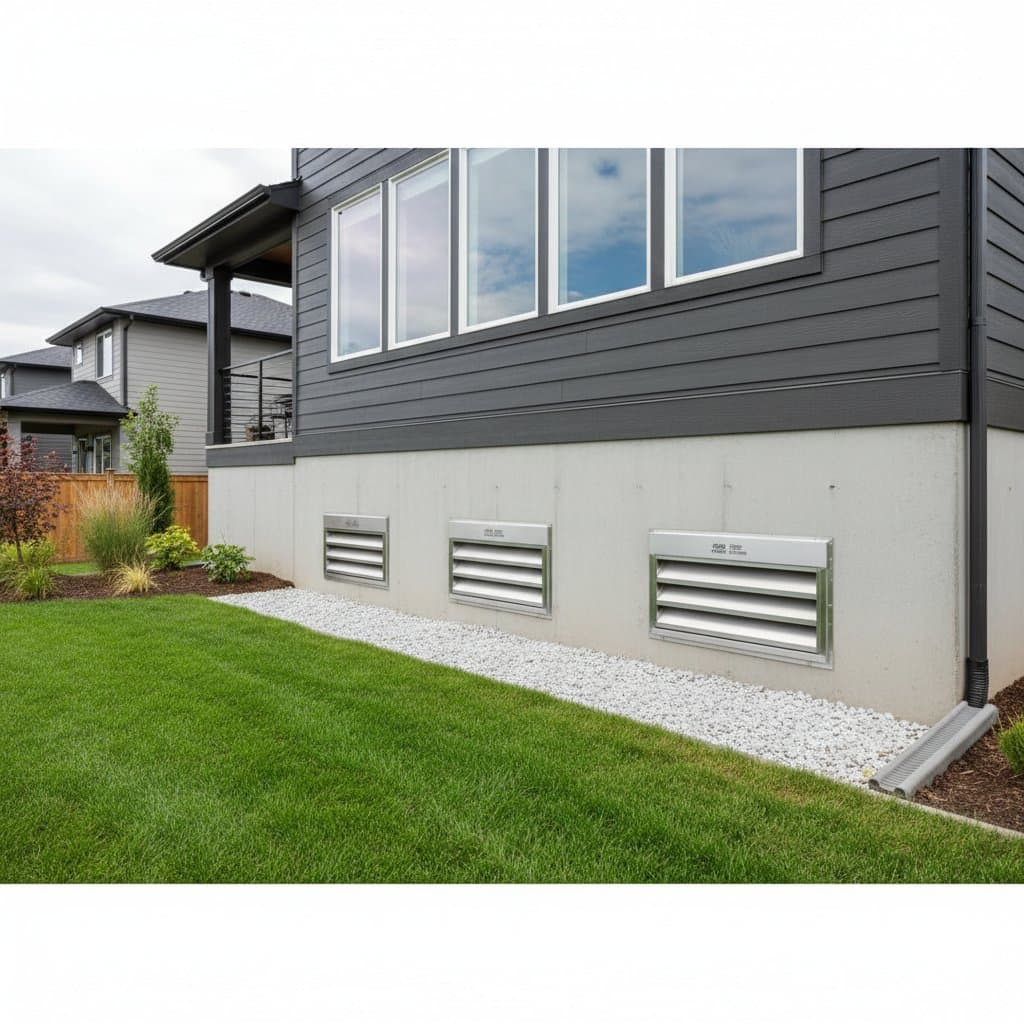
Flood vents consist of specialized openings integrated into basement or foundation walls. They facilitate the unimpeded movement of floodwater, equalizing pressure across the structure. Absent these vents, accumulating water generates intense lateral forces that compromise walls, induce cracks, and destabilize foundations.
Effective flood vents counteract hydrostatic pressure, the upward and sideways thrust from saturated soil or pooled water. This pressure relief preserves foundational soundness and averts progressive deterioration. Beyond structural benefits, compliant venting often qualifies homes for reduced flood insurance rates under national standards. Homeowners in designated flood zones gain particular advantages from these installations.
Core Elements of the 2026 Code Revisions
The latest revisions to basement codes intensify focus on flood vent efficacy and positioning. Requirements differ slightly across locales, yet common provisions include the following:
- Certified Flood Vents: Vents undergo testing and certification by accredited engineering organizations to verify performance.
- Automated Water Equalization: Vents permit floodwater ingress and egress without human intervention, ensuring reliable operation.
- Strategic Low-Level Installation: Position vents no higher than 12 inches above the basement floor or adjacent ground to activate promptly during inundation.
- Adequate Net Open Area: Provide a minimum of one square inch of unobstructed area per square foot of the enclosed basement space.
- Debris-Resistant Design: Incorporate mesh screens or adjustable louvers that deter obstructions while maintaining hydraulic capacity.
These criteria elevate flood vents beyond basic compliance, fostering robust defenses against recurrent water incursions. Local building authorities offer detailed interpretations; consulting them clarifies jurisdiction-specific applications.
Evaluating Flood Vent Options: Benefits and Limitations
Selecting the appropriate flood vent type balances flood resistance with practical considerations. The table below outlines primary variants, highlighting their strengths and potential drawbacks.
| Vent Type | Advantages | Disadvantages |
|---|---|---|
| Fixed Open Vents | Economical pricing, straightforward construction, and uncomplicated setup | Remain perpetually accessible, potentially admitting pests or airflow unless screened |
| Automatic Float Vents | Activate solely upon water contact and seal securely in dry conditions | Elevated upfront expense and periodic servicing needs |
| Hybrid Air-Flood Vents | Integrate ventilation for moisture control alongside flood relief | Restricted availability in various dimensions and intricate mounting processes |
When assessing choices, consider integration with overall basement climate management. Vents that permit controlled air circulation mitigate dampness, promoting a more salubrious interior space. Professional assessments tailor selections to specific site conditions, such as soil type or elevation.
Cost-Effective Strategies for Flood Vent Implementation
Implementing flood protection involves expenses, yet strategic approaches optimize expenditures without compromising quality.
- Integrate with Broader Renovations: Pair vent additions with waterproofing membranes or insulation upgrades to consolidate contractor efforts and labor charges.
- Select Rebate-Eligible Products: Certain producers provide incentives for vents that exceed code minima in efficiency or durability.
- Time Installations Strategically: Engage services during non-peak seasons, such as late fall or early spring, when rates typically decline.
- Pursue Financial Assistance: Investigate municipal or federal programs that subsidize flood resilience measures in designated risk areas.
Initial outlays for superior vents yield substantial returns by forestalling extensive flood remediation. For a standard 1,000-square-foot basement, expect costs ranging from $1,500 to $4,000, depending on vent quantity and complexity. These figures encompass materials, labor, and basic site preparation.
Sustaining Flood Vent Performance Over Time
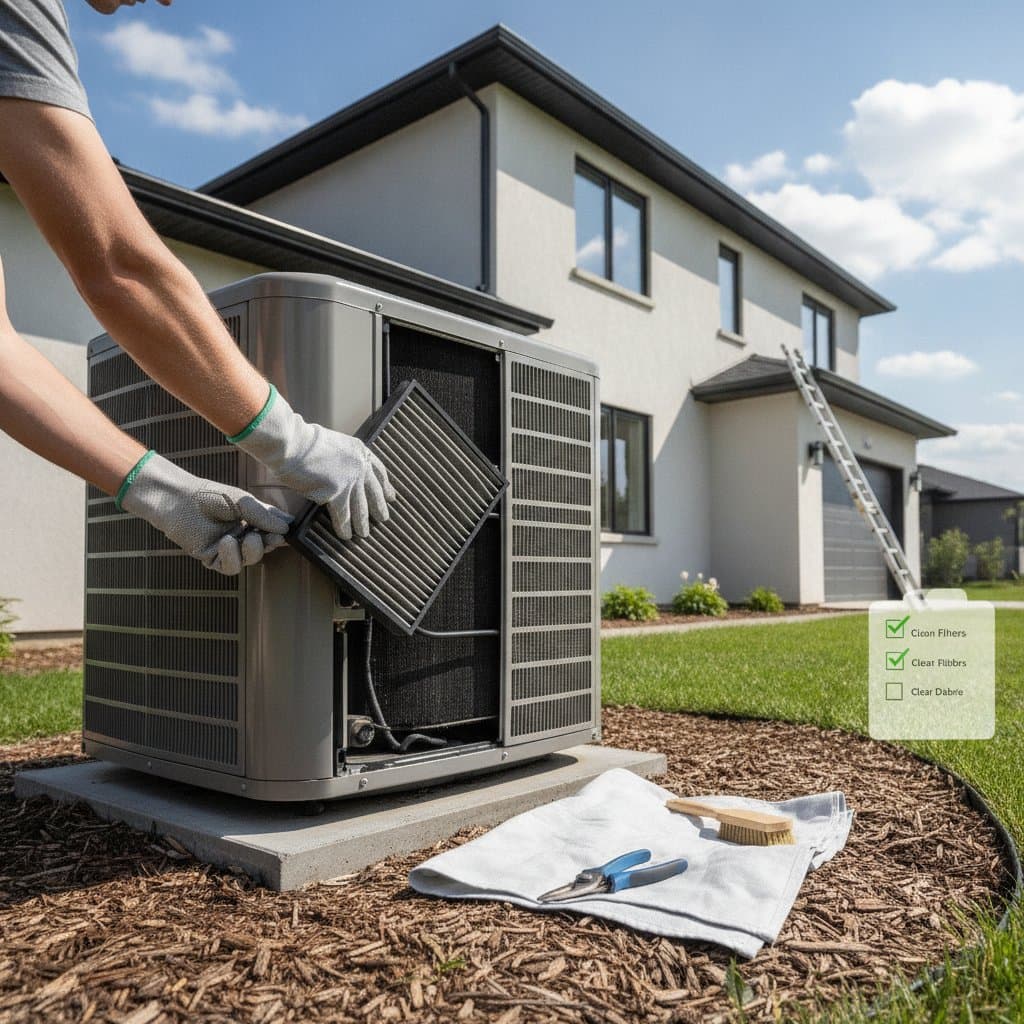
Flood vents demand little routine attention, provided owners conduct periodic evaluations. Examine units biannually for accumulations of sediment, corrosion, or impediments. Gently cleanse protective elements using a soft brush and non-abrasive cleaner, then verify the smooth articulation of moving parts.
Incorporate vent checks into yearly property inspections. Simulate operational scenarios by manually engaging mechanisms or introducing controlled water volumes to confirm responsiveness. Persistent issues, such as binding floats or pitting metal, warrant immediate specialist intervention.
Document maintenance activities in a dedicated record. This log not only tracks condition trends but also demonstrates adherence to codes during audits by insurers or prospective buyers. Proactive care extends vent longevity, often surpassing 20 years with minimal replacements.
Advancing Your Basement Flood Resilience
For properties featuring basements in susceptible locales, the 2026 codes enforce rigorous standards for flood vents. Begin with a thorough audit of existing configurations to identify deficiencies in certification, dimensions, or placement. Engage a certified flood mitigation expert to conduct a site-specific appraisal and outline remediation pathways.
Prioritize vents that align with both regulatory demands and environmental realities. Such investments fortify against immediate threats while enhancing overall property resilience. Homeowners who act decisively position themselves to navigate future weather challenges with confidence and minimal disruption.