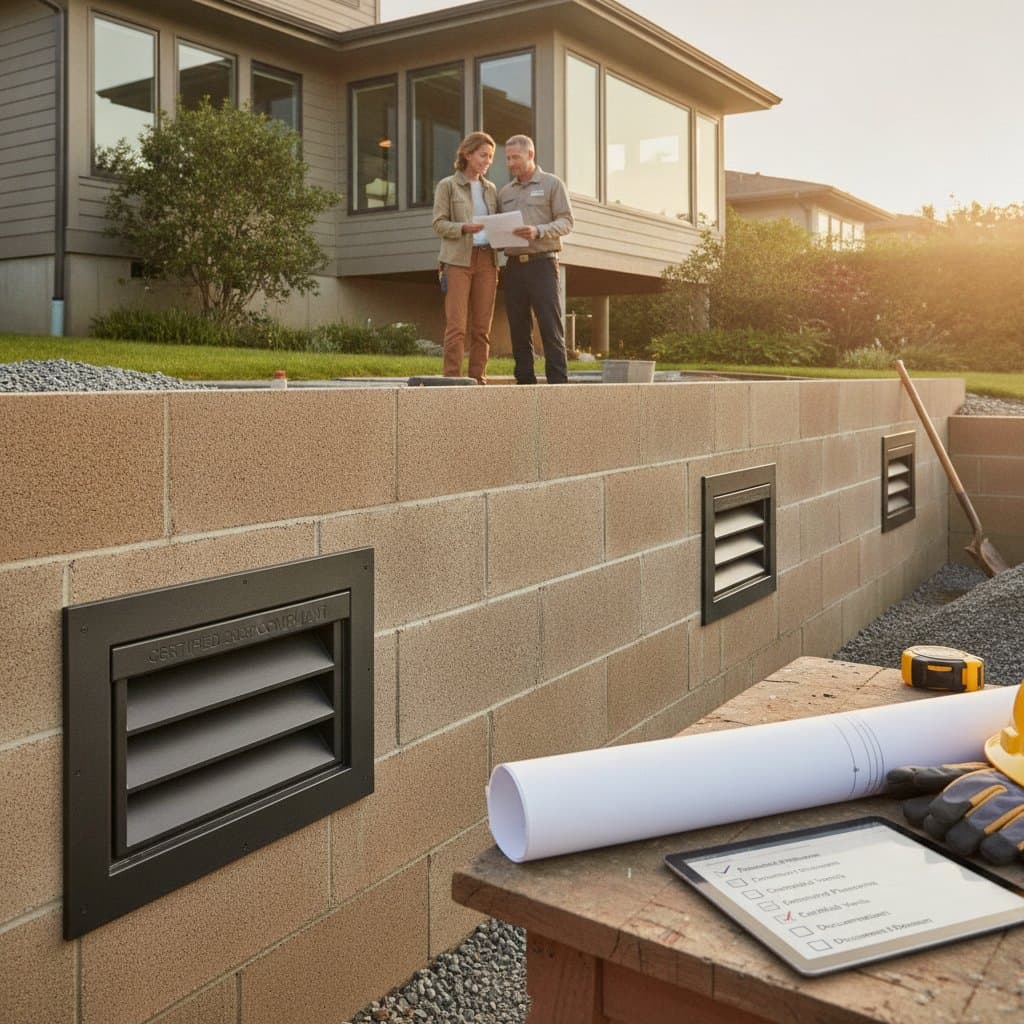
Earn 2025 FEMA Credits with Flood Vents and Wet Floodproofing
Flood protection extends beyond peace of mind; it delivers tangible financial safeguards. FEMA's updated credit system for 2025 incentivizes homeowners to adopt advanced mitigation strategies, such as engineered flood vents and wet floodproofing. These measures lower insurance premiums, safeguard foundations, and qualify properties for credits that recognize forward-thinking risk reduction.
Project Snapshot
Average Cost: $3,000 - $9,000
Timeline: 1 - 3 weeks
Lifespan: 20 - 25 years
Best Season: Spring or Fall
DIY Friendly: Partial
The Importance of FEMA Credits in 2025
Rising flood insurance premiums stem from expanding floodplain designations and stricter building regulations. FEMA now provides credits to homeowners who implement approved mitigation systems. These credits counteract premium hikes and diminish overall flood vulnerability.
Properties located in Special Flood Hazard Areas benefit most from compliant flood vents and wet floodproofing. Such installations enable water to flow through enclosed areas without generating damaging pressure, surpassing basic flood elevation standards. Homeowners gain both immediate cost relief and enhanced property resilience.
How Flood Vents Function
Engineered flood vents consist of specialized openings positioned at the base of foundation walls. During flood events, these vents open automatically, permitting water to enter and exit the enclosed space. This process equalizes hydrostatic pressure, preventing structural damage from water buildup.
Absence of vents leads to pressure accumulation that may fracture walls or displace foundations. Approved vents undergo rigorous testing to ensure they provide at least one square inch of net open area per square foot of enclosed space. Compliance with these standards guarantees performance under varying flood conditions.
Cost Breakdown for Flood Vents
| Component | Cost Range | Notes |
|---|---|---|
| Engineered flood vents | $200 - $450 each | Most homes require 4-8 vents |
| Professional installation | $1,200 - $2,500 | Covers cutting, sealing, and code checks |
| Maintenance every few years | $100 - $300 | Involves cleaning and inspections |
For a typical raised foundation, expect total expenses of $3,000 to $5,000, influenced by wall composition and site access.
Key Elements of Wet Floodproofing
Wet floodproofing accepts temporary water intrusion while minimizing damage through strategic design. This approach uses durable, water-resistant materials, elevates vital components, and incorporates efficient drainage. Spaces treated this way recover swiftly, reducing post-flood repair needs.
Essential Wet Floodproofing Components
- Select flood-resistant materials, including concrete blocks, closed-cell foam insulation, and ceramic tiles.
- Integrate floor drains equipped with backflow prevention valves.
- Raise appliances and electrical outlets to a height of at least one foot above the base flood elevation.
- Incorporate sump pumps featuring battery backups for reliable water removal.
A comprehensive retrofit for a standard basement ranges from $5,000 to $9,000, varying by square footage and selected materials.
Deciding Between DIY and Professional Installation
Homeowners with masonry experience may handle basic flood vent installations, including precise cutting and sealing. Structural modifications or foundation alterations demand licensed contractors to ensure stability and adherence to regulations. Wet floodproofing projects involving electrical or plumbing work necessitate expert involvement for safety and compliance.
To secure FEMA credits, maintain thorough documentation. Engage a certified floodplain manager or engineer to confirm alignment with FEMA Technical Bulletin 1. Lacking verification, even effective systems fail to qualify for reductions.
Obtain quotes from at least three local contractors prior to proceeding. Qualified professionals assist in crafting solutions that satisfy both municipal codes and FEMA criteria.
Optimal Timing for Implementation
Supply chain issues and seasonal demand affect material prices, particularly for aluminum frames and stainless steel components. Schedule projects outside peak periods like hurricane season to avoid surges in costs and availability constraints. Spring and fall provide favorable weather and contractor schedules.
Coordinate flood vent work with planned foundation maintenance or exterior updates. This integration cuts labor expenses and streamlines permitting processes.
Calculating Return on Investment
Qualified flood vents and wet floodproofing installations yield premium reductions of 10 to 25 percent, based on flood zone and policy details. Properties earning FEMA credits attract buyers seeking verified safety features, often commanding higher market values.
Indirect benefits include better energy performance through reduced moisture and mold issues, easing demands on heating and cooling systems. Homeowners typically recoup investments within 5 to 8 years via insurance discounts and prevented repair costs. Beyond finances, these upgrades avert the disruptions of flood aftermath.
Essential Maintenance Practices
Regular upkeep preserves system effectiveness. Inspect and clear vents annually of debris. Test sump pumps every three months and reseal foundation penetrations biennially. Residents in high-risk areas, such as coastal or riverside locations, should arrange professional evaluations following any water exposure.
Steps to Secure FEMA Credits
Homeowners targeting 2025 FEMA credits should prioritize flood vents and wet floodproofing for their proven impact on costs and safety. Begin by assessing property flood risk through local maps. Consult certified experts to design and install compliant systems, then submit documentation for premium adjustments. This proactive strategy aligns with tightening regulations while delivering enduring protection.