- Regulatory Adherence: Obtain certification from manufacturers or provide engineering reports to confirm compliance with national standards.
FEMA's revised guidelines underscore the connection between compliant flood vents and enhanced safety measures. Homeowners who incorporate engineered flood vents into their properties often become eligible for reduced rates under the National Flood Insurance Program, reflecting the vents' proven role in mitigating flood-related risks.
Understanding Wet Floodproofing Techniques
Wet floodproofing involves designing specific portions of a building to accommodate floodwater deliberately, while safeguarding habitable spaces and critical infrastructure from inundation.
This approach accepts the inevitability of water entering utility or storage areas, such as basements, crawl spaces, or attached garages. Emphasis falls on selecting durable, water-resistant construction materials and methods that limit long-term damage and simplify recovery after an event.
Core Elements of Wet Floodproofing
- Objective: Limit the extent of harm to structural components and interior finishes situated below the anticipated flood elevation.
- Recommended Materials: Opt for reinforced concrete, pressure-treated wood framing, closed-cell spray foam insulation, and non-porous flooring like ceramic or porcelain tiles.
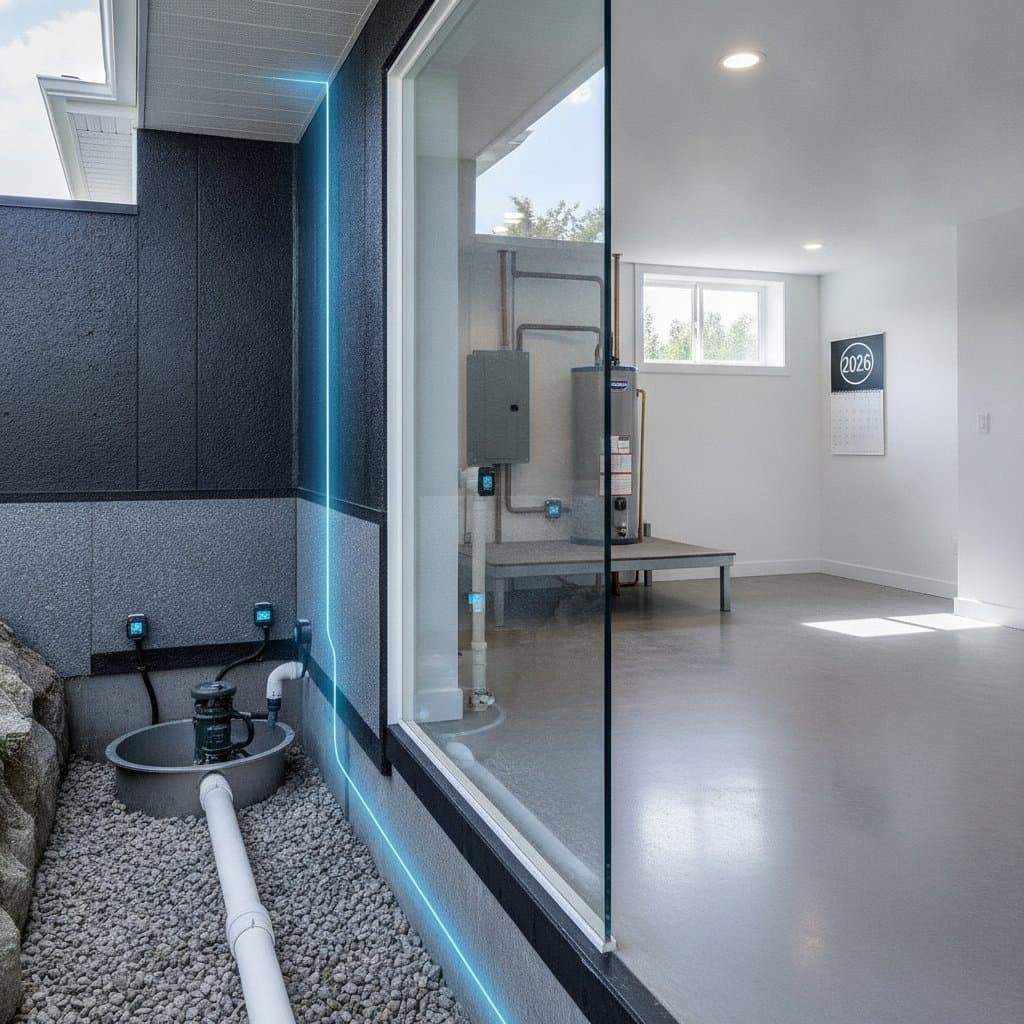
- Critical Systems: Elevate electrical panels, heating units, and plumbing fixtures above the base flood elevation to prevent operational disruptions.
- Drainage Integration: Incorporate sloped surfaces, sump pumps, and perimeter drains to direct water away from the structure efficiently.
- Ongoing Upkeep: Conduct periodic checks on vents, seals, and flood-resistant elements to verify their condition and functionality over time.
For older residences where elevation proves impractical or prohibitively expensive, wet floodproofing aligns closely with FEMA's objectives. It delivers a balanced solution that prioritizes affordability without compromising essential protection levels.
Implications for Homeowners in Designated Flood Areas
Homeowners in flood hazard zones will encounter more rigorous evaluation processes and record-keeping obligations, yet these changes offer substantial advantages in terms of security and financial relief.
The transition prompts many owners to initiate improvements voluntarily, avoiding the complications of last-minute adjustments. If a property lies within a Special Flood Hazard Area, a thorough review of foundation venting systems and floodproofing features can preempt compliance issues and streamline interactions with insurers and regulators.
Advantages of Meeting the New Standards
- Premium Reductions: Documented compliant installations frequently result in decreased flood insurance costs through program discounts.
- Structural Reliability: Effective venting systems avert catastrophic foundation failures during high-water events.
- Market Appeal: Prospective buyers prioritize properties with verified flood mitigation, potentially increasing resale prices.
- Recovery Efficiency: Well-prepared homes sustain less severe damage, enabling quicker restoration and reduced downtime.
- Regulatory Alignment: Compliance facilitates smoother permitting for renovations or expansions in flood-prone regions.
Although the regulations introduce additional oversight, they serve as a comprehensive guide for fortifying homes against environmental threats in susceptible locations.
Steps to Achieve Compliance Ahead of Schedule
Begin preparation by conducting a comprehensive audit of your property's flood defense mechanisms to pinpoint areas needing enhancement prior to the rules taking effect.
Such foresight not only mitigates risks but also optimizes long-term expenses associated with flood events. Homeowners benefit from integrating these measures into routine maintenance schedules, ensuring sustained readiness.
- Evaluate Current Vents: Measure existing openings against engineering specifications and test their ability to operate without obstruction.
- Upgrade Vulnerable Materials: Substitute absorbent or degradable elements in lower levels with flood-durable alternatives like sealed masonry or synthetic composites.
- Reposition Utilities: Raise electrical outlets, circuit breakers, and mechanical equipment to heights exceeding the design flood level, following local codes.
- Compile Records: Gather invoices for installations, manufacturer certifications, and photographic evidence of modifications for easy reference during inspections.
- Seek Expert Guidance: Engage certified floodplain managers or municipal inspectors to validate your setup against evolving standards.
- Plan for Testing: Simulate flood scenarios periodically to confirm that vents and drainage paths perform as intended.
Implementing these actions early typically incurs lower costs than emergency retrofits. Moreover, it enhances eligibility for insurance incentives and bolsters overall property resilience.
Shaping Resilient Home Designs for the Future
These regulations will steer architectural practices toward innovative, flood-responsive solutions that merge durability with aesthetic considerations.
Professionals in the field increasingly incorporate subtle flood vents, such as louvered panels that blend seamlessly with siding or foundation facades. Similarly, resilient flooring options like epoxy-coated concrete or resilient vinyl provide both protection and style, adapting to the demands of waterfront living.
This evolution fosters a philosophy of coexistence with natural water cycles, rather than resistance. Forward-thinking designs feature modular lower enclosures that sacrifice minimal functionality while prioritizing rapid drying and minimal repair needs. As a result, properties in flood-vulnerable regions gain enhanced longevity and appeal, reflecting a proactive stance on climate adaptation.
Building Lasting Flood Resilience
Adopting FEMA's 2026 standards equips homeowners with tools to transform potential vulnerabilities into strengths. Through informed upgrades and meticulous documentation, properties achieve greater stability, financial efficiency, and market value. This strategic approach not only safeguards investments but also contributes to community-wide preparedness against rising flood risks.