Understanding the 2026 Basement Waterproofing Mandates for Insurance
Home renovation tasks present challenges, yet the impending basement waterproofing requirements elevate the urgency. Insurance renewals will demand documentation of basement waterproofing measures. Insurers implement these policies in response to escalating claims from flooding and groundwater issues. Homeowners with basements face a clear imperative: compliance prevents coverage gaps or premium increases.
Postponing action until an emergency arises proves unwise. A heavy rain event can render insurance invalid if waterproofing lacks verification, leading to substantial out-of-pocket expenses. Proactive steps align with these regulations and safeguard financial stability.
The Significance of These Insurance Policy Changes
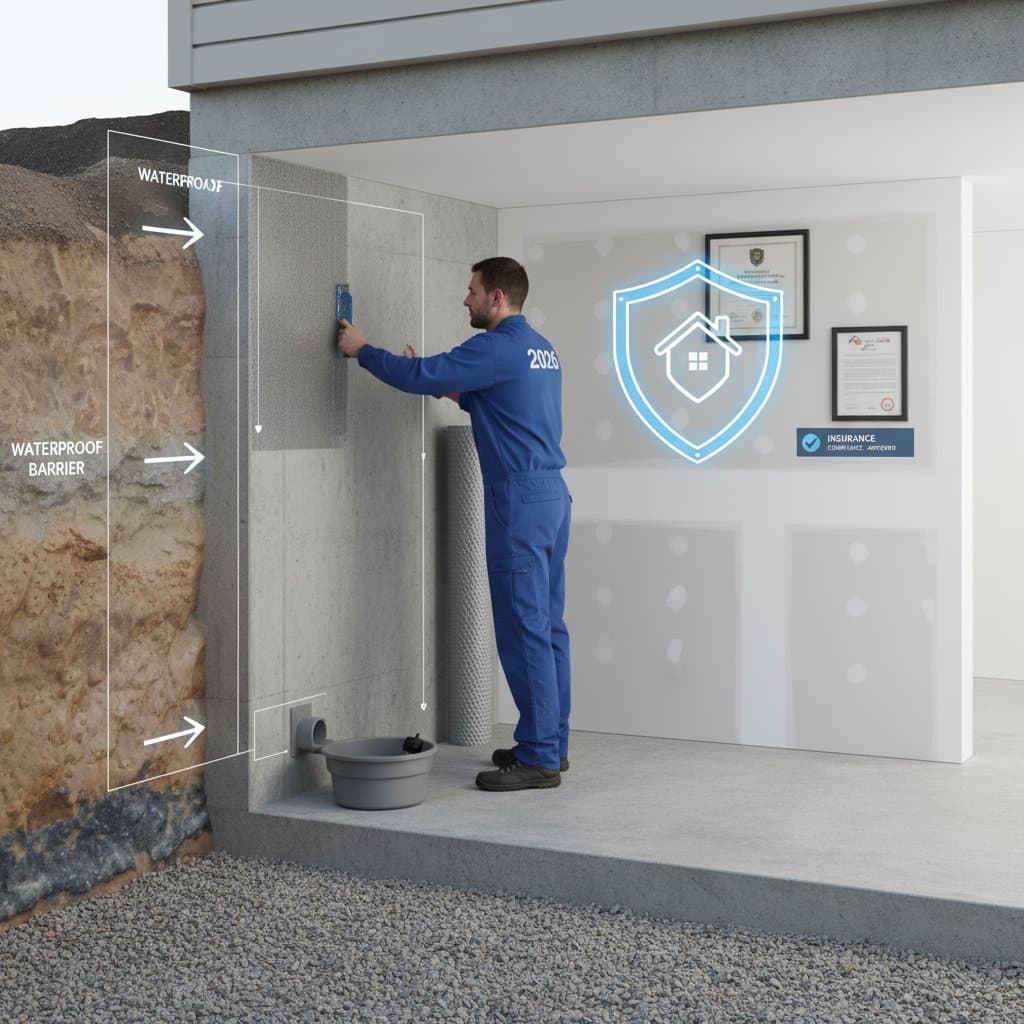
Insurers confront mounting losses from water-related damages and thus enforce stricter standards. Intensified rainfall and strained urban drainage contribute to basements emerging as primary vulnerability points. The mandates stipulate verification of sealing, drainage, and barriers against groundwater and surface water infiltration.
Compliance extends beyond regulatory adherence; it preserves the home's core value. Flooding inflicts severe damage to finished areas, insulation, and wiring, with restoration expenses frequently surpassing deductibles by tens of thousands. Absent certified waterproofing, claim denials become likely, amplifying financial exposure.
Factors Influencing Waterproofing Expenses
Supply chain disruptions, including tariffs on imported materials like waterproof membranes and drainage components, drive up costs. Local manufacturers face heightened demand, resulting in price elevations of 10 to 15 percent. Contractor availability remains limited, with schedules extending months ahead, which inflates rates for urgent projects.
Budget for $6,500 to $10,000 on fundamental perimeter drainage and sealing applications. Mid-level systems incorporating sump pumps and vapor barriers range from $11,000 to $15,000. Comprehensive structural solutions, involving exterior excavation and foundation treatments, start at $16,000 to $18,000.
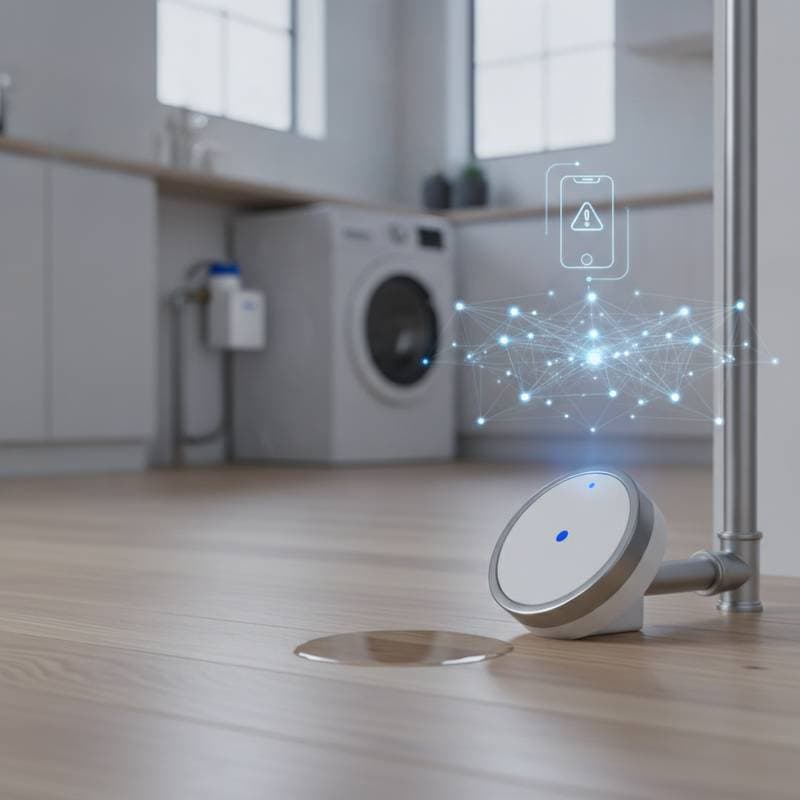
Properties in regions with elevated water tables incur higher expenditures. Flood-vulnerable locations often necessitate advanced setups, such as dual sump pumps with battery backups and moisture sensors, adding $1,500 to $3,000 to the total.
Evaluating DIY Options Versus Professional Services
Minor interventions, such as crack sealing or waterproof paint application, suit homeowner efforts. However, projects entailing excavation, pump integration, or drainage engineering demand expert involvement to satisfy codes and secure inspections.
An initial DIY drainage attempt may falter due to overlooked hydrostatic pressures, necessitating costly corrections. Professional execution from the outset ensures durability and compliance.
Suitable DIY Interventions:
- Seal observable cracks using hydraulic cement
- Coat interior walls with waterproof sealants
- Position moisture detectors and dehumidification units
Tasks Requiring Professional Expertise:
- Excavate foundations or install drain tiles
- Wire sump pump mechanisms
- Affix vapor barriers beneath flooring
- Adjust site grading and external drainage
To confirm alignment with insurance criteria, obtain a certified inspection report. Such documentation typically satisfies policy requirements.
Detailed Cost Analysis
| Component | Average Cost | Purpose | Insurance Acceptance |
|---|---|---|---|
| Interior Sealant | $500 - $2,000 | Prevents minor water penetration | Partial |
| Interior Drainage System | $6,000 - $10,000 | Channels water to collection points | Full |
| Sump Pump + Backup | $1,200 - $2,500 | Expels accumulated water | Full |
| Exterior Waterproof Membrane | $12,000 - $18,000 | Shields foundation from ingress | Full |
| Vapor Barrier for Finished Basement | $800 - $1,500 | Mitigates moisture and mold growth | Partial |
Navigating Safety Protocols and Regulatory Compliance
Waterproofing initiatives intersect with local building codes, particularly in occupied basements featuring electrical or habitable elements. Sump pump electrical installations require licensed professionals to meet safety norms.
Operations in moist, enclosed areas pose hazards including mold inhalation, shock risks, and foundation shifts. Equip with protective equipment and maintain airflow. For digs, contact utility locators to map subsurface utilities prior to commencement.
Sustaining Waterproofing Effectiveness
Waterproofing demands ongoing attention to retain functionality and insurance validity. Routine checks prevent failures and support claim processes.
Recommended Annual Upkeep:
- Verify sump pump functionality biannually
- Remove obstructions from discharge pipes
- Examine walls for emerging fissures
- Assess exterior slopes to direct water di. Maintain gutter cleanliness and extend downspouts beyond five feet from the structure
For systems with battery reserves, replace units every three to five years. Document all upkeep in a record; insurers value this evidence during evaluations.
Implementing Waterproofing Strategies Effectively
These mandates, while demanding investment, foster resilient home protection. A secure basement reduces future liabilities, enhances safety, and bolsters market appeal. Consult certified specialists to tailor solutions, ensuring seamless integration with existing structures and sustained policy coverage.