Understanding Universal Bathroom Design for Enhanced Value
Universal bathroom design integrates accessibility features seamlessly into stylish, functional spaces. This approach ensures the room serves users of all ages and abilities without compromising aesthetics. Homeowners who incorporate these elements during remodeling often see substantial returns, as buyers increasingly prioritize adaptable living environments.
In markets with growing demand for inclusive homes, such upgrades position properties favorably. Buyers appreciate avoiding costly post-purchase modifications. The result is a bathroom that supports current needs while future-proofing the home.
Benefits for Resale and Market Appeal
Properties featuring universal bathrooms attract a broader audience, including multigenerational families and aging-in-place enthusiasts. These spaces reduce barriers to entry for buyers with mobility concerns. Wide doorways, lever handles, and adjustable-height fixtures exemplify thoughtful adaptations.
Data indicates that such homes sell 10 to 15 percent faster than comparable listings. Resale premiums range from $8,000 to $15,000, influenced by regional trends and feature quality. In areas with retiree populations, the appeal intensifies, making these investments particularly worthwhile.
Factors Influencing Remodeling Costs
Budgeting requires careful consideration of several variables to avoid surprises.
-
Bathroom Dimensions: Compact 5x8-foot spaces generally cost $18,000 to $25,000 for full remodels. Larger 10x10-foot areas may exceed $40,000, especially with high-end materials.
-
Plumbing Adjustments: Relocating lines for fixtures adds $2,000 to $5,000. Retaining original positions minimizes expenses and disruption.
-
Core Accessibility Elements:
- Grab bars: $150 to $300 per unit, including installation.
- Zero-threshold shower bases: $1,200 to $2,800.
- Wall reinforcements: $500 to $800 for future-proofing.
- Smart bidet toilets: $1,000 to $2,200.
-
Flooring and Surface Options: Porcelain tiles range from $4 to $7 per square foot. Slip-resistant luxury vinyl plank offers durability at $3 to $5 per square foot with simpler upkeep.
-
Labor Considerations: Experienced contractors charge $75 to $120 hourly. Verify their familiarity with accessibility codes regarding clearances and heights.
Deciding Between DIY and Professional Assistance
Certain tasks suit skilled homeowners, while others demand expert intervention for safety and compliance.
| Task | Suitable for DIY? | Requires Professional? | Key Considerations |
|---|---|---|---|
| Painting and trim | Yes | No | Straightforward with minimal risk |
| Grab bar installation | Limited | Yes for reinforcement | Ensures structural integrity |
| Floor tiling | Yes, with skill | Recommended for novices | Demands precise leveling |
| Plumbing relocation | No | Yes | Involves permits and regulations |
| Electrical work | No | Yes | Adheres to safety standards |
| Shower enclosure | Limited | Yes for glass panels | Handles weight and waterproofing |
Opt for professionals on projects affecting structure, utilities, or code adherence. Errors here could lead to failures during inspections or reduced warranties.
Essential Professional Interventions
Expert input proves vital in several areas to guarantee quality and longevity.
- Wall Preparations: Reinforcements must align with code specifications for load-bearing support.
- Shower Waterproofing: Proper pan and membrane application prevents moisture damage to underlying structures.
- Airflow Systems: Adequate ventilation combats humidity and maintains indoor air quality.
- Regulatory Compliance: Secure permits for any utility alterations to facilitate smooth approvals.
Engaging certified remodelers streamlines the process and bolsters documentation for future sales.
Step-by-Step Remodeling Timeline
Most projects span four weeks, allowing for orderly progression.
Week 1: Preparation and Removal
Select finishes, procure supplies, and obtain approvals. Dismantle outdated components like tiles and vanities.
Week 2: Core Modifications
Install supports within walls and adjust plumbing or wiring as needed.
Week 3: Finishing Surfaces
Lay shower bases, apply tiles, and coat walls for a smooth base.
Week 4: Final Assembly and Checks
Mount fixtures, seal joints, and verify functionality. Schedule inspections to confirm standards.
Allow extra time for bespoke elements such as custom enclosures.
Stylish Features for Broad Appeal
Blend functionality with visual allure to captivate potential buyers.
- Color Schemes: Employ neutrals like soft grays or beiges to create inviting, spacious feels.
- Surface Textures: Matte options resist spotting and improve handling.
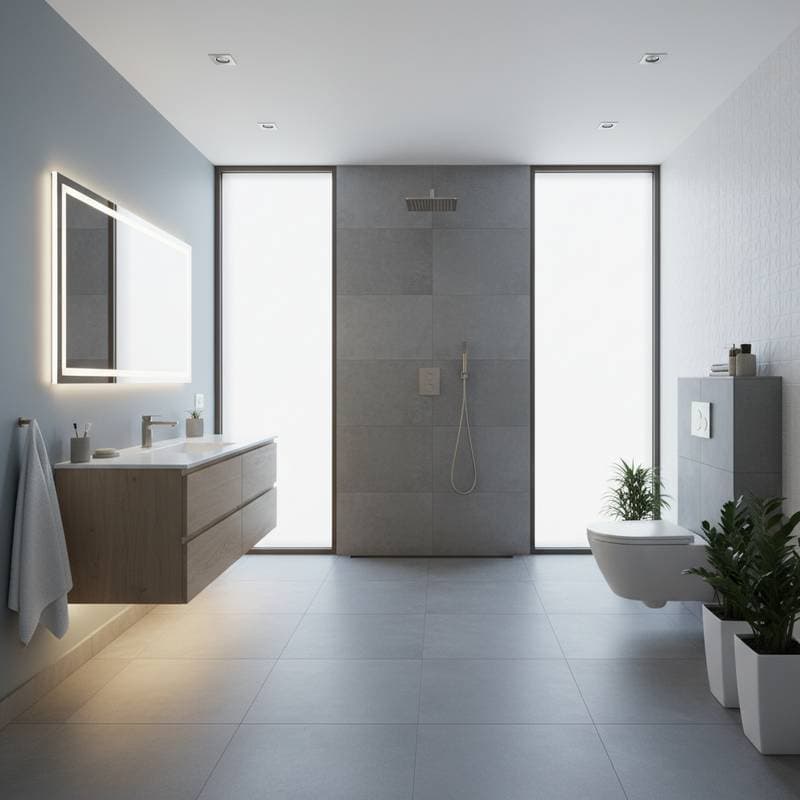
- Vanity Designs: Wall-mounted styles provide under-space access and sleek lines.
- Shower Configurations: Frameless enclosures maximize openness and ease of entry.
Subtle accents, such as edge contrasts on floors, aid navigation while elevating design.
Strategies for Ongoing Care
Sustain the remodel's performance through routine practices.
- Reapply sealants in caulk and grout biannually to block water intrusion.
- Use gentle cleaners on traction surfaces to retain grip without wear.
- Tighten grab bar mounts annually for reliability.
- Clear drains regularly with heated water to avoid clogs.
These measures safeguard durability and uphold the space's market edge.
Realizing Lasting Returns on Your Remodel
Universal bathroom enhancements deliver safety, versatility, and economic advantages. They draw diverse purchasers and adapt to evolving lifestyles. Select robust components and qualified teams to maximize outcomes.
Begin by consulting area specialists in inclusive designs. Obtain detailed proposals outlining scopes, timelines, and protections to guide your project confidently.