Understanding Home Battery Backups
Home battery backups provide a critical layer of protection against power disruptions, especially with anticipated grid challenges in 2026. These systems store electrical energy for use when the main power supply fails, ensuring that essential devices and appliances continue to function. By integrating with your home's electrical setup, they offer reliability during outages caused by weather events, infrastructure strain, or other unforeseen issues.
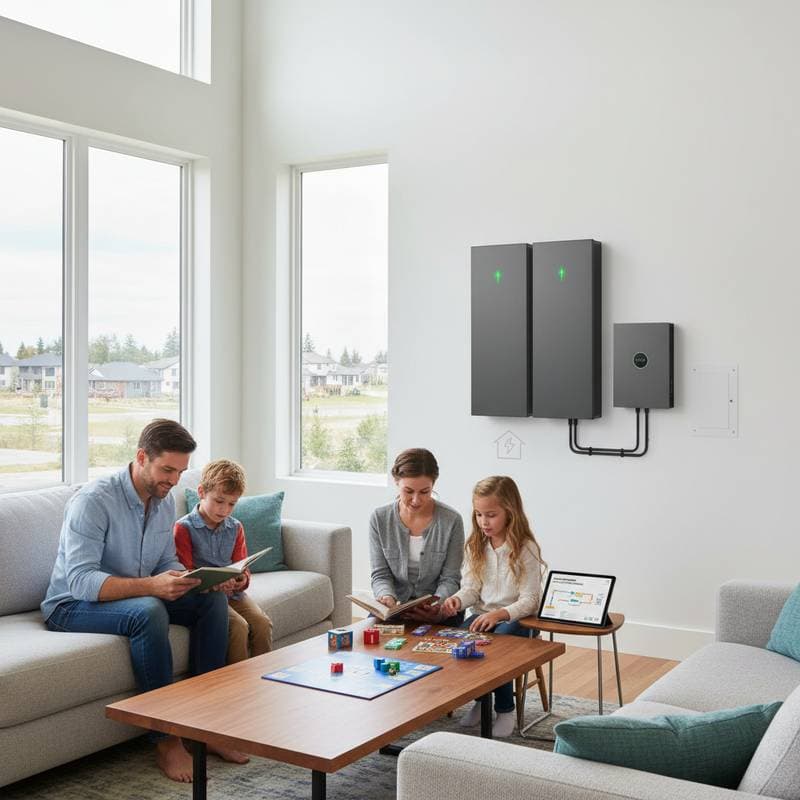
A typical wall-mounted lithium-ion battery system connects directly to your home's electrical panel. This setup allows it to power major appliances, such as refrigerators, heating systems, and lighting, for several hours depending on capacity and demand. Lithium-ion batteries excel in efficiency and longevity, often lasting 10 to 15 years with proper care.
Full-Home Versus Partial Solutions
For comprehensive protection, consider large-scale systems designed for whole-home coverage. These units store sufficient energy to power an entire household, including air conditioning, water heaters, and electronics, for a full day or longer. Integration with solar panels enables automatic recharging during daylight hours, creating a sustainable loop that reduces reliance on the grid.
If funds are limited initially, begin with a smaller portable or partial system focused on critical areas like the kitchen or home office. Portable units, often ranging from 1 to 5 kilowatt-hours, can charge via standard outlets or vehicles and provide backup for devices such as medical equipment or communication tools. As your requirements evolve, these setups expand easily by adding modular battery packs, allowing scalability without full replacement.
Homeowner Essentials
Difficulty Level: Beginner to Intermediate
Most homeowners handle routine tasks with confidence, but electrical work demands caution. Basic involvement includes monitoring and upkeep, while complex installations require expertise.
Tools Needed
Gather essential items for maintenance: a flashlight for visibility in low-light areas, a screwdriver set for securing panels, and a cleaning cloth for dust removal. A smartphone or tablet proves invaluable for accessing system apps that track performance metrics in real time.
When to Handle Tasks Yourself
Homeowners manage basic cleaning to prevent dust buildup, which can impair efficiency. Regularly monitor performance through built-in displays or apps to ensure optimal charge levels. Test the backup mode quarterly by simulating a power cut, verifying that transfer to battery power occurs seamlessly within seconds.
When to Engage Professionals
Leave installation, wiring connections, and any electrical modifications to certified experts to avoid risks like shocks or fire hazards. Call professionals immediately for issues such as unusual noises, rapid discharge, or failure to recharge, as these signal potential internal faults.
Estimated Costs
Routine DIY inspections and maintenance involve minimal expense, often just the cost of cleaning supplies. Portable backup units range from low to moderate investment, typically $500 to $2,000, depending on capacity. Mid-range wall-mounted systems cost moderate to high, between $3,000 and $10,000, while full-home solutions exceed $15,000. Professional installation adds moderate fees, from $1,000 to $5,000, influenced by system size and home layout.
Long-Term Maintenance Strategies
Reliable performance hinges on consistent upkeep, integrated into your household schedule. Neglect can shorten battery life or reduce efficiency, so proactive care extends value.
Monthly Checks
Examine charge levels using the system's interface to confirm they hold above 80 percent. Visually inspect the battery exterior for damage, corrosion, or swelling, which could indicate moisture exposure or overuse.
Seasonal Testing
Every three months, activate backup mode to simulate an outage and observe runtime. Clean the surrounding area with a dry cloth to remove debris, ensuring unobstructed airflow. During extreme weather seasons, verify connections for looseness caused by vibrations or temperature shifts.
Annual Professional Review
Arrange a thorough inspection by technicians who measure capacity retention, often above 80 percent after years of use. They calibrate internal components, update firmware for improved efficiency, and address wear on inverters or cables. Document all service dates, charge cycles, and observations in a log to identify patterns, such as gradual capacity decline.
Safety Considerations
Battery systems harness significant energy, so prioritize protocols to mitigate hazards like overheating or chemical leaks. Adherence to guidelines protects occupants and preserves the equipment.
Follow these key practices:
- Refrain from opening or modifying the battery casing, as this exposes high-voltage components.
- Restrict access to the installation area for children and pets to prevent accidental contact.
- Source components and accessories exclusively from the manufacturer to maintain compatibility and warranty.
- Store no flammable items within three feet of the unit to reduce fire spread risks.
- Maintain adequate ventilation, with at least six inches of clearance on all sides, to dissipate heat.
In emergencies, such as detecting smoke or a burning odor, isolate the system by disconnecting from the panel if conditions allow, then evacuate and summon emergency services. Install smoke detectors nearby and consider carbon monoxide alarms if pairing with generators.
Professional Services
Selecting a reputable installer ensures seamless integration and compliance with local codes. Seek certifications from bodies like the North American Board of Certified Energy Practitioners. Request client references to gauge reliability, verify liability insurance, and obtain itemized quotes covering labor, materials, and timelines.
Consider maintenance contracts for ongoing support. These plans, often $200 to $500 annually, encompass inspections, thorough cleanings, and software enhancements that optimize performance. Providers may also offer remote diagnostics, alerting you to issues before they escalate.
Steps Toward Energy Resilience
Equipping your home with a battery backup empowers you against 2026 grid vulnerabilities. Assess your daily power consumption, prioritizing essentials like refrigeration and medical devices to determine required capacity. Explore options from brands known for durability, balancing upfront costs with long-term savings on energy bills.
Schedule a consultation with a certified professional to evaluate your home's electrical infrastructure and recommend tailored solutions. Implement a maintenance calendar, setting reminders for checks and services. This preparation not only sustains comfort during outages but also fosters greater energy autonomy, safeguarding your household's well-being.