Accelerate Home Sales by 18% with Universal Design Principles
Selecting finishes and fixtures that enhance daily living extends beyond mere comfort; such choices directly impact resale outcomes. Data from multiple regional real estate markets indicate that homes constructed or updated with universal design principles sell 18 percent faster on average. Buyers value the accessibility, adaptability, and strategic layouts that promote enduring usability. This design approach now serves as a key indicator of marketability and influences property appraisals.
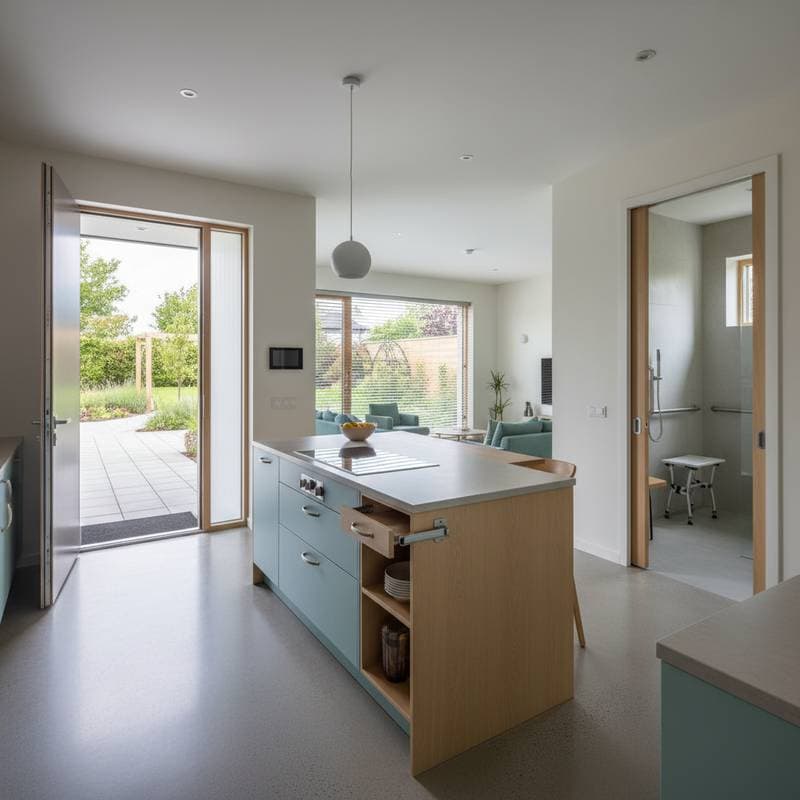
Universal design elevates a home's appeal by addressing diverse needs from the outset. For example, incorporating wide pathways allows effortless movement for families with young children or elderly members. These elements signal quality and foresight to potential purchasers, often leading to competitive bidding and quicker closings.
Understanding Universal Design as an Integrated System
Universal design creates environments accessible to individuals across all ages and abilities, eliminating the need for subsequent modifications. In home building, this involves embedding features like expansive doorways, entrances without steps, lever-style handles, and countertops at adjustable heights. These components form a cohesive accessibility network, where each element reinforces the others. Consider a shower with no threshold: it pairs effectively with non-slip surfaces and reinforced wall sections prepared for grab bars, ensuring safety and convenience.
This method prioritizes functionality over visual style. It aligns mechanical, electrical, and structural systems to serve varied users. An entry ramp, for instance, requires careful attention to incline, water runoff, and texture to comply with regulations while preserving aesthetic charm. Builders achieve this by consulting early blueprints and material specifications, avoiding costly adjustments later.
Homeowners benefit from proactive planning. During initial construction, integrating these features prevents the inconvenience of retrofitting, which can disrupt living spaces and inflate budgets. The result is a residence that adapts seamlessly to changing life stages, from raising a family to accommodating mobility aids.
Regional Variations and Market Dynamics
The benefits of universal design manifest differently across regions, yet the core advantages persist. In areas with harsh winters, entrances free of steps reduce ice buildup and slip risks, appealing to safety-conscious buyers. Coastal regions gain from broader corridors and seamless flooring that mitigate moisture-related hazards and facilitate air circulation.
Urban markets with rapid population growth favor homes supporting multigenerational households. Accessible bathrooms on the ground floor and bedrooms without stairs draw extended families seeking convenience. Real estate analytics confirm that properties with verified accessible configurations spend fewer days listed, regardless of local weather patterns.
Buyers perceive these designs as markers of superior build quality and strategic foresight. This perception translates to firmer negotiation positions for sellers. In competitive locales, such homes often command premiums, as they cater to an expanding demographic prioritizing longevity and inclusivity.
Market trends underscore this shift. As populations age and remote work rises, demand grows for versatile spaces. Universal design positions properties ahead of this curve, broadening the pool of interested parties from first-time buyers to downsizers.
Seamless Integration for Enduring Value
Effective universal design weaves into a home's core systems when implemented thoughtfully. Position electrical outlets at mid-wall heights to ease access without stooping, simplifying tasks like charging devices or operating small appliances. HVAC vents designed for both seated and standing positions ensure even temperature control throughout the space.
Lighting plays a crucial role as well. Combine ambient, task, and accent layers to provide clear visibility, particularly beneficial for those with reduced vision. Coordinated systems yield a resilient structure that withstands time with minimal updates.
Financial analyses reinforce the wisdom of this strategy. Foundations and framing built for accessibility avert high-cost overhauls in the future. Adding wider doors and level entries during new builds typically accounts for under one percent of the overall budget, while potentially lifting resale prices by multiple percentage points.
Long-term savings extend to energy efficiency and maintenance. Thoughtful layouts reduce wear on high-traffic areas, and adaptable features like modular cabinetry allow personalization without structural changes. Owners enjoy lower utility bills and fewer repairs, enhancing overall satisfaction.
Technical Facts Box
SYSTEM OVERVIEW
Technology Type: Universal design framework for residential environments
Efficiency Rating: Functional accessibility efficiency varies by layout and integration quality
Climate Zones: Performs optimally across all DOE zones with region-specific adjustments
Average Capacity: Adaptable to homes from 800 to 5,000 square feet
Typical Lifespan: Equal to building lifespan with minimal modification
Installation Complexity: Moderate, depending on site conditions and existing infrastructure
Code: Must meet ADA and local accessibility standards
Key Performance Comparisons
| Feature Type | Upfront Cost Impact | Maintenance Cost | Market Appeal | Long-Term ROI |
|---|---|---|---|---|
| Standard Layout | Baseline | Moderate | Limited | Lower resale gain |
| Partial Universal Features | +1% to +3% | Low | Strong | 10-12% higher resale |
| Full Universal Design | +3% to +5% | Very Low | Broadest | 18% faster sale cycle |
Implementing Universal Design Effectively
Homeowners embarking on renovations should prioritize universal design from the planning phase to maximize outcomes. Collaborate with architects to map framing that accommodates future needs, such as reinforced walls for handrails. Engage mechanical engineers for plumbing layouts that support adjustable sinks and showers.
Consult accessibility specialists to verify compliance and optimize flow. For existing homes, start with high-impact areas like entrances and primary bathrooms. These targeted updates yield immediate improvements in usability and appeal.
This investment represents a blend of engineering precision and economic strategy. It produces residences that serve reliably over decades, curb expensive alterations, and draw diverse buyers upon resale. By embracing universal design, owners secure not only a more inclusive living space but also a competitive edge in the housing market.