Walk-In Tubs vs. Curbless Showers: Key Choices for Aging in Place
Homeowners preparing for aging in place often face a pivotal choice in bathroom design: a walk-in tub or a curbless shower. Each option enhances safety and accessibility through distinct engineering approaches and installation processes. By examining functionality, compatibility with home plumbing, and enduring performance, individuals can select the upgrade that best safeguards health and promotes autonomy.
Core Principles of Age-Friendly Design
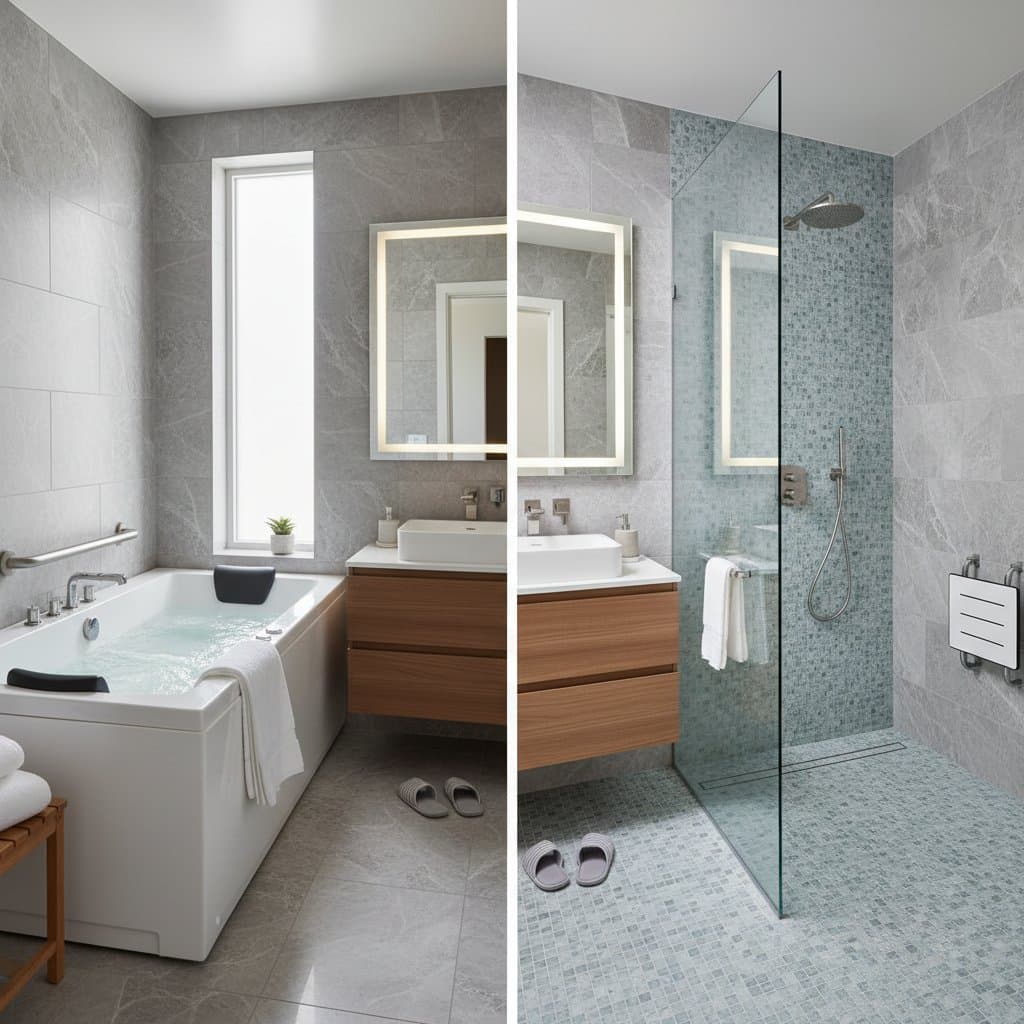
Effective aging-friendly bathrooms focus on reducing barriers and regulating environmental factors like temperature and humidity. Walk-in tubs incorporate secure doors and integrated seats, enabling entry without stepping over elevated edges. Curbless showers remove thresholds completely, relying on sloped surfaces and linear drains to manage water flow.
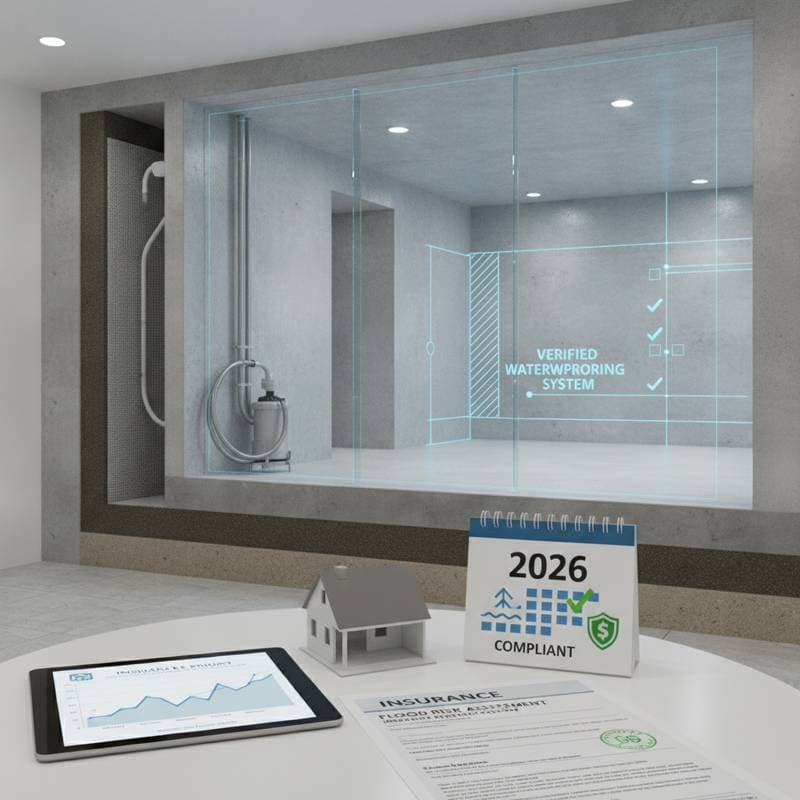
Installation for both involves adjustments to plumbing and flooring. Walk-in tubs link to standard drain and supply lines, though they demand subfloor reinforcement to support substantial water loads. Curbless showers require meticulous grading for drainage, application of waterproof barriers, and potential repositioning of drain components to prevent leaks.
Detailed Comparison of Systems
Walk-In Tubs
Walk-in tubs feature advanced components such as rapid-fill faucets, integrated water heaters, and anti-scald devices to ensure safe operation.
- Water usage: Typically 40 to 80 gallons per use, depending on model capacity.
- Optimal applications: Suited for individuals with reduced mobility who seek hydrotherapy benefits, like relief from joint pain.
- Advantages: Provides immersive soaking, includes sturdy grab bars for support, and uses reliable door seals to contain water securely.
- Drawbacks: Involves extended filling and draining periods, consumes more water overall, and poses challenges for caregiver assistance due to enclosed design.
To maximize benefits, select models with adjustable jets for targeted therapy and ensure the unit fits within the existing bathroom footprint without major wall alterations.
Curbless Showers
These showers employ linear drains capable of handling 10 to 15 gallons per minute, facilitating quick water evacuation.
- Water usage: Varies by fixture flow rate and shower duration, often 10 to 25 gallons, promoting conservation.
- Optimal applications: Perfect for households with multiple users or those requiring wheelchair-friendly access for seamless transitions.
- Advantages: Offers barrier-free entry, a contemporary aesthetic, simplified cleaning routines, and reduced water demands.
- Drawbacks: Necessitates exact slope engineering and robust waterproofing; subfloor modifications may arise in older homes to achieve proper pitch.
For best results, pair with fold-down benches or handheld sprayers to accommodate varying needs, and verify that the design aligns with room dimensions for unobstructed movement.
Practical Integration into Your Home
Walk-in tubs adapt well to standard alcove spaces, but they require a separate electrical circuit for heaters or aeration systems. Subfloor strengthening becomes essential to bear the tub's weight when filled, potentially involving joist reinforcement. Curbless showers call for comprehensive floor regrading, which increases complexity yet delivers broad accessibility. These showers pair effectively with thermostatic valves and digital interfaces that track temperature and consumption patterns for added convenience.
Before proceeding, measure the bathroom precisely and assess plumbing access points. Professional surveys can identify hidden obstacles, such as outdated pipes, ensuring smooth incorporation without disrupting daily routines.
Cost and Value Evaluation| System Type| Average Installation Cost | Long-Term Maintenance | Water Use per Session | Projected Lifespan | Energy Cost Impact|
|-----------------|---------------------------|-----------------------|-----------------------|--------------------|-----------------------------|
| Walk-In Tub| $8,000 - $15,000| Moderate| 40-80 gallons| 15-20 years| Higher due to heating needs |
| Curbless Shower| $6,000 - $12,000| Low| 10-25 gallons| 20-25 years| Lower with proper ventilation|Although walk-in tubs carry steeper initial and ongoing expenses, their therapeutic elements may reduce reliance on external health services. Curbless showers deliver superior efficiency and minimal upkeep, positioning them as a cost-effective, eco-conscious choice for sustained use.
Factor in potential rebates for accessibility modifications or energy-efficient features to offset investments. Over time, the curbless option often yields savings through lower utility bills and fewer repairs.
Compliance and Installation Essentials
All installations adhere to established standards for plumbing and accessibility. The International Residential Code outlines waterproofing protocols for moisture-prone zones, while the Americans with Disabilities Act sets requirements for slopes and maneuvering clearances. Walk-in tubs mandate anti-scald safeguards and ground-fault circuit interrupter outlets for electrical safety.
Engage certified professionals early to navigate permits and inspections. This step prevents costly rework and confirms that the setup meets local building regulations.
Expert Guidance for Selection
Consult a licensed plumber alongside a specialist in aging-in-place designs prior to committing to either system. Involve a structural engineer to evaluate load-bearing capacity for tubs or drainage efficacy for showers, particularly in legacy homes.
Tailor the choice to personal circumstances: prioritize hydrotherapy if arthritis or muscle tension affects daily life, or opt for curbless access if mobility aids like walkers or wheelchairs are in use.
Sustaining Performance Over Time
Preserve your bathroom upgrade through regular upkeep. For walk-in tubs, schedule yearly checks on door seals and clean aeration jets to avoid mineral deposits. Curbless showers benefit from resealing grout lines every six months and clearing drains to sustain optimal flow.
Implement simple habits, such as using non-slip mats and monitoring for early wear, to extend functionality. These practices ensure the space remains a reliable haven for years.
Achieving Lasting Independence and Comfort
The ultimate selection hinges on individual priorities between restorative bathing and fluid mobility. Walk-in tubs deliver a sanctuary for therapeutic immersion, fostering physical well-being in a secure environment. Curbless showers, by contrast, empower effortless navigation, supporting active lifestyles with minimal environmental impact. Either path enhances the home as a foundation for graceful aging.