Expect Higher 2026 Kitchen Remodel Costs from Inflation
Homeowners planning a kitchen remodel must consider budget stability and material pricing. Inflation influences every aspect of the renovation process, including cabinetry, countertops, labor, and permitting. Anticipate substantial cost increases due to supply constraints, elevated energy expenses, and a limited pool of skilled workers. Grasping the drivers of these price shifts enables planning for a remodel that delivers quality, performance, and enduring value.
Why Inflation Is Reshaping Kitchen Budgets
Kitchen remodel pricing responds keenly to inflation, which impacts material production and skilled labor. Components such as plywood panels and quartz slabs incur higher energy and transportation costs. Rising fuel prices elevate logistics expenses, while increased manufacturer wages raise prices for finished products. Inflation also affects interest rates, thereby increasing financing costs for home equity loans or renovation credit lines.
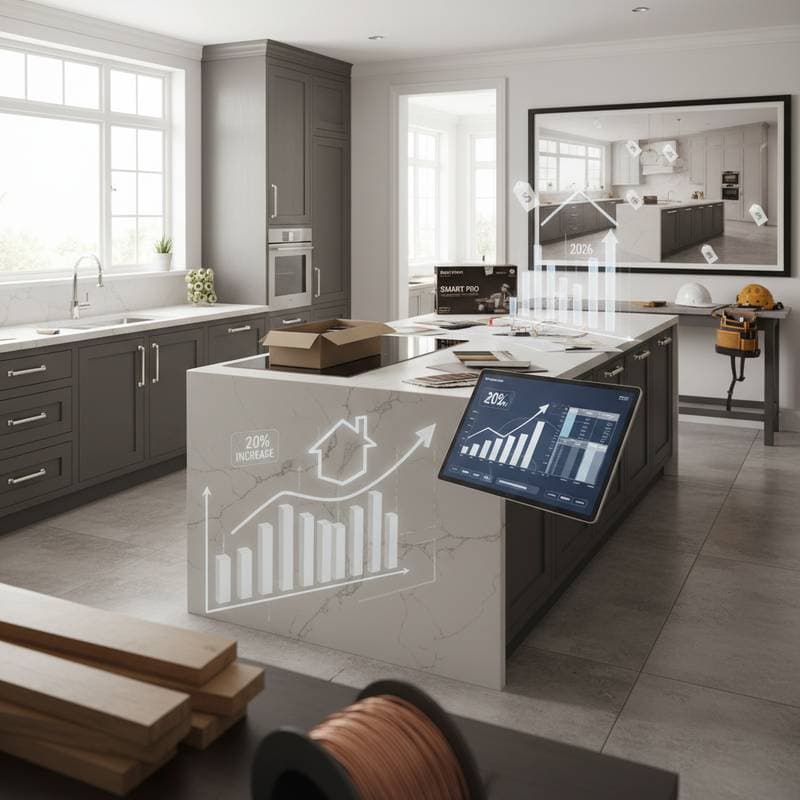
In recent building cycles, contractors note material price swings that exceed general consumer inflation. Lumber, copper wiring, and appliance parts depend on global supply chains yet to fully recover. Even modest inflation in these areas can elevate a kitchen remodel by ten to twenty percent compared to a similar project completed recently.
Systemic Factors Driving Kitchen Remodel Inflation
A kitchen remodel encompasses more than cabinetry and paint; it forms a complex mechanical and electrical system with plumbing, ventilation, lighting, and structural elements. Inflation influences each system in distinct ways:
- Cabinetry and Millwork: Wood products face above-average inflation from transportation costs and constrained domestic milling. Custom cabinetry using solid hardwoods or plywood proves particularly vulnerable.
- Appliances and Fixtures: Shortages of microchips and rising metal prices increase costs for induction cooktops, smart ovens, and efficient dishwashers. Manufacturers typically pass these hikes to distributors.
- Countertops and Surfaces: Imported quartz, granite, and sintered stone slabs encounter freight cost fluctuations. Engineered surfaces experience resin price rises tied to petrochemical inflation.
- Labor Costs: Demand exceeds supply for electricians, plumbers, and tile installers. Inflation raises their wages and insurance premiums, expanding the labor portion of project budgets.
- Mechanical Systems: Upgrades to range ventilation or energy-efficient water heaters involve specialized equipment linked to metal and component markets.
Regional Variations in Remodel Pricing
Inflation impacts regions unevenly, with high-demand areas or those short on contractors facing amplified pressures. Dense urban centers with permit delays often incur higher general contractor markups. In colder climates, energy-efficient appliances and insulation add upfront costs but yield utility savings over time. Warmer regions prioritize advanced ventilation and cooling, affecting design and mechanical budgets.
Local building codes interact with inflation as well. Stricter energy or ventilation standards demand extra materials or system upgrades. These enhancements boost long-term performance yet elevate initial expenses.
Cost Comparisons by System Type
| System Component | Typical Cost Range | Inflation Sensitivity | Longevity (Years) | Maintenance Level |
|---|---|---|---|---|
| Cabinetry | 25-40% of total | High | 20-30 | Moderate |
| Countertops | 10-20% | Moderate | 15-25 | Low |
| Appliances | 15-25% | High | 10-15 | Moderate |
| Plumbing & Electrical | 10-15% | High | 30+ | Moderate |
| Flooring & Finishes | 10-15% | Moderate | 10-20 | Low |
This table illustrates varying inflation effects across categories. Cabinetry and appliances show the greatest sensitivity due to reliance on global manufacturing for materials and technologies.
Budget Planning Under Inflationary Pressure
Effective planning under inflation involves creating a flexible budget with defined priorities. Contractors advise allocating at least ten percent of the total for potential price changes. Request itemized bids that distinguish material and labor costs to monitor inflationary impacts during execution.
Opt for materials from stable domestic supply chains to curb volatility. Locally produced cabinetry or regionally sourced stone avoids high transportation fees. Value-engineered options, such as semi-custom cabinets over fully custom ones, maintain quality while reducing exposure to inflation.
System Overview
Technology Type: Integrated kitchen mechanical and fixture system
Efficiency Rating: Varies by appliance, typically Energy Star certified with 15-20% higher efficiency than baseline models
Climate Zones: Applicable across DOE zones 1-8 with regional energy performance adjustments
Average Capacity: N/A (system-based)
Typical Lifespan: 15-25 years depending on materials
Installation Complexity: Moderate to complex depending on structural modifications
Code: Must meet local mechanical, electrical, and energy efficiency codes
Long-Term Performance and Value
Inflation increases initial costs, but efficient design and equipment choices generate lifecycle savings. Induction cooktops with high energy factors cut electrical use by up to 30% versus resistance models. Enhanced ventilation and insulation in cooking zones improve air quality and lessen HVAC demands. These benefits accumulate, offsetting higher upfront investments.
Durability plays a key role. High-quality drawer slides, hinges, and moisture-resistant cabinet materials prolong remodel life. Budget options may cut initial costs but require earlier replacements, raising long-term expenses. Assess components based on service life and maintenance needs to ensure cost-effectiveness amid inflation.
Integration with Existing Infrastructure
Proper integration of new kitchen elements with current plumbing, wiring, and structures cuts costs. Amid rising prices, reusing infrastructure gains importance. Retaining appliance positions prevents costly rerouting of gas or electrical lines. Switching to LED lighting circuits saves energy while leveraging existing wiring.
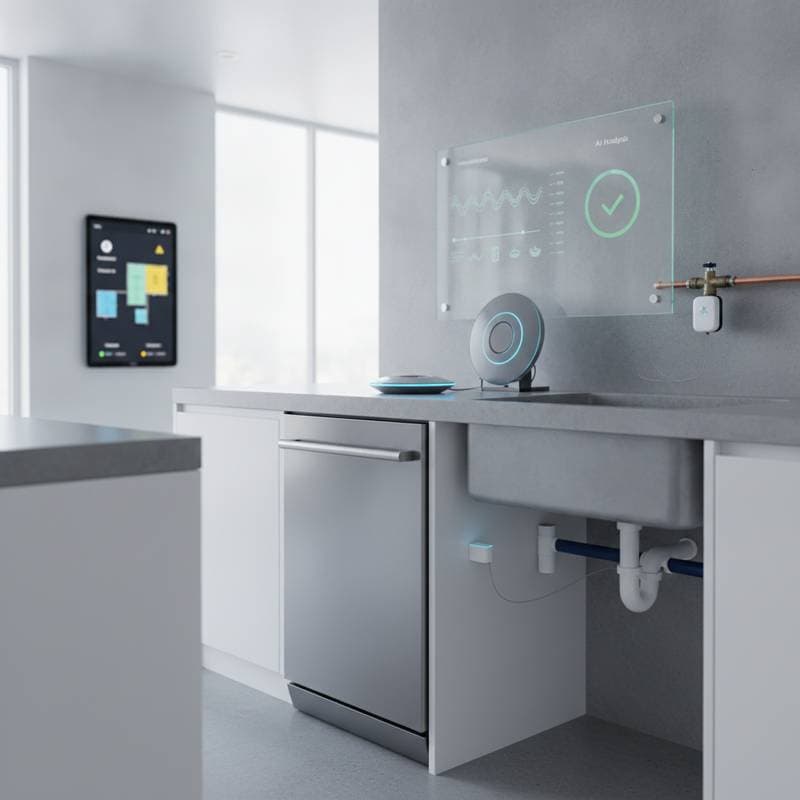
Smart home features increasingly shape kitchen design. Wi-Fi appliances, occupancy sensors, and zoned lighting enhance efficiency but require a reliable electrical foundation. Though inflation affects these prices, their operational savings often warrant inclusion in contemporary remodels.
Professional Coordination and Code Compliance
Inflation underscores the need for expert coordination. Licensed contractors, mechanical engineers, and inspectors guarantee adherence to safety and performance codes. Errors or rework prove costlier with pricier materials. Evolving energy codes necessitate higher appliance efficiencies and sealed ducting or ventilation.
Confirm that contractor estimates cover code compliance, permit fees, and inspection timelines. These elements have inflated, especially in bustling cities with extended municipal processing.
Strategies for Cost-Effective Remodeling
To navigate 2026 price hikes, prioritize essential upgrades like energy-efficient appliances that qualify for rebates. Schedule consultations early to lock in current rates for labor and select suppliers. Track market trends through industry reports to time purchases of volatile materials. These steps safeguard your budget while achieving a functional, future-proof kitchen.