Zero-Step Entries: Enhancing Accessibility and Home Resale Value
Homeownership brings opportunities to customize spaces for comfort, safety, and future value. One increasingly popular feature addresses these aspects effectively: the zero-step entry. This design element eliminates barriers at the entrance, allowing seamless transition from exterior pathways to interior floors. Homeowners who incorporate zero-step entries during renovations or new builds often report greater daily convenience and stronger appeal in the real estate market.
Planning such an upgrade requires understanding its benefits and implementation options. Zero-step entries align with universal design, a philosophy that promotes inclusivity for all users. Beyond accessibility, these entrances elevate curb appeal and position the property favorably among discerning buyers.
Understanding Zero-Step Entries
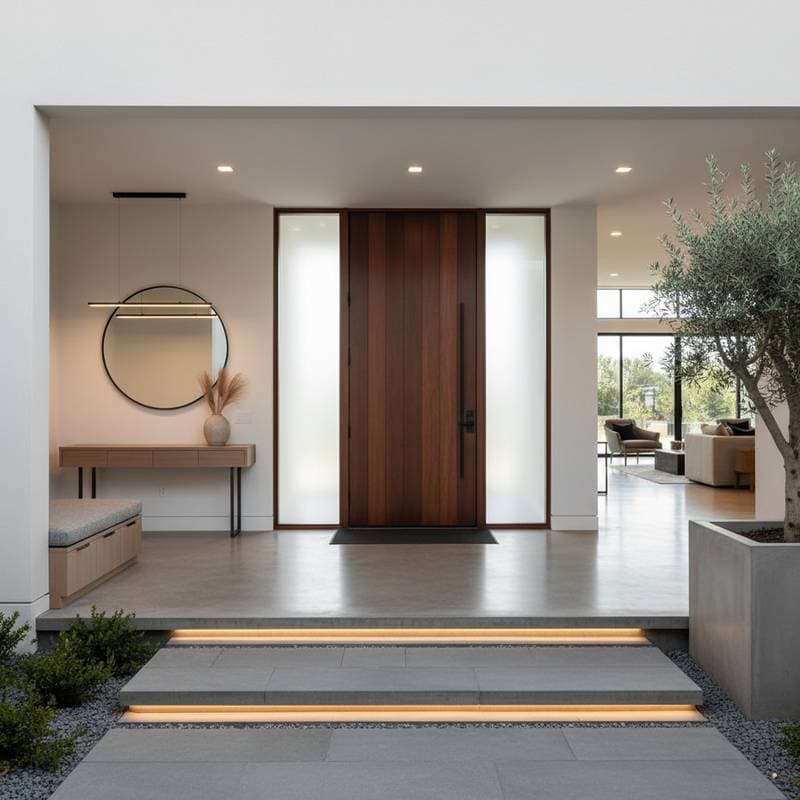
A zero-step entry creates a flush connection between the outdoor walking surface and the indoor floor, typically with a threshold height of no more than one-half inch. This setup contrasts with traditional entries that feature steps or elevated sills, which can pose challenges for various users. The design draws from universal design principles, ensuring usability across ages, abilities, and lifestyles.
Consider families navigating strollers or wagons loaded with supplies. Delivery personnel appreciate the ease of maneuvering packages without navigating obstacles. For individuals with temporary or permanent mobility needs, such as arthritis or post-surgery recovery, zero-step entries provide essential independence. In terms of aesthetics, these entrances integrate smoothly with contemporary architecture, using materials like composite decking or poured concrete to maintain a sleek appearance.
From a financial standpoint, properties with accessible features command higher prices. Real estate data indicates that homes with barrier-free designs sell faster and often at a premium of five to ten percent over comparable listings. This value addition stems from the growing demand for aging-in-place options, as more buyers prioritize long-term livability.
Identifying When Your Entry Requires Improvement
Traditional entries with steps or thresholds may seem functional until subtle issues emerge. Homeowners should inspect their entrances regularly to spot potential problems early. Addressing them promptly avoids escalation into major structural concerns.
Common indicators include cracked or uneven steps, which signal foundation settling or erosion beneath the surface. High thresholds that exceed one inch create barriers, complicating entry for wheeled devices or even standard footwear in wet conditions. Poor drainage around the door leads to pooling water, fostering mold growth or slippery surfaces.
Observe how guests interact with the space. If individuals using mobility aids hesitate or require assistance, the design falls short of inclusivity standards. Seasonal factors, such as ice buildup on steps during winter, amplify risks. Document these observations with photographs to inform decisions on upgrades.
Practical, Low-Cost Ways to Improve Accessibility
Not every homeowner needs a complete overhaul to achieve better entry flow. Start with targeted modifications that deliver immediate results without extensive disruption. These options suit budgets under five hundred dollars and can serve as prototypes for larger projects.
Portable aluminum ramps offer a quick solution for occasional use. Select models with adjustable heights and non-slip treads, available in widths from three to six feet to accommodate wheelchairs. Install threshold reducers, which are slim ramps or wedges made from rubber or wood, to bridge minor elevation changes up to two inches.
Enhance visibility with strategic lighting. Motion-activated LED fixtures mounted along the path and beside the door reduce accidents after dark. For pathways, opt for gravel or paver replacements that widen the approach to at least four feet, ensuring ample room for two people to pass comfortably.
Timing matters for cost savings. Coordinate zero-step modifications with existing plans, such as driveway resurfacing or landscaping. This integration minimizes labor expenses, as contractors can handle multiple tasks simultaneously. For instance, regrading the yard to a one-quarter-inch slope per foot toward the entry improves drainage while preparing for a flush threshold.
Homeowner Guide to Implementation
Skill Level: Suitable for beginners with basic tools; intermediate for minor site adjustments.
Essential Tools: Tape measure for precise dimensions, spirit level to verify even surfaces, hammer and screwdriver for installations, caulk gun with weatherproof sealant, shovel for soil adjustments, and outdoor-grade materials like concrete mix or pavers.
Ideal DIY Projects: Surface-level changes, such as applying threshold strips or installing pathway lights. These tasks require one to two days and focus on non-structural elements.
Professional Recommendations: Engage experts for tasks involving excavation, concrete work, or custom door frames. Professionals ensure compliance with building codes, particularly regarding slope ratios and load-bearing capacities.
Cost Breakdown: Expect to spend one hundred to five hundred dollars on DIY supplies, including ramps and sealants. Full professional installations range from two thousand to ten thousand dollars, influenced by factors like material choices and site complexity. For example, a basic concrete pad addition might cost three thousand dollars, while premium composite integrations approach eight thousand.
Boosting Energy Efficiency Through Design
Zero-step entries contribute to overall home performance by facilitating better environmental controls. Low-profile doors with energy-efficient seals prevent air infiltration, a common issue in stepped designs where gaps form over time. Pair these with insulated frames made from fiberglass or steel to achieve up to twenty percent savings on utility bills.
The seamless indoor-outdoor flow encourages efficient habits. Homeowners move furniture or groceries without propping doors open, preserving conditioned air inside. Integrate weather stripping along the threshold and sill to block drafts, and consider automatic door closers for added convenience.
In warmer climates, shaded entryways with zero steps reduce heat gain from direct sunlight on elevated porches. Cooler regions benefit from enclosed vestibules that maintain warmth. These enhancements not only lower costs but also appeal to eco-conscious buyers, further elevating resale prospects.
Prioritizing Safety in Every Detail
Safety forms the foundation of any entry redesign. Select slip-resistant materials, such as textured porcelain tiles or broom-finished concrete, to handle rain, snow, or dew. Aim for a coefficient of friction above zero point six on these surfaces to meet safety benchmarks.
Design the approach with a maximum slope of one-eighth inch per foot to prevent fatigue or falls. Incorporate subtle handrails, perhaps integrated into decorative columns, for support without compromising aesthetics. Position them at thirty-four to thirty-eight inches high, extending beyond the entry for full coverage.
Lighting plays a critical role in hazard prevention. Install fixtures that provide uniform glow, avoiding shadows from overhanging eaves. Pathway markers with ground-level LEDs guide users effectively, while door-adjacent lights highlight hardware. Test setups at dusk to confirm adequate coverage without excessive brightness.
Integrating Universal Design for Broader Appeal
Universal design extends beyond the entry to encompass the entire home, promoting adaptability for diverse needs. A zero-step entrance serves as an inviting gateway to features like thirty-six-inch doorways and adjustable-height counters. These elements signal foresight, attracting multigenerational families or buyers planning for future modifications.
In the marketplace, such homes stand out. Agents emphasize barrier-free access in listings, noting its role in reducing modification costs for new owners. Studies show that inclusive designs increase perceived value, with premiums reflecting the convenience of move-in-ready accessibility.
Combine the entry with smart technology, such as keyless locks or automated thresholds, to modernize further. This holistic approach not only boosts immediate usability but also future-proofs the property against evolving lifestyle demands.
Steps to Achieve Your Zero-Step Upgrade
Transforming your entry begins with a thorough assessment. Measure current thresholds and slopes, then sketch potential layouts using graph paper or free design software. Consult local codes to understand requirements for drainage and accessibility.
Budget accordingly, allocating funds for materials, labor, and permits. Gather quotes from three contractors to compare approaches, focusing on those experienced in universal design. For DIY enthusiasts, start small to build skills before tackling comprehensive changes.
Monitor progress with milestones, such as completing grading before pouring surfaces. Upon completion, maintain the area by resealing annually and clearing debris to preserve functionality. These efforts ensure the upgrade delivers lasting safety, efficiency, and value.
Realizing Long-Term Home Benefits
A zero-step entry represents a strategic investment in your property's future. It fosters an environment of inclusivity and ease, benefiting current residents while enhancing market position. Homeowners who prioritize these features often enjoy heightened satisfaction and financial returns upon selling.
Reflect on how this change aligns with your vision for the home. Whether for personal comfort or resale preparation, the result is a more welcoming space that stands the test of time.