Grid Outages in 2026: The Role of Home Batteries in Reliable Power
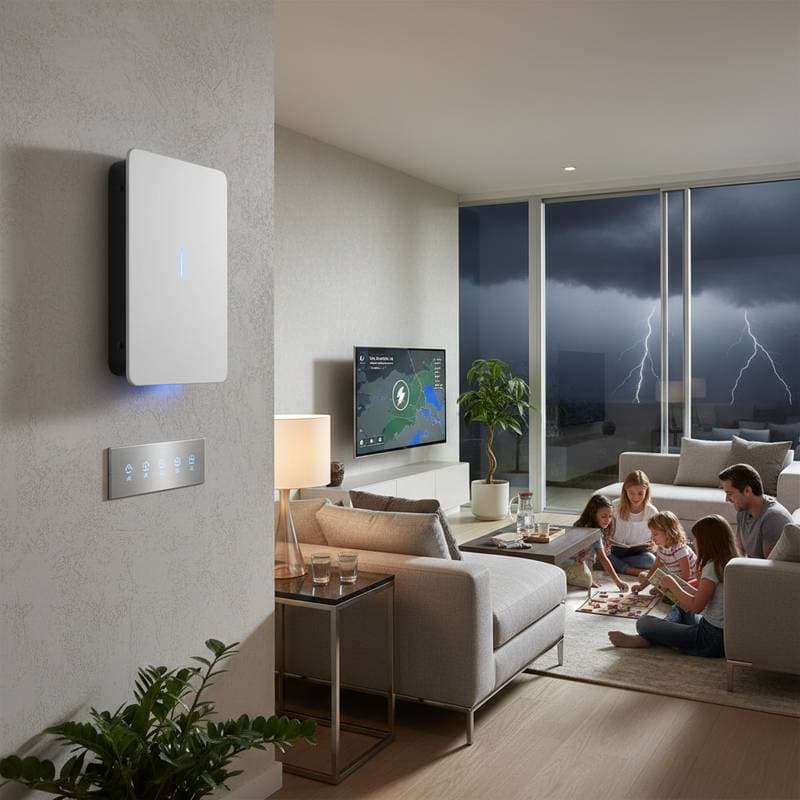
Power outages occur more frequently due to aging electrical infrastructure, severe weather events, and growing energy demands. These disruptions affect remote work arrangements, food preservation, and the operation of critical medical devices, posing risks to household safety. Homeowners increasingly adopt battery systems to maintain power for key circuits during grid failures.
Home battery installations offer stored energy that activates seamlessly when needed. Such systems provide stability in an era of unreliable utilities.
The Growing Need for Home Battery Systems
Grid reliability declines as utilities face challenges in upgrading networks. Backup power transitions from optional feature to essential component for residences. Solar panels generate energy effectively, yet they deactivate during outages to safeguard utility personnel. Batteries address this limitation by storing excess power and supplying it independently when the grid disconnects.
Lithium battery material prices vary with global supply issues and import tariffs. Demand for installations rises nonetheless, as individuals prioritize autonomy in energy management. A properly dimensioned battery sustains lighting, cooling units, and connectivity devices without interruption.
Installation Options: DIY or Professional Services
Homeowners with electrical experience might consider self-installation for minor projects. Research into high-voltage operations and regulatory standards often leads to professional involvement. Risks of electrical hazards or fires make expert assistance imperative for most setups.
Key Considerations for DIY Installation:
- Applicable primarily to compact, low-voltage off-grid configurations.
- Necessitates obtaining electrical permits and undergoing inspections.
- Home insurance policies may invalidate coverage for installations by unlicensed individuals.
Advantages of Professional Installation:
- Guarantees adherence to current electrical regulations.
- Incorporates balanced load distribution and essential safety mechanisms.
- Typically includes a 10-year warranty covering labor and materials.
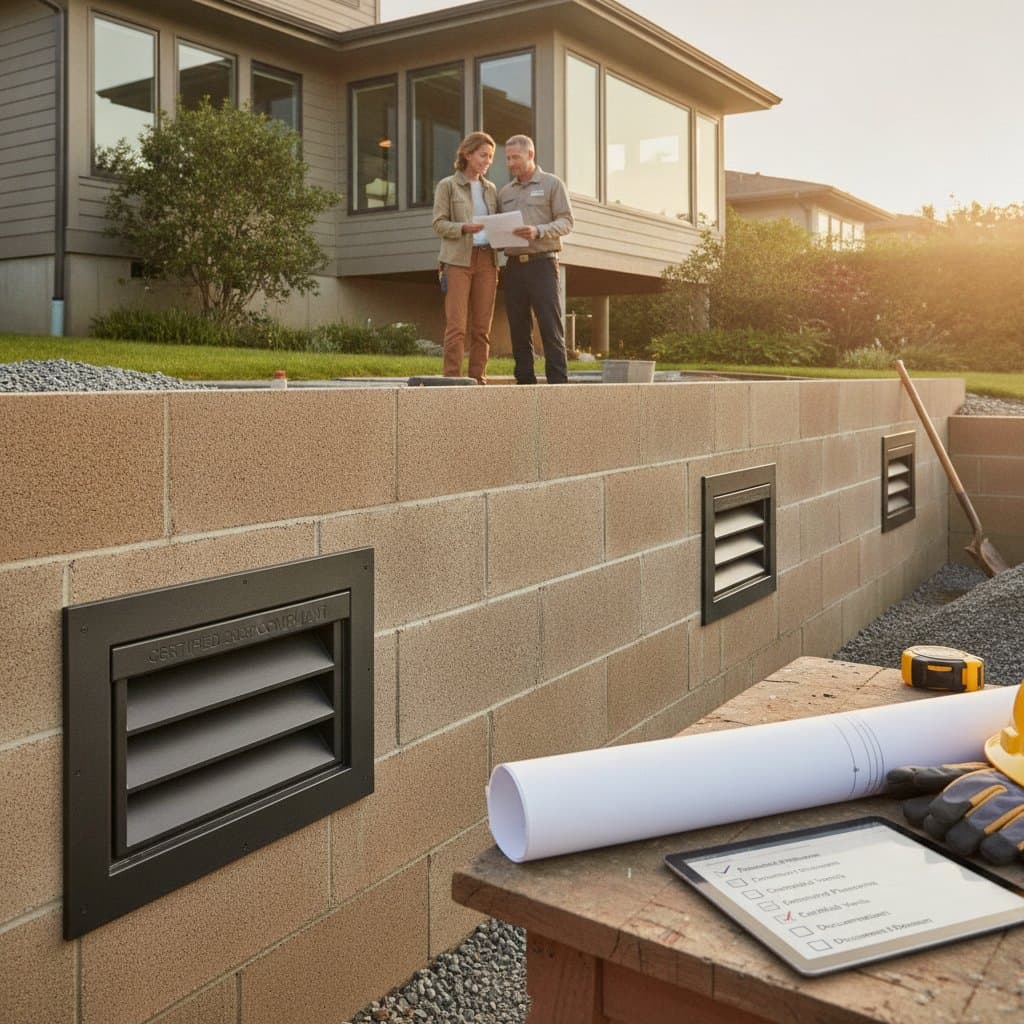
Professional services prove essential for complex projects. Certified experts navigate utility interconnection requirements, streamlining the administrative process.
Selecting an Optimal Home Battery System
Battery systems differ in performance and suitability. Evaluate these primary attributes to match the choice to household requirements.
Capacity Requirements
Typical selections range from 10 to 20 kilowatt-hours of storage capacity. A 10 kWh unit supports basic needs such as illumination, refrigeration, and office equipment for approximately one day. Residences with higher demands or solar integrations often select 20 kWh or greater capacities to extend coverage.
Battery Chemistry Options
Lithium-iron-phosphate batteries command a modest premium over lithium-nickel-manganese-cobalt variants, yet they offer enhanced safety and durability. High-quality lithium-iron-phosphate units endure 4,000 to 6,000 charge cycles, ensuring prolonged service life.
System Integration Features
Compatibility with existing solar installations represents a critical factor. Leading models, including the Tesla Powerwall and Enphase IQ Battery, integrate effortlessly with solar setups. These allow recharging from solar sources during daylight, even amid grid interruptions.
Durability in Varied Conditions
Outdoor placements demand robust weatherproof enclosures with thermal controls. Extreme temperatures accelerate battery degradation, underscoring the importance of protective housing designs.
Upkeep and Expected Lifespan
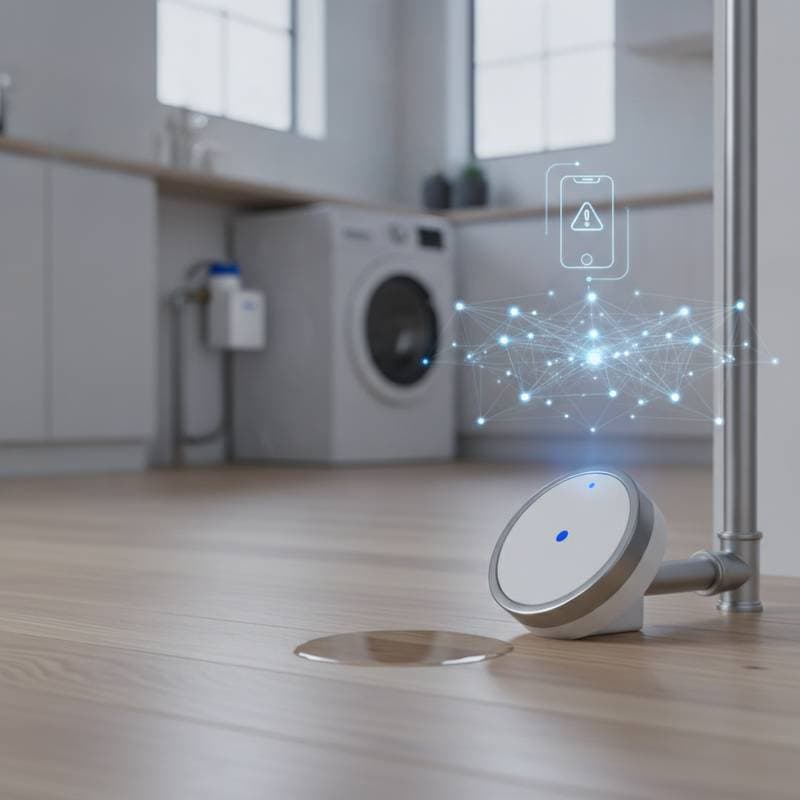
Contemporary battery systems demand minimal routine maintenance. Annual reviews confirm operational integrity, including self-diagnostic functions. Examine the surrounding area for accumulations of dust, infestations, or dampness to prevent issues.
Maintain unobstructed ventilation paths and refrain from placing obstructions near the unit. In areas prone to regular outages, arrange biennial professional evaluations for firmware enhancements and hardware assessments. As production scales and market competition intensifies, replacement expenses after 10 to 15 years should decrease significantly.
Steps to Implement a Home Battery System
- Evaluate Power Requirements. Determine priority circuits for outage scenarios, such as refrigeration, general lighting, internet access, and health-related equipment.
- Research Available Incentives. Consult utility providers or regional energy authorities for applicable rebates and tax credits.
- Obtain Comparative Quotes. Solicit bids from at least three qualified installation firms.
- Confirm Credentials. Verify that contractors hold state-specific certifications for energy storage projects.
- Prepare Installation Location. Ensure the site remains accessible and provides sufficient space adjacent to the main electrical panel.
- Arrange Timing. Select installation periods outside of high-risk weather seasons to minimize disruptions.
- Conduct Functionality Tests. Simulate grid failure post-installation to validate system performance across all components.
Sustained Advantages of Home Battery Ownership
Home batteries deliver ongoing value through energy independence and cost efficiencies. They enable optimal use of renewable sources, lowering utility bills over time. During outages, these systems preserve daily routines and protect valuable assets. Investment in a battery setup fosters resilience, transforming vulnerability into dependable control for future uncertainties.