Estimating Savings with Smart Window Tint in 2025
Energy-efficient home upgrades vary widely in effectiveness and effort required. Smart window tint stands out as a reliable option that has gained accessibility in recent years. Prices remain stable, and professional installations simplify the process, allowing homeowners to decrease energy use while enhancing living spaces.
The following sections outline key aspects of smart window tint for the 2025 market. These include precise cost estimates, anticipated energy reductions, and scenarios where returns justify the investment.
How Smart Window Tint Functions
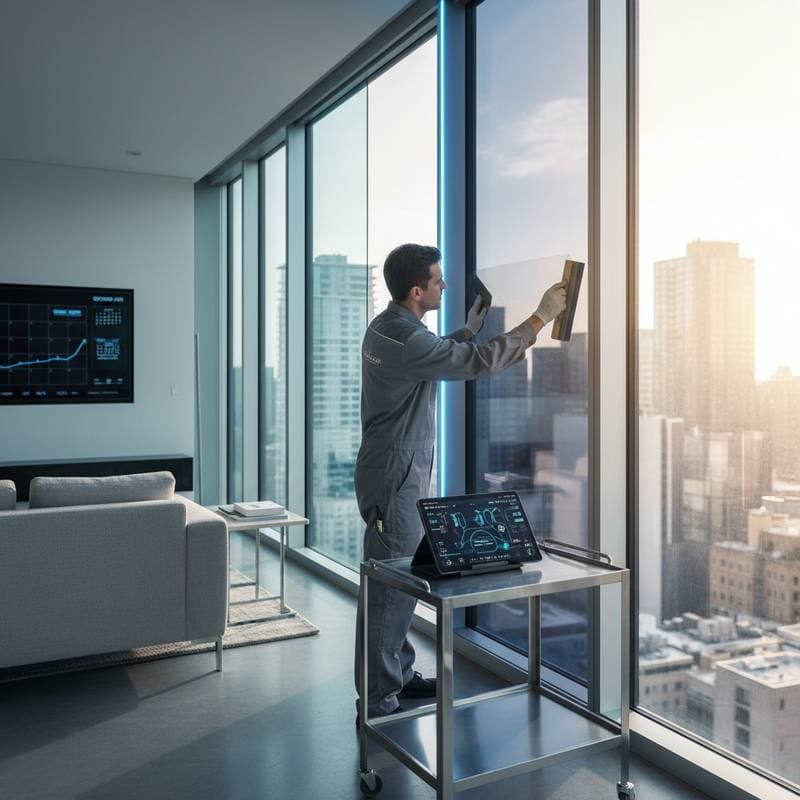
Smart window tint, or electrochromic glass, shifts from clear to tinted states through manual controls or automated sunlight detection. This mechanism blocks excessive summer heat, maintains winter insulation, and reduces glare without the need for bulky blinds or drapes.
Homeowners who install electrochromic windows on sun-exposed sides report immediate benefits. Affected rooms stay cooler during intense afternoon sunlight, and heating, ventilation, and air conditioning units run less often. This technology embeds directly into the glass structure, providing a superior alternative to surface-applied tint films.
Deciding Between DIY and Professional Installation
Home improvement projects benefit from careful evaluation of personal skills versus expert involvement. Smart window tint requires assessment of project scale and technical demands.
DIY Options
- Retrofit film kits: Certain brands offer self-adhesive electrochromic films powered by a simple transformer. These suit single windows or compact areas, with costs ranging from $500 to $1,000 for basic configurations.
- Required expertise: Intermediate level, demanding careful handling, accurate measurements, and fundamental electrical understanding.
Professional Installation Recommendations
- Comprehensive home systems: For unified control via switches or smart home platforms, engage certified installers and electricians to ensure seamless integration.
- Elevated or expansive windows: Ladder work combined with wiring poses hazards; professionals provide specialized equipment and safety protocols.
- Warranty protection: Manufacturers typically validate guarantees only for installations performed by qualified experts.
Professionals prove essential for electrical integrations to prevent hazards like shorts or warranty invalidation. The modest additional expense often outweighs potential risks.
Calculating Energy Savings
Smart window tint lowers expenses by easing the load on heating, ventilation, and air conditioning systems. Savings vary based on window directions, surface areas, and regional weather patterns.
Research and field observations indicate the following averages:
- Cooling reductions: 15 to 25 percent for typical residences.
- Heating reductions: 8 to 12 percent in cooler regions.
- Yearly savings estimate: $200 to $600 across most households.
In sunny, warm climates, annual benefits may reach $800. With a 20-year durability, cumulative savings could exceed $10,000 in energy expenses. Additionally, the system blocks up to 95 percent of ultraviolet rays, safeguarding interiors from fading and deterioration, which prevents further costs for replacements.
Available Incentives and Financing for 2025
Energy conservation initiatives increasingly recognize electrochromic glass as a qualifying enhancement. These supports can offset initial expenses by 10 to 30 percent, contingent on location.
Key resources include:
- Utility rebates: Local providers frequently rebate funds for approved smart glass projects.
- Tax credits: Certain states or regions credit advanced materials that promote efficiency.
- Payment plans: Eco-friendly loans or utility-based financing distribute costs over multiple years.
Programs evolve regularly, so verification with regional energy authorities precedes any purchase.
Maintenance and Longevity Considerations
Smart window tint demands minimal routine care. Standard glass cleaners with mild soap and water suffice, while avoiding ammonia products that might harm films or seals.
Periodic inspections should address:
- Inconsistent tint levels: Often due to connection issues or control malfunctions.
- Delayed activation: Signals potential power supply wear requiring updates.
- Interior moisture buildup: Indicates seal breaches, generally warrantied.
Such problems occur infrequently. Systems endure for decades under light oversight.
Steps to Adopt Smart Window Tint
Targeted implementation maximizes benefits from smart window tint. Begin by surveying the home to identify high-sunlight areas, such as living rooms or kitchens facing south.
Prioritize these zones for initial upgrades to experience rapid improvements in temperature control and utility reductions. Over time, expanded coverage amplifies overall efficiency and comfort. This approach delivers tangible daily advantages, justifying the investment in advanced home technology.