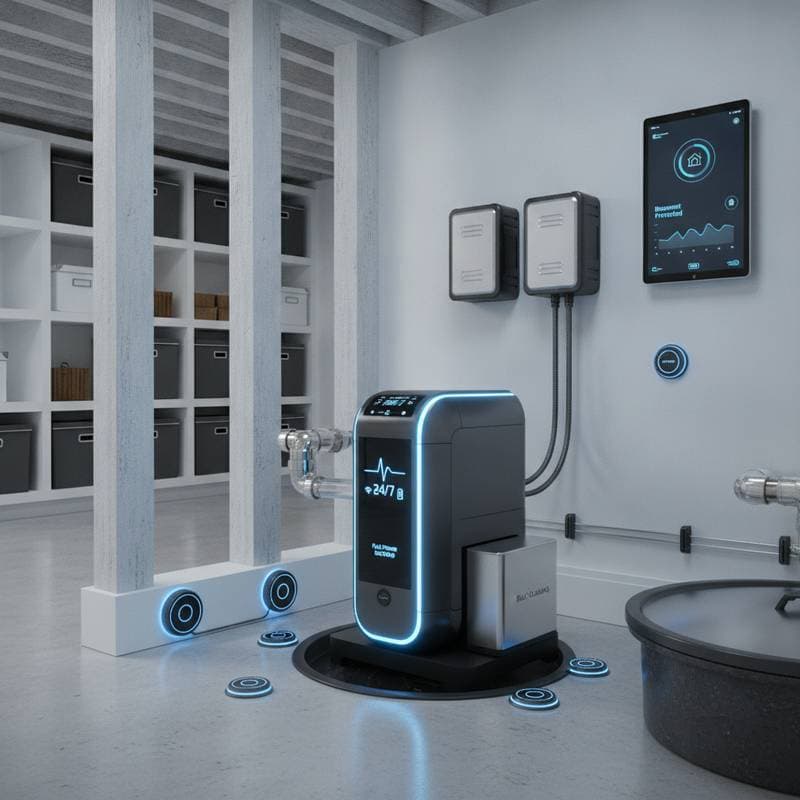
2026 Sump Pump Innovations for Flood-Proof Basements
Homeowners face ongoing responsibility to protect their properties from water damage. A flooded basement ranks among the most disruptive issues possible. Recent advances in sump pump design now deliver monitoring, automated responses, and layered safeguards that reduce risk without constant manual oversight.
This overview explains current technology options and practical steps to maintain reliable performance throughout the year.
Essential Maintenance Tasks
Routine checks keep any sump pump operating at peak capacity. Neglect can lead to sudden failure during storms.
Perform these steps several times each year:
- Verify the pump connects to a dedicated electrical outlet free from other high-draw devices.
- Test the float switch by adding water to the pit and confirming automatic activation.
- Clear debris from the sump pit to prevent intake blockage.
- Inspect the discharge pipe for obstructions or seasonal ice accumulation.
- Note any grinding or rattling sounds that indicate motor wear.
Consistent attention to these items supports dependable operation when heavy rainfall occurs.
Smart Sump Pump Technology
Connectivity features represent the primary advance in current models. These units link to phone applications that report water levels, power status, and service needs in real time.
Key capabilities include wireless monitoring from any location, self-diagnostic reports sent directly to the user, integrated battery systems that engage during outages, and compatibility with broader home automation platforms. Such functions provide reassurance for property owners who travel frequently.
Budget-Friendly Solutions
Protection remains available across different price points. Basic pedestal pumps suit smaller pits and limited water volume at the lowest cost. Submersible units offer quieter performance and improved efficiency for moderate investment. Full systems that pair a primary pump with a backup unit and remote alerts deliver maximum security for higher budgets.
Additional spending on robust components typically offsets future repair expenses.
Backup Systems That Keep You Flood-Proof
Power interruptions disable standard pumps. Multiple backup approaches address this vulnerability.
Battery units supply several hours of continued operation and often include automatic recharge functions. Water-powered backups rely on municipal pressure to create suction without electricity. Dual-pump housings activate a secondary unit automatically if the main motor stops. Layering these options creates redundancy that handles extreme conditions.
Energy Efficiency and Noise Control
Newer motors consume less power and incorporate automatic shutoff. Submersible designs reduce sound because surrounding water dampens vibration. A simple rubber pad beneath the base further limits noise transmission.
Frequent cycling or excessive volume may indicate improper sizing. A qualified technician can assess pit dimensions and recommend appropriate capacity.
Professional Support and Scheduling
Periodic expert review benefits even experienced homeowners. Technicians evaluate flow rates, identify concealed leaks, and confirm proper discharge. Areas with recurring storms benefit from inspections scheduled ahead of peak rainfall periods.
Select contractors who hold current licenses, offer written warranties, and provide clear cost estimates before work begins.
Selecting the Right System for Your Home
Match pump type and features to local water table conditions and household needs. Homeowners who combine regular maintenance with smart monitoring and backup power achieve consistent dryness. This approach minimizes emergency repairs and preserves property value over time.