Reduce HVAC Costs by 30 Percent with Biophilic Indoor Plants
Homeowners seek innovative methods to lower energy expenses while preserving comfort levels. One effective approach involves placing the appropriate indoor plants on windowsills or shelves. These plants extend beyond visual appeal; they enable savings of up to 30 percent on HVAC costs by moderating indoor temperature and humidity levels. From experience renovating several residences with energy conservation in focus, biophilic design proves valuable not only for appearance but also for functionality, supporting comfort, air purity, and reduced utility payments.
Initial integration of live plants into home interiors raised doubts about their impact on energy statements. However, following a summer with consistent indoor climates and reduced HVAC operation, the contribution of plants became evident.
The Mechanism Behind Biophilic Design and Energy Reduction
Biophilic design emphasizes links between interior environments and natural elements, such as vegetation, organic textures, and illumination variations. Practically, this approach diminishes reliance on artificial climate control mechanisms.
Through transpiration, plants emit vapor that elevates humidity in arid conditions. In summer periods, this vapor aids in natural air cooling. During winter months, the increased humidity creates a perception of greater warmth, permitting thermostat adjustments downward by several degrees. Together, these influences decrease HVAC demands by 20 to 30 percent across numerous households.
Clusters of plants positioned adjacent to sunlit windows serve as organic barriers, capturing solar rays and minimizing thermal conduction. Consequently, air conditioning units operate less intensively during daylight hours. This adjustment yields noticeable reductions in periodic energy expenditures over extended durations.
To maximize these advantages, select plants known for high transpiration rates, such as peace lilies or Boston ferns. Position them in areas prone to temperature fluctuations, like south-facing rooms, where they can influence airflow patterns effectively.
Evaluating Options: Self-Managed Implementation Versus Expert Assistance
Many residents manage this initiative independently, yet certain scenarios warrant professional input. Situations involving suboptimal air circulation, surplus moisture, or fungal concerns require assessment by a certified energy auditor or HVAC technician prior to plant introduction. While vegetation aids efficiency, it does not resolve foundational issues related to air exchange or thermal barriers.
For comprehensive biophilic setups incorporating vertical gardens or automated watering, engaging a landscape architect or plant specialist prevents expensive errors. Such services typically range from $500 to $2,000, influenced by spatial intricacy and material selections.
Safety consideration: Position substantial, moisture-retaining containers away from power sources or ventilation outlets. Accumulated dampness may lead to deterioration or microbial proliferation without vigilant oversight.
Before proceeding, conduct a home audit using a basic thermometer and hygrometer to baseline current conditions. This data informs plant choices and placement for targeted improvements.
Essential Care Practices for Sustained Performance
The efficacy of a plant-based energy strategy depends on the vitality of the foliage. Declining or excessively saturated specimens may counteract gains by fostering mold and impeding air movement. Establish a straightforward regimen to preserve plant health:
- Irrigation: Apply water once or twice weekly, adjusted to prevailing moisture readings.
- Leaf cleaning: Wipe surfaces monthly to optimize light absorption for photosynthesis.
- Repositioning: Rotate containers biweekly to ensure uniform illumination.
- Trimming: Excise discolored foliage immediately to avert disease spread.
Acquire a humidity gauge for approximately $15 to evaluate the environmental equilibrium provided by plants. Target humidity levels from 35 percent to 55 percent to foster both occupant well-being and system efficiency.
Incorporate low-maintenance varieties like snake plants or spider plants for beginners. These tolerate varied conditions and contribute reliably to humidity control without demanding constant attention.
Expanding Implementation: From Initial Steps to Comprehensive Systems
Adopt a gradual method to build confidence and observe outcomes. Initiate with resilient varieties suited to available illumination and area constraints. As indoor climates stabilize, progress to expansive specimens or modular green panels.
Follow this structured plan:
- Evaluate illumination and circulation: Pinpoint zones experiencing excessive heat or aridity.
- Select synergistic varieties: Combine species that regulate moisture and provide shading.
- Procure durable containers: Opt for self-regulating hydration units to minimize effort and excess watering.
- Observe moisture trends: Record sensations of comfort pre- and post-installation.
- Refine climate controls: After environmental steadying, modify settings marginally and review energy consumption.
Track progress with a digital log or utility application monitoring HVAC activity. Reductions in operational frequency and steadier temperatures often emerge within the first season.
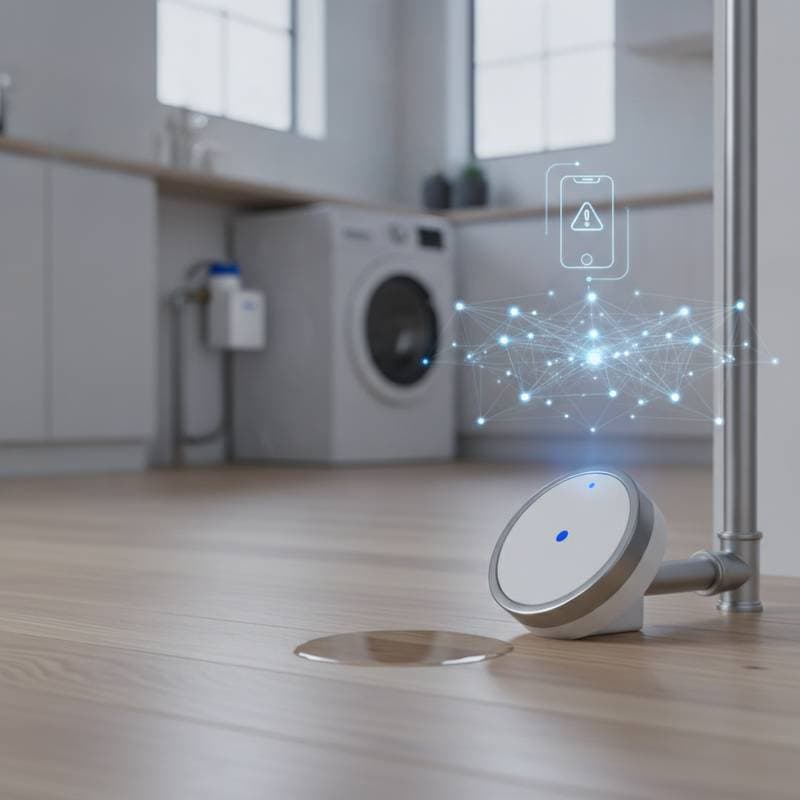
Consider integrating smart sensors for automated alerts on watering needs, enhancing the system's reliability without added complexity.
Sustaining Biophilic Enhancements for Ongoing Gains
Biophilic elements deliver upgrades that enhance both performance and daily habitation. Beyond financial savings, they elevate the sensory quality of interiors through verdant serenity, refined atmosphere, and equilibrated moisture. These factors culminate in residences that support health and tranquility year-round.
Regular seasonal reviews ensure adaptations to changing light or humidity demands. This proactive stance maximizes returns on the initial outlay while deepening the connection to natural rhythms within the home.