Plants Can Cut Your HVAC Bills by 30 Percent
Biophilic

Plants Can Cut Your HVAC Bills by 30 Percent

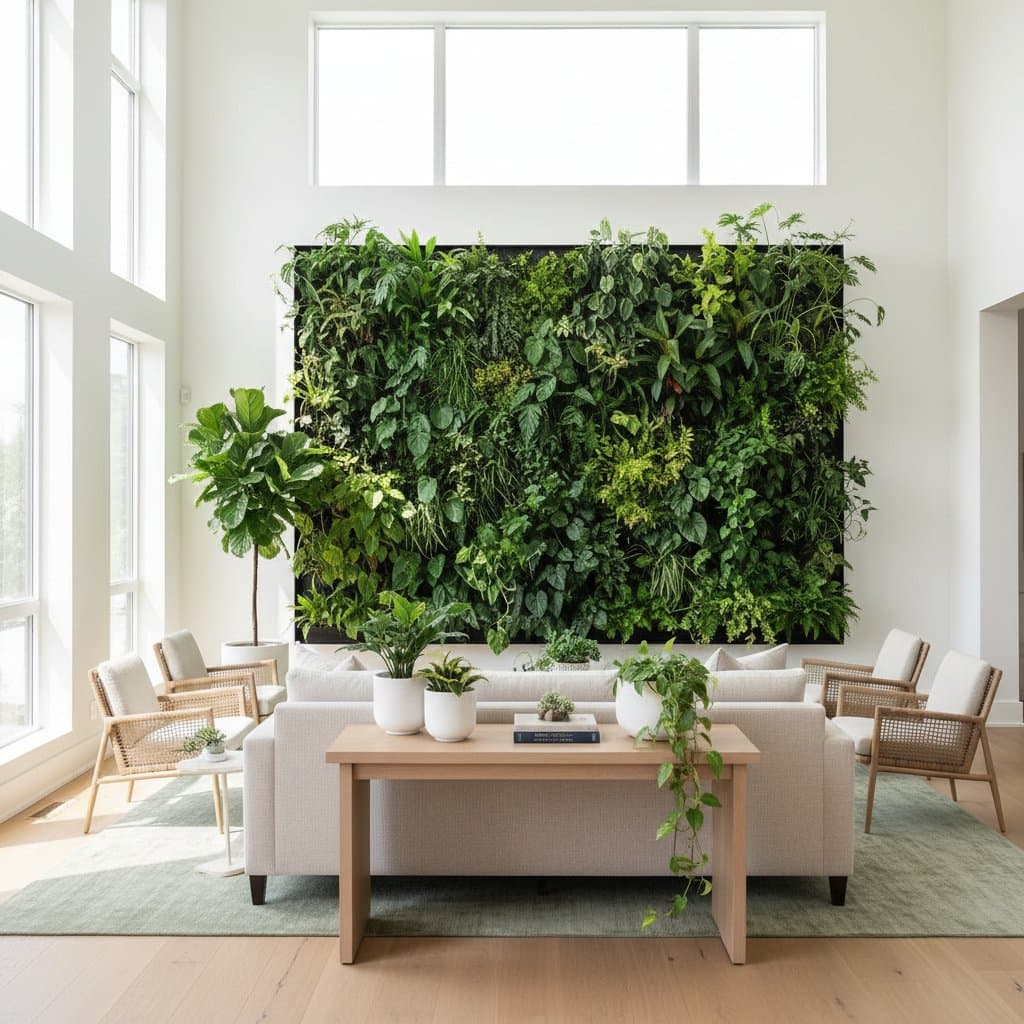
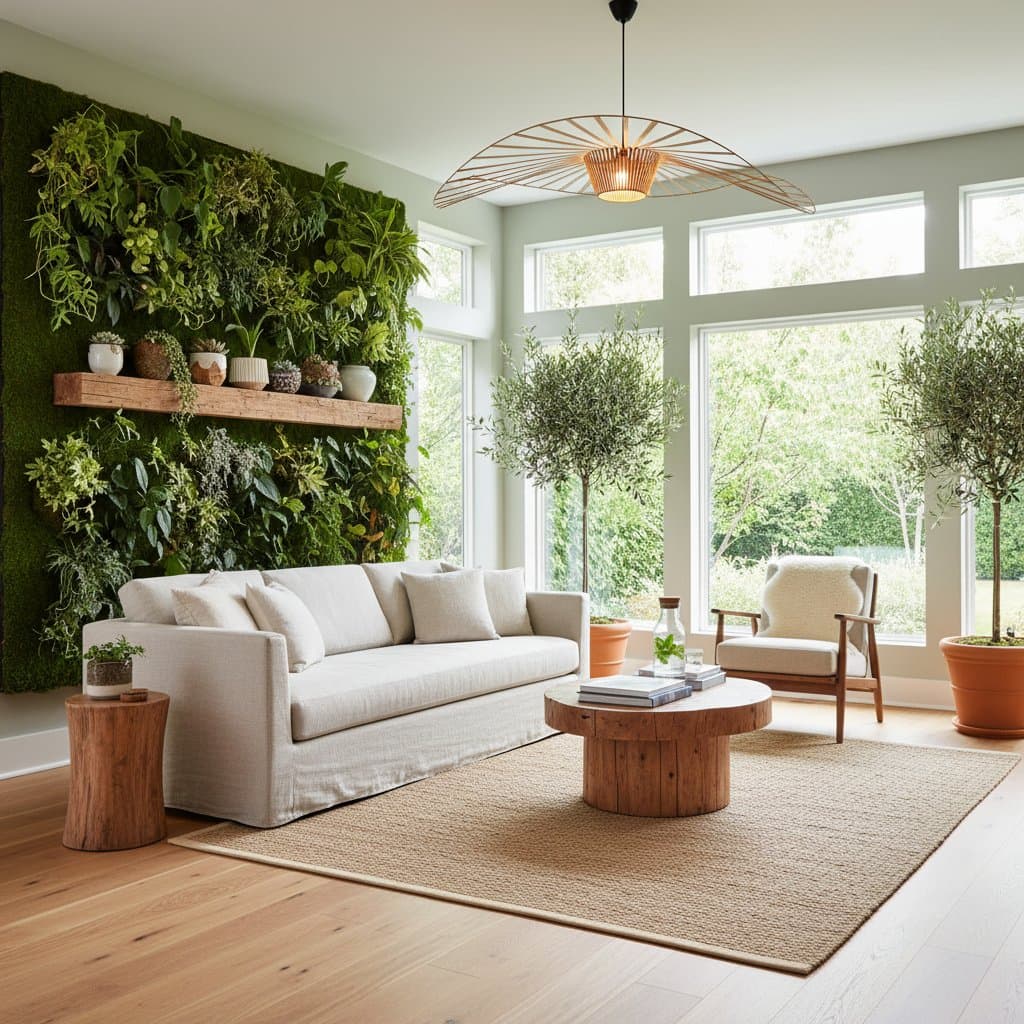
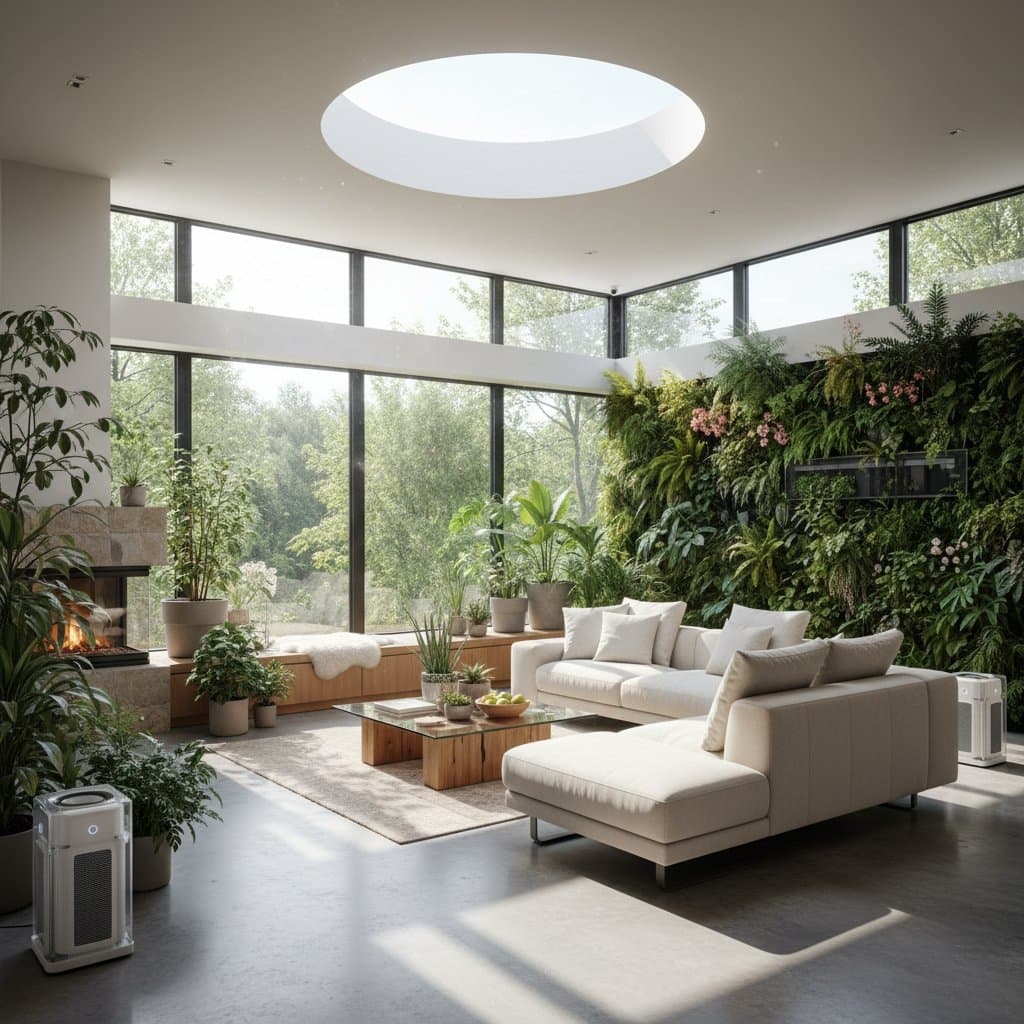
Biophilic design uses indoor plants to regulate temperature, humidity, and air quality, potentially reducing HVAC energy use by 30 percent. Thoughtful selection and placement of plants improve home efficiency, aesthetics, and health, offering cost savings and natural tranquility.

By Kelly AlyseFebruary 7, 2026
Read Article

More articles tagged #Biophilic

Explore our collection of biophilic related content

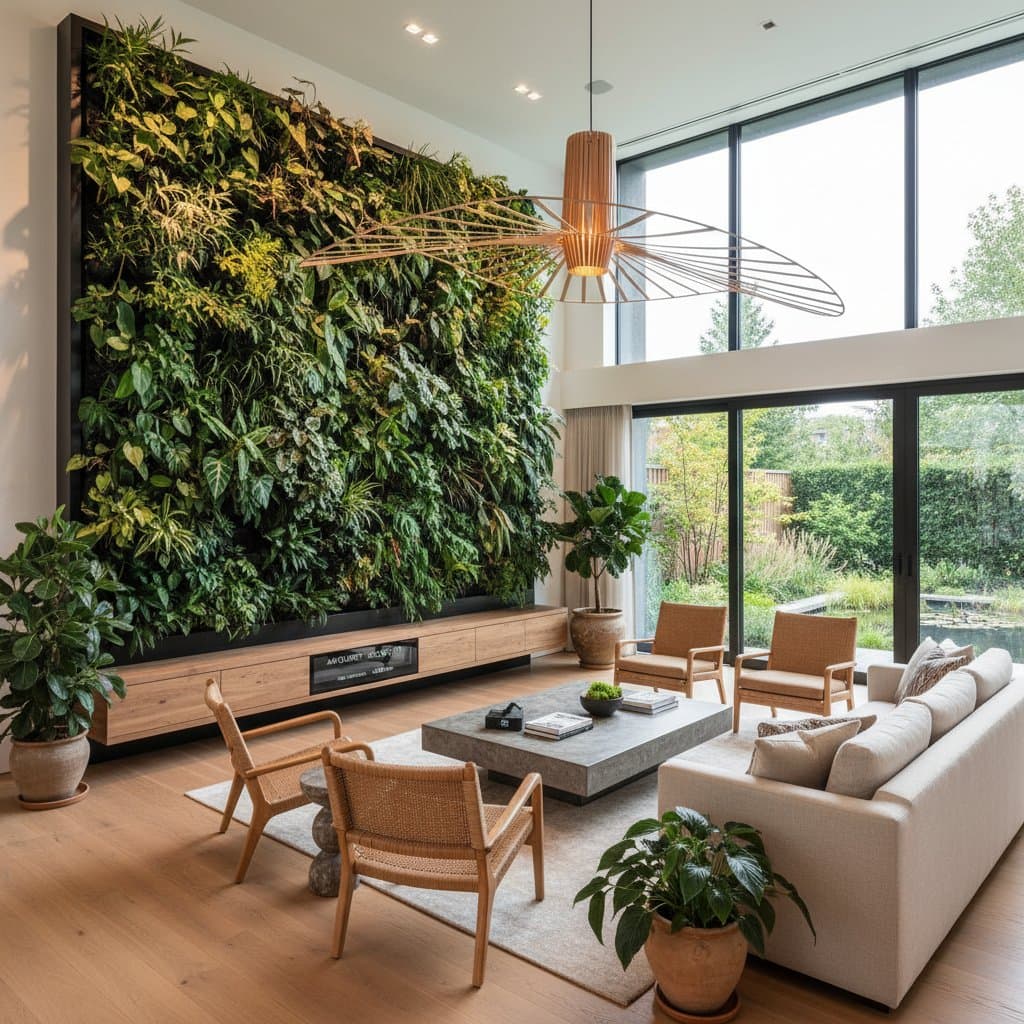
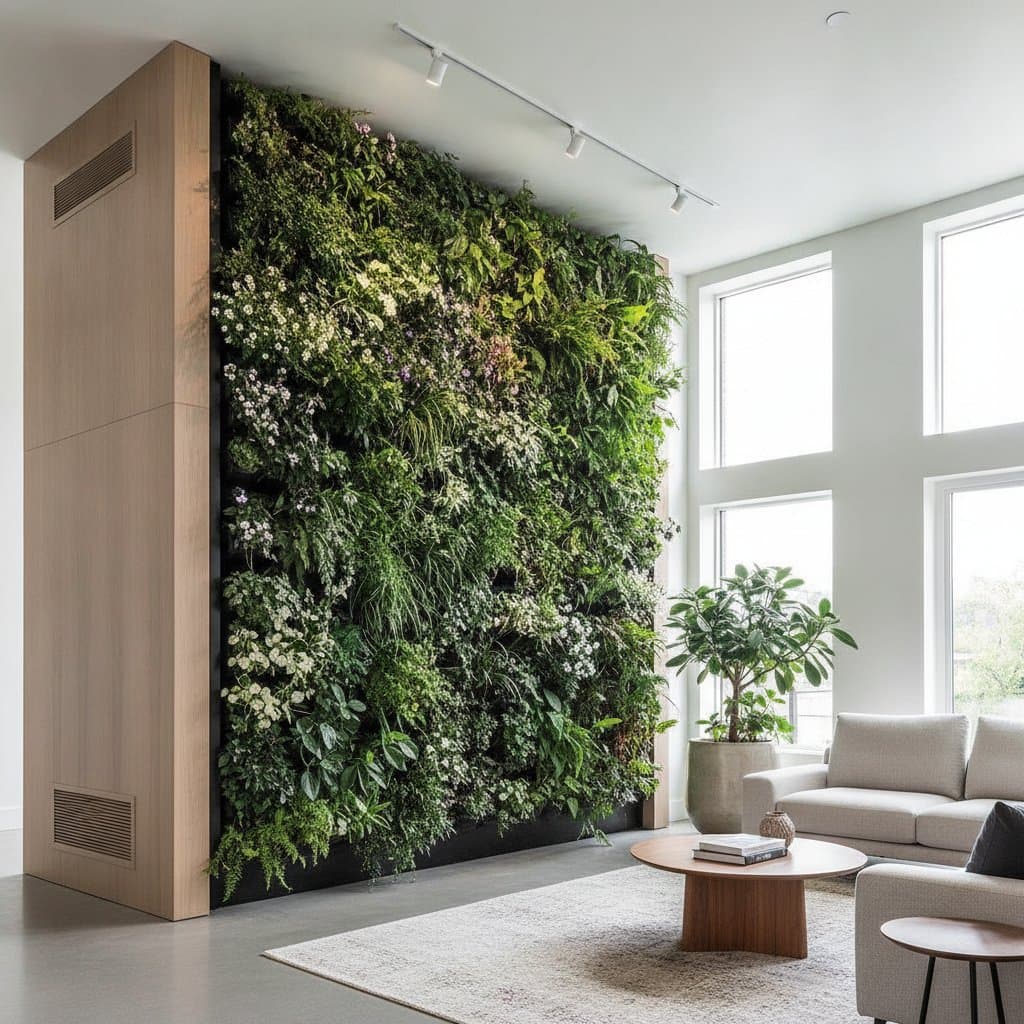
Plant Walls Cut HVAC Costs 30% with Biophilic Design

Plant Walls Cut HVAC Costs 30% with Biophilic Design

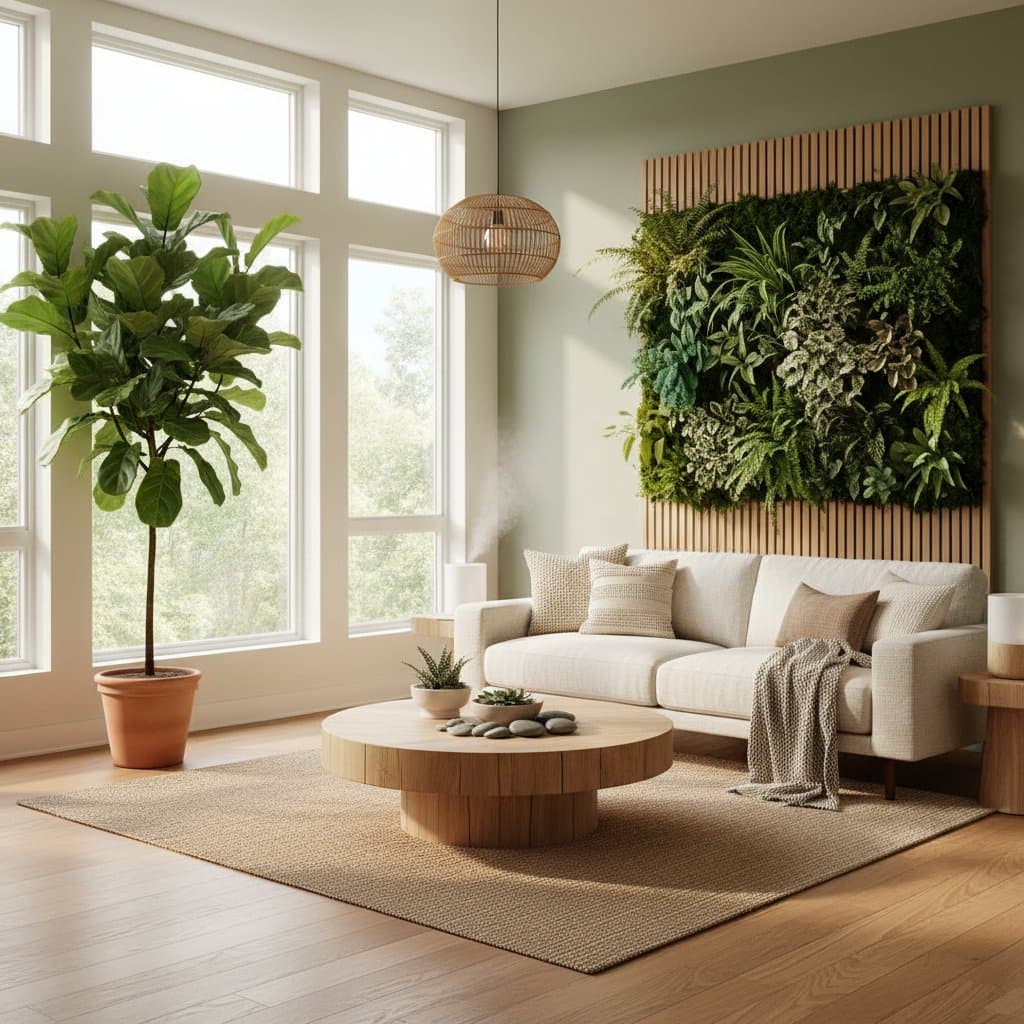
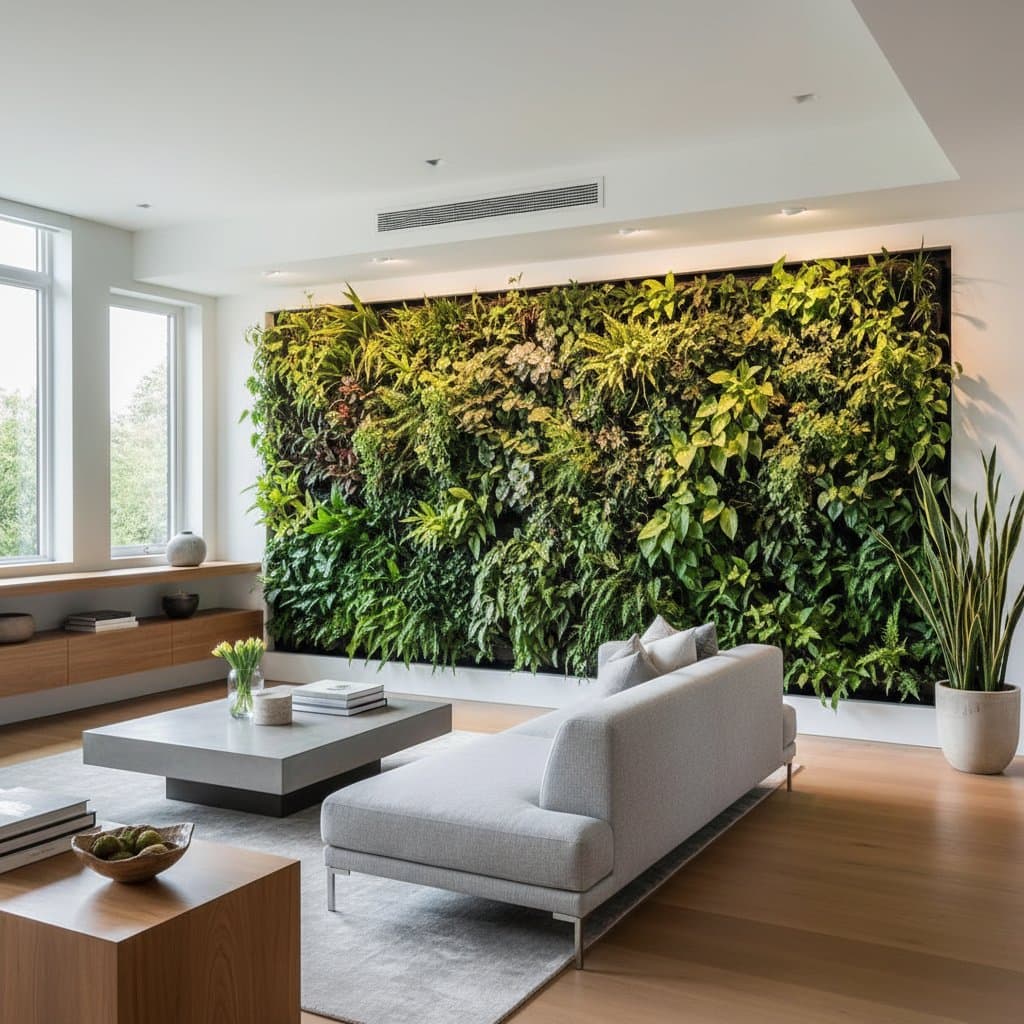
Living plant walls integrate aesthetic appeal with functional benefits, reducing HVAC energy consumption by up to 30 percent. These systems leverage evapotranspiration, shading, and insulation to manage temperature and air quality in various climates. Although installation presents challenges, the enduring savings, robustness, and wellness advantages position biophilic walls as a wise choice for energy-efficient, sustainable residential design.

Charlie McCannJan 30
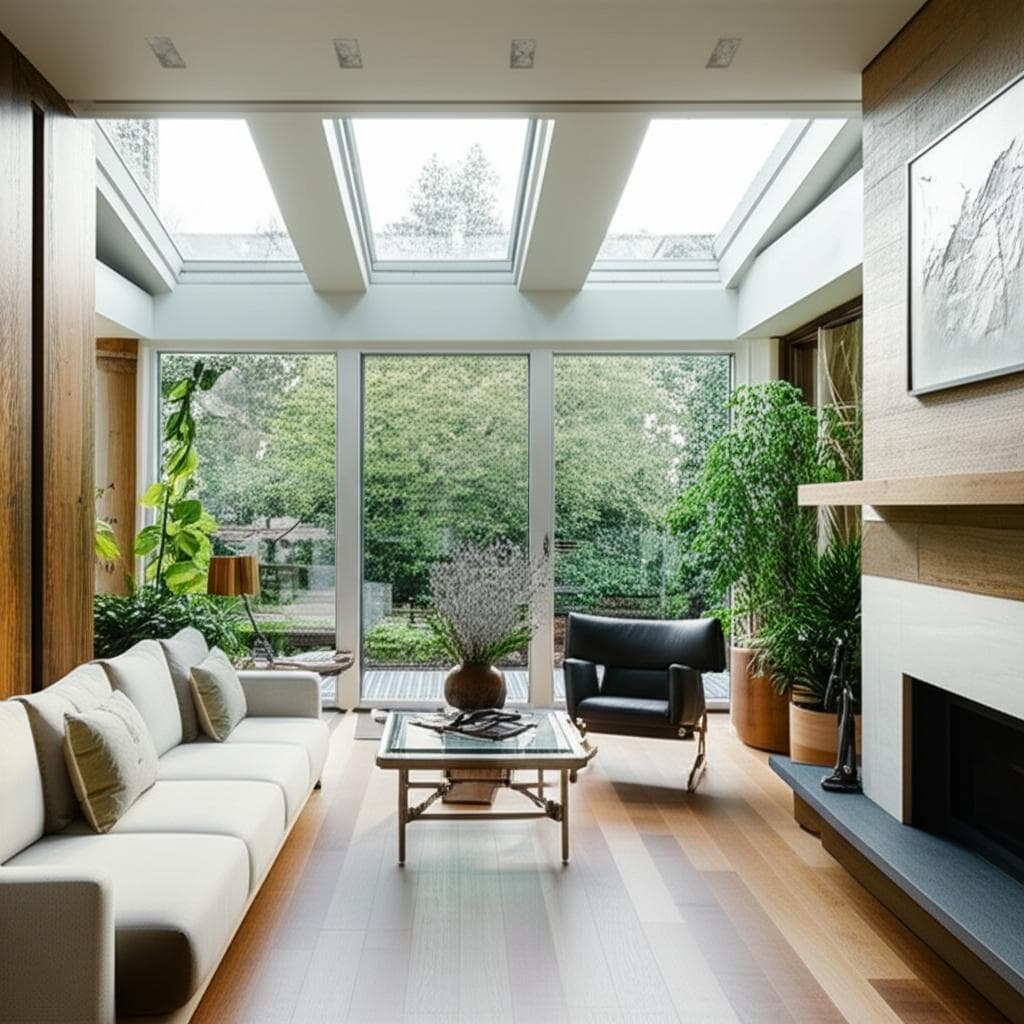
Save 30% on HVAC with Biophilic Indoor Plants

Save 30% on HVAC with Biophilic Indoor Plants

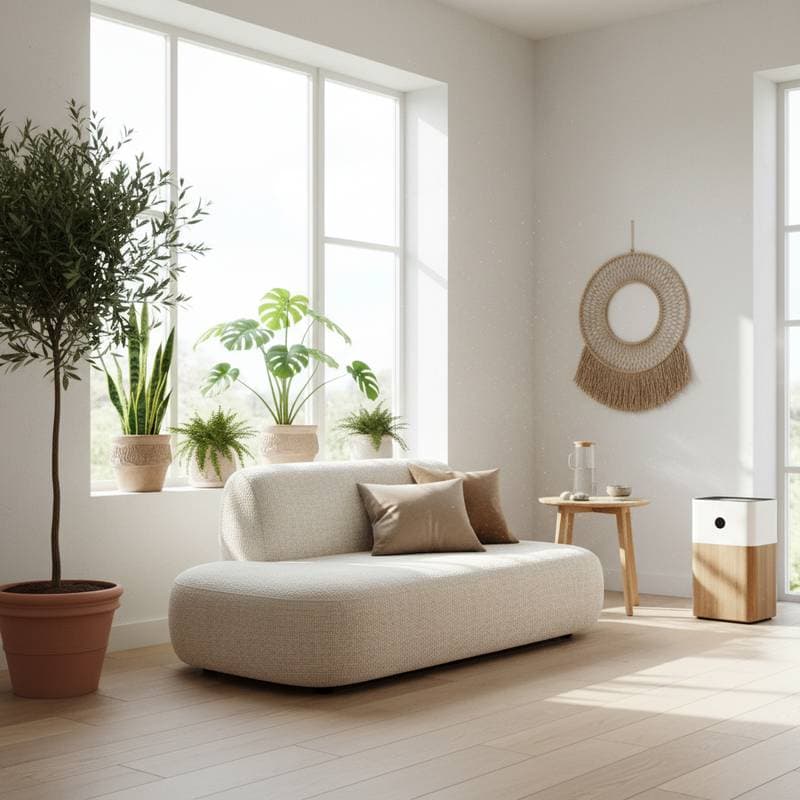
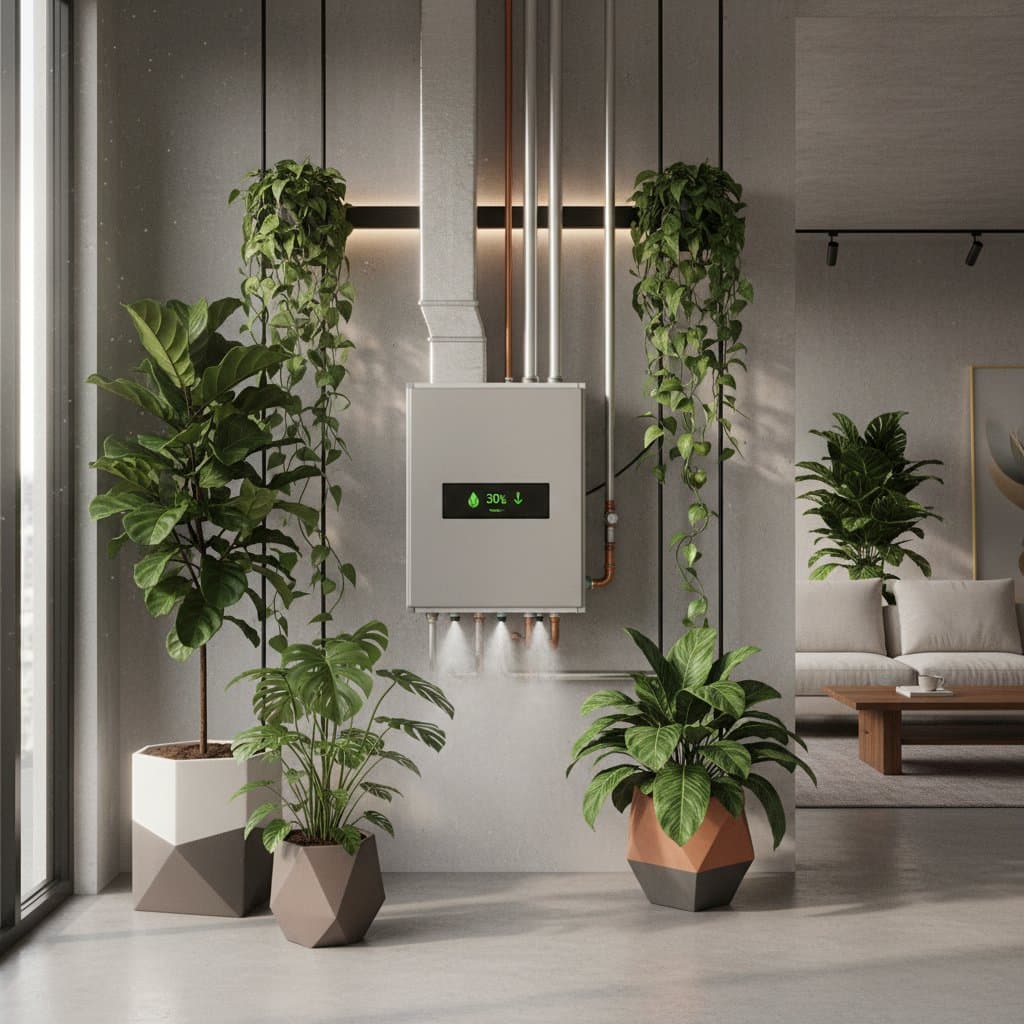
Achieve up to 30 percent savings on HVAC costs through biophilic indoor plants that regulate temperature and humidity naturally. This accessible, do-it-yourself enhancement promotes comfort, superior air quality, and increased property value. Discover placement strategies, care instructions, and expense analyses to convert living areas into efficient, nature-infused spaces that maintain optimal conditions throughout the year.

Katlyn PolinoJan 14

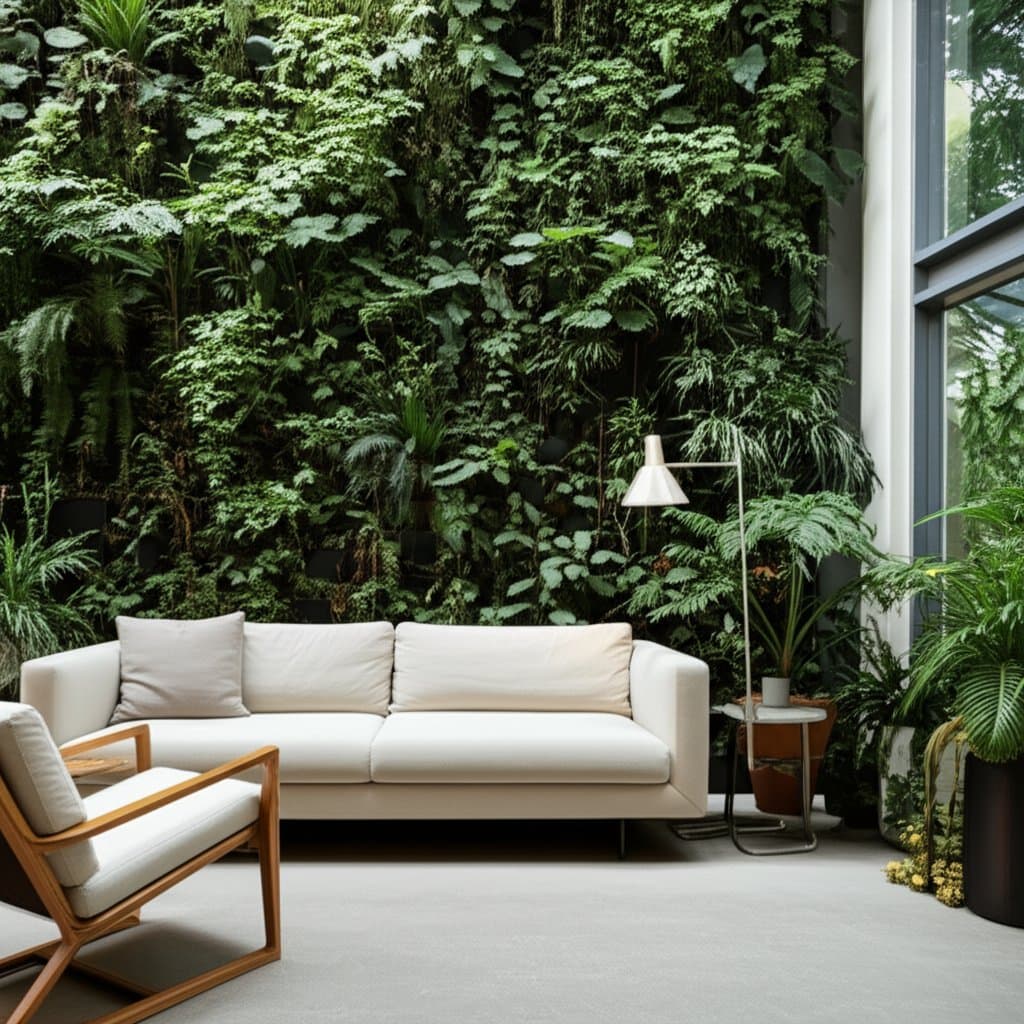
Living Walls Add Value Beyond Curb Appeal

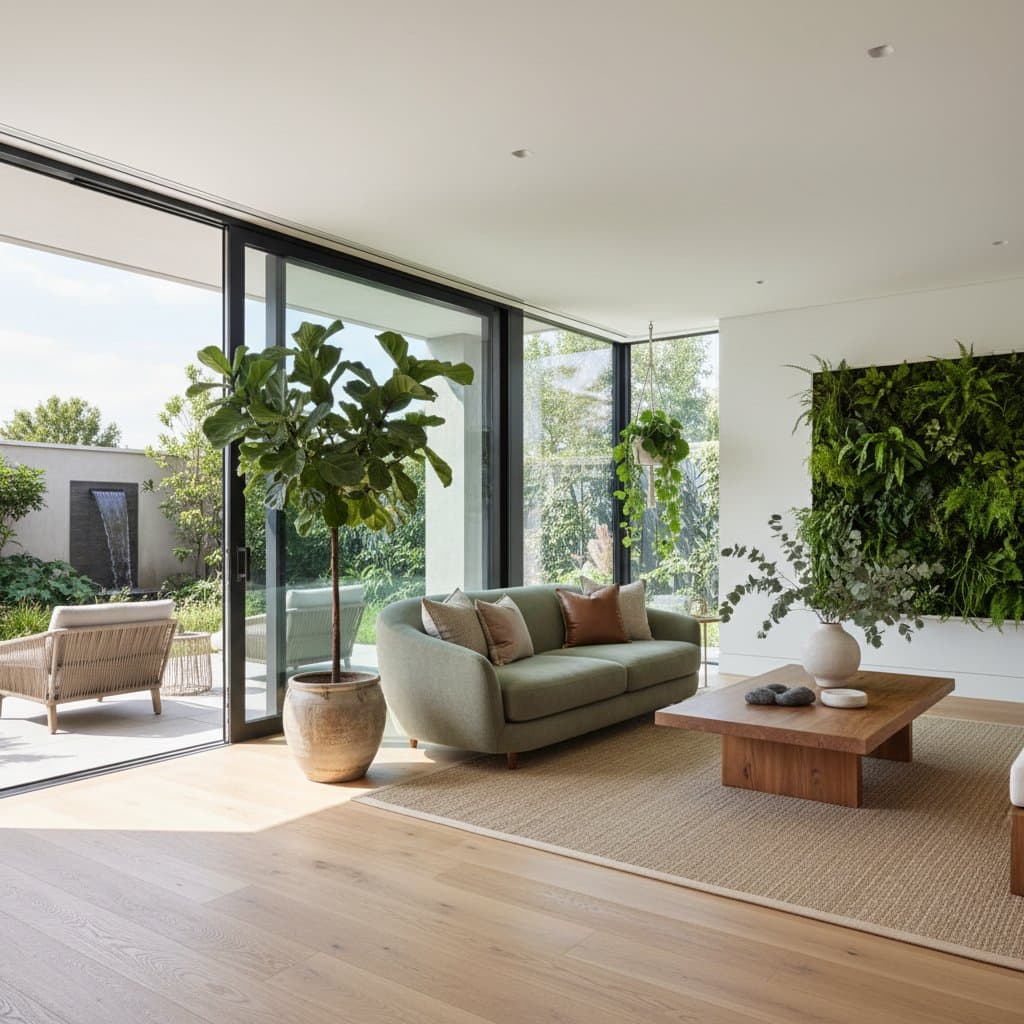
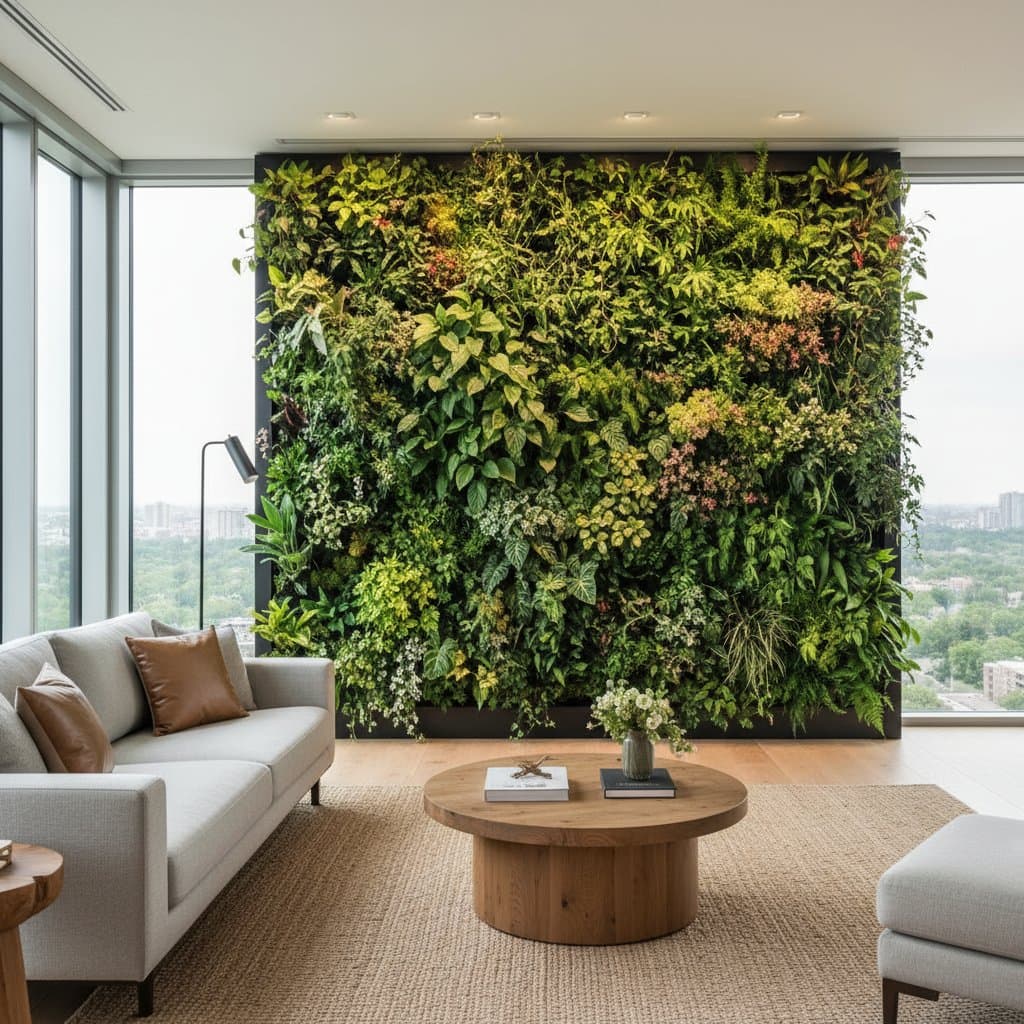
Living walls transform interior spaces by combining aesthetic appeal, environmental benefits, and financial advantages. These vertical gardens improve air purification, boost occupant comfort, and potentially increase resale value by up to 8 percent. Proper planning, installation, and care ensure strong returns, reduced energy expenses, and a lasting bond with nature that appeals to contemporary homebuyers.

5 min read
By Stacy Cadri