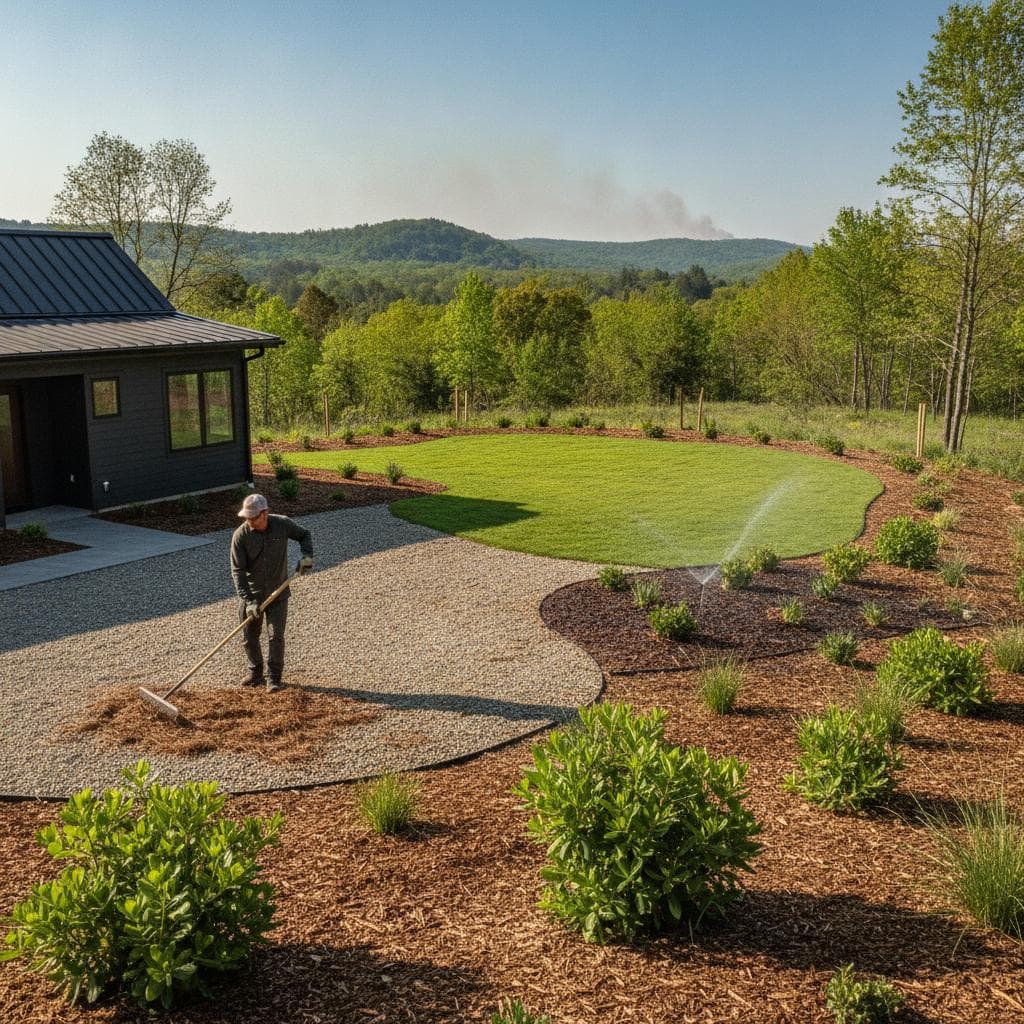
Wildfire Prevention: Spring Defensible Space Checklist
- Clear Zone 0 of all vegetation and use only noncombustible ground covers.
- Maintain 10 feet between tree canopies in Zone 1 and keep grass under 4 inches.
- Thin trees in Zone 2 to 20 feet apart on flat ground and remove ladder fuels.
- Install ember resistant vents and Class A roofing to complement vegetation work.
- Inspect roofs, gutters, and irrigation systems each spring and document changes.
Choosing the wrong vegetation plan can raise wildfire risk sharply and shrink the safety margin around a home. Spring offers the best window for action because plants grow actively and moisture levels start to fall. A functional defensible space combines fuel reduction, thoughtful plant placement, and building upgrades that work together to slow fire movement.
How Defensible Space Works
Defensible space creates a buffer that limits radiant heat, convective currents, and direct flame contact. When plants are spaced correctly, flames lose their continuous path toward structures. Fine fuels such as dry grass and pine needles ignite first and spread fire sideways, while rising heat can reach eaves and decks. Each zone interrupts one or more of these heat paths.
The Defensible Space Zones
Zone 0: Immediate Zone (0 to 5 feet)
This zone stops embers from finding fuel right next to the house. Cover the ground with gravel or concrete. Keep every plant at least 5 feet from walls. Swap bark mulch for mineral cover. Fit vents with one eighth inch mesh and use fire rated deck boards. Move firewood and propane tanks outside this strip.
Zone 1: Intermediate Zone (5 to 30 feet)
Here the goal is to lower flame height and heat output. Space tree crowns 10 feet apart. Cut grass before it reaches 4 inches. Prune lower tree branches so a 6 foot gap exists above shrubs. Clean roofs and gutters weekly in dry weather. Place shrubs at least twice their mature width apart.
Zone 2: Extended Zone (30 to 100 feet)
This area slows an approaching fire and gives firefighters room to work. On flat land keep trees 20 feet apart and add 10 feet of space for every 10 percent of slope. Remove plants that connect ground fuels to tree crowns. Mow grasses before they reach 6 inches. Keep driveways at least 12 feet wide. Choose low growing, moist plants for new landscaping.
Integration with Home Systems
Vegetation management works best alongside ignition resistant construction. Metal gutter guards stop leaf buildup. Fiber cement or metal decking resists embers better than wood. Zone irrigation so critical areas stay above 30 percent fuel moisture. Soil sensors on smart controllers can automate this task.
Code and Compliance Considerations
Many areas follow the International Wildland Urban Interface Code. Typical rules call for a 30 foot ignition resistant buffer, approved plant lists, and minimum driveway widths. Contact the local fire department for exact distances and species allowed in your jurisdiction.
Maintaining Your Investment
Defensible space needs yearly attention. Begin each spring at the house and move outward. Check for new growth within 5 feet of walls, verify tree clearances, and test driveway access. Keep dated photos to support insurance or inspection visits.
Next Steps for Homeowners
Start with Zone 0, then move to Zones 1 and 2. Focus on fuel separation and moisture levels suited to local conditions. On steep or heavily vegetated sites, a wildfire mitigation specialist can calculate fuel loads and design irrigation that matches soil and plant needs. Consistent care turns a property into a reliable part of a safer neighborhood.