The Materials Revolutionizing Flood-Proof Flooring in 2026
Homeowners face water damage risks from sources beyond rivers or coastlines. Heavy rainfall, plumbing failures, and groundwater rise can destroy floors and lead to expensive replacements. For those new to property maintenance, flooding concerns often seem daunting. Fortunately, innovative materials now enable floors to endure moisture effectively. Knowledge of these advancements allows selection of resilient options that safeguard homes and finances.
Key Principles of Flood-Resistant Flooring
Contemporary flood-proof flooring resists water infiltration, avoids expansion, and rebounds swiftly from exposure. No material renders a home entirely impervious to floods, yet select choices minimize harm and restoration expenses. Grasping these properties empowers informed decisions during renovations, new constructions, or targeted room updates.
Essential Flood-Resistant Flooring Materials
1. Luxury Vinyl Tile with Enhanced Core Technology
Luxury vinyl tile evolves beyond initial designs through rigid, waterproof cores that avert distortion during prolonged submersion. Surface finishes replicate wood, stone, or ceramic appearances while eliminating their moisture weaknesses. Antimicrobial layers in many variants curb mold proliferation post-flood. These attributes position luxury vinyl tile as a versatile choice for basements, kitchens, and laundry rooms, where spills and humidity prevail.
Installation involves aligning click-lock systems over prepared subfloors, ensuring level surfaces for optimal performance. Select tiles rated for 100 percent waterproofing to handle standing water up to several days. Pair with underlayment that enhances sound absorption and further blocks moisture migration.
2. Porcelain Tile with Sealed Grout Systems
Porcelain tile stands as a durable, non-porous barrier against water passage. Recent grout innovations, such as epoxy formulations, seal joints to block absorption and prevent cracking. Proper application withstands pooled water with limited repercussions, preserving structural integrity.
Choose tiles with low water absorption rates below 0.5 percent for superior resistance. During setup, apply grout sealants annually in high-moisture zones to maintain barriers. Combine with drainage slopes in bathrooms or entryways to direct water away from seams.
3. Engineered Polymer Flooring
Engineered polymer flooring employs synthetic resins for seamless, impermeable surfaces resembling polished concrete or premium vinyl. Absence of joints reduces water ingress points, enhancing longevity in vulnerable spaces. Slip-resistant properties and straightforward cleaning suit garages, basements, and utility zones prone to inundation.
Application requires surface priming followed by resin pouring and curing over 24 to 48 hours. Opt for UV-stable variants to resist fading in sunlit areas. Thickness options from 2 to 4 millimeters allow customization for foot traffic levels.
4. Reinforced Rubber Flooring
Reinforced rubber flooring adapts commercial-grade resilience for residential use, tolerating repeated saturation without degradation. Its elasticity provides underfoot comfort, while modern aesthetics integrate into home designs. Budget-friendly installation appeals to flood-vulnerable basements seeking practicality.
Sheets or tiles adhere via pressure-sensitive adhesives on clean subfloors. Select recycled rubber for eco-benefits and densities above 70 shore A for durability. Edge sealing with silicone caulk fortifies against lateral moisture travel.
5. Bamboo Composite Flooring
Bamboo composite flooring merges natural fibers with waterproof resins, overcoming traditional bamboo's swelling tendencies. This hybrid delivers sustainable aesthetics akin to hardwood alongside robust water defense. Environmentally conscious homeowners value its balance of style and fortitude.
Engineered planks feature locking mechanisms for glue-free assembly. Verify resin content exceeds 60 percent for reliable performance. Humidity control below 60 percent in installation spaces ensures long-term stability.
Indicators of Emerging Water Issues
Vigilance detects potential failures in even robust flooring. Monitor for these subtle cues to intervene promptly:
- Softened or yielding areas when stepped upon
- Fading or shadowed marks along baseboards
- Lingering odors suggesting dampness
- Lifting or buckling at edges of vinyl or laminate
Early detection facilitates targeted drying and remediation, averting mold escalation and extensive repairs. Routine weekly inspections in susceptible rooms amplify effectiveness.
Deciding Between DIY and Professional Installation
Flood-resistant flooring suits DIY efforts for those adept with tools and meticulous in prep. Click-lock vinyl planks assemble without adhesives over even subfloors, often completing in a weekend for 200 square feet. Conversely, tile layouts and polymer applications demand precision leveling and ventilation expertise.
Evaluate subfloor moisture via meter tests before proceeding. Professionals excel in assessing flood histories and applying vapor barriers. Their involvement guarantees warranty compliance and peak functionality.
Cost-Effective Strategies for Flood Protection
Accessible options deliver flood resistance without premium pricing. Consider these practical alternatives:
- Vinyl sheet rolls: Budget installations under $3 per square foot, fully waterproof and peel-and-stick ready.
- Epoxy overlays on concrete: DIY kits transform basements for $1 to $2 per square foot, curing in hours.
- Protective rugs: Waterproof-backed versions shield existing floors temporarily at low cost.
Higher investments in polymers or porcelain yield dividends through reduced upkeep and replacement frequency. Factor in 20-year lifespans for accurate return calculations.
Engaging Professionals for Water Damage
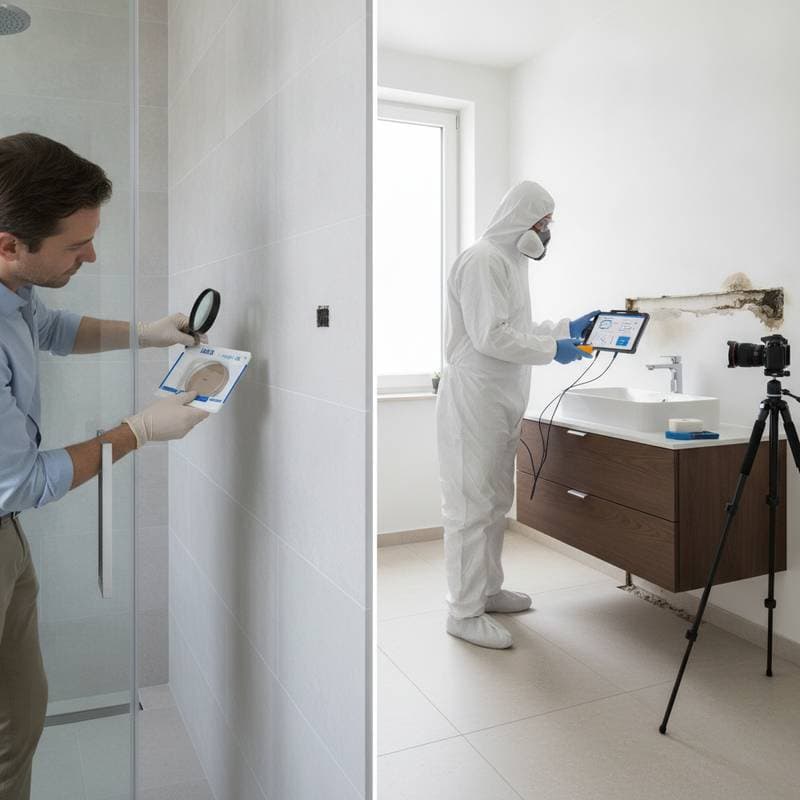
Existing water intrusion or subfloor compromise necessitates expert intervention. Professionals measure humidity with infrared tools, extract trapped water via industrial fans, and suggest tailored replacements. Covering undried damage risks persistent mold and structural decay.
Seek certified restorers experienced in flood scenarios. Post-assessment, they outline phased repairs prioritizing safety. Immediate action within 48 hours of discovery curtails health hazards.
Sustaining Flood-Resistant Flooring Over Time
Regular upkeep extends the lifespan of new installations. Vacuum or sweep daily to eliminate abrasive particles, followed by damp mopping with pH-neutral cleaners. Post-rainfall or leak events, probe seams for dampness and deploy fans for ventilation.
Dehumidifiers maintain 40 to 50 percent relative humidity in prone areas. Water alarms at baseboard levels provide real-time alerts in high-risk homes. Annual professional inspections verify sealant integrity and address wear proactively.
Advancing Your Home's Resilience
Mastery of these materials equips homeowners for proactive enhancements. Swift recognition of issues, diligent care routines, and strategic selections foster enduring protection. Consult flooring experts to align choices with specific property demands, ensuring a secure and efficient living environment.