Key Takeaways
- Kitchen remodel costs differ significantly by region, with labor and material prices accounting for the primary variations.
- A complete remodel typically falls between moderate five-figure amounts for basic updates and higher six-figure sums for luxury endeavors.
- Emerging regional preferences, including sustainable materials and smart technology integrations, shape design decisions and elevate expenses.
Estimating 2026 Kitchen Remodel Costs by Region
A standard mid-range kitchen remodel in 2026 will cost between $30,000 and $90,000, influenced by location, project scale, and quality of finishes. Urban and coastal markets frequently approach the upper limit, whereas rural and inland areas remain more affordable.
Kitchen remodeling ranks among the most rewarding home improvements. Planners undertaking a complete layout overhaul or simple cabinet and surface refreshes benefit from grasping regional pricing to establish practical budgets.
Essential Highlights
- Labor expenses constitute 40 percent to 60 percent of total remodel budgets.
- Cabinetry represents the predominant cost, comprising approximately one-third of the overall expenditure.
- Pricing varies markedly by region; coastal and urban locales exceed inland markets by about 20 percent.
- Sustainable materials and smart appliances gain popularity, enhancing utility while increasing costs.
Primary Factors Shaping Total Costs
Scope, materials, and labor rates serve as the chief determinants of final expenses.
-
Project Scope
Full gut renovations that alter layouts or reposition plumbing escalate costs rapidly. Cosmetic enhancements, such as installing new countertops or flooring, maintain expenses at the lower range. -
Cabinetry Selections
Stock cabinets begin at approximately $100 per linear foot. Semi-custom options average $250 per linear foot. Custom designs featuring specialized inserts and finishes surpass $500 per linear foot. -
Countertop and Surface Options
Laminate options provide affordability at $25 to $40 per square foot installed. Quartz and natural stone selections range from $70 to $120 per square foot. Recycled composites and porcelain slabs rise in demand for their aesthetic and eco-friendly attributes. -
Labor and Permitting Requirements
Areas with elevated living expenses result in increased labor rates. Permitting costs fluctuate but generally contribute several thousand dollars to substantial projects. -
Appliance Enhancements
Basic stainless steel sets commence at $5,000. Advanced smart and integrated units exceed $15,000.
Strategies for Managing Kitchen Remodel Expenses
Homeowners employ several effective methods to adhere to budgets:
- Establish priorities at the outset. Determine preferences between high-end appliances and luxurious finishes.
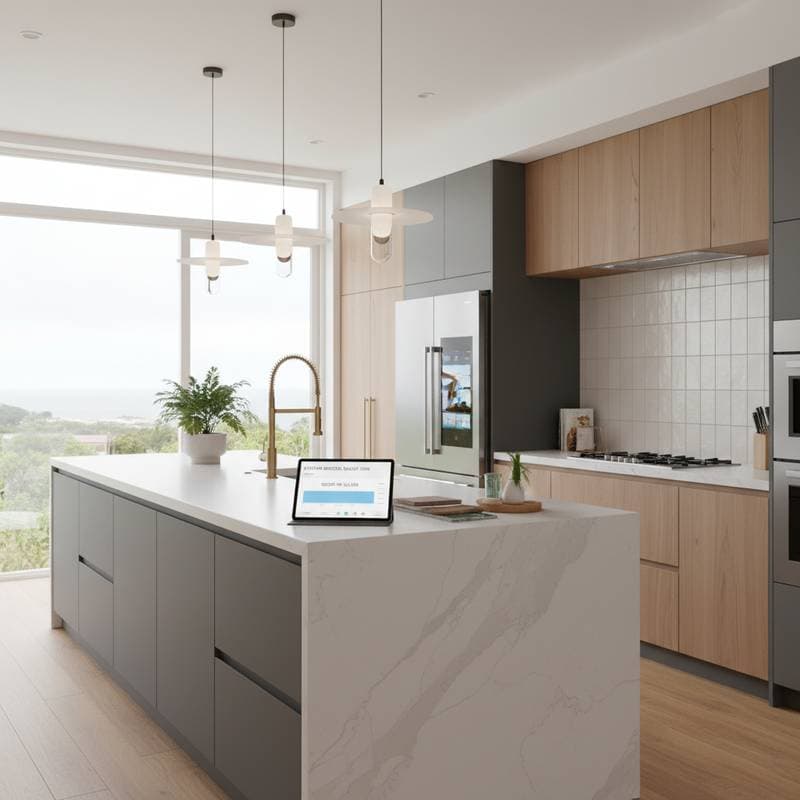
- Combine material types. For instance, install quartz on an island while using solid-surface counters along perimeters to reduce coverage of pricier materials.
- Preserve existing plumbing and electrical placements. Modifications to layouts accelerate expense growth.
- Opt for refinishing over replacement. Repainting cabinets or updating hardware revives appearances at minimal cost.
- Source from local providers. Regional fabricators frequently offer competitive pricing and faster delivery compared to national chains.
Phasing projects proves beneficial for many; initial surface and fixture replacements precede appliance upgrades. This method distributes expenses over time periods while preserving cohesive design.
Frequently Asked Questions
What buffer should homeowners allocate for unforeseen expenses?
Reserve 10 percent to 15 percent of the budget. Issues such as subfloor deterioration or obsolete wiring commonly emerge during demolition.
Do regional material shortages impact remodel timelines?
Availability fluctuates by area. Securing essential items like cabinets and countertops in advance mitigates delays.
Is performing certain tasks personally a viable cost-saving measure?
DIY efforts suit painting or demolition phases, yet professionals must manage plumbing, electrical, and gas work to ensure safety and regulatory adherence.
Do eco-friendly enhancements justify their investment?
Affirmative; energy-efficient appliances and sustainable surfaces lower ongoing utility bills and attract prospective buyers.
Which design elements endure over time?
Neutral-toned cabinetry, natural stone or quartz counters, and effective lighting maintain relevance and versatility.
Maximizing Value After Completion
Post-renovation, the kitchen investment manifests in everyday cooking and hosting activities. A well-executed space merges practicality with individual style, bolstering routine functionality and property appreciation.
Preserve longevity through appropriate surface maintenance, periodic hardware refreshes, and lighting updates aligned with technological advances. Subtle additions, such as seasonal barstools or plants, sustain vibrancy without major overhauls.
Regional influences on labor and materials persist, yet meticulous planning aligns the project with financial constraints and personal needs. Thoughtful decisions position the kitchen as a enduring centerpiece of home life.