2026 Trends for Accessible Multigenerational Homes
Designing a home for multiple generations extends beyond allocating space. Such designs prioritize comfort, accessibility, and adaptability to accommodate diverse needs under one roof. As families expand and aging relatives join households, homeowners increasingly modify layouts, select durable materials, and incorporate advanced technology to promote independence and safety. The emerging trends in multigenerational home design emphasize accessibility integrated seamlessly with aesthetic appeal, supported by innovative products and versatile floor plans that sustain family unity over time.
The Rise of Multigenerational Living
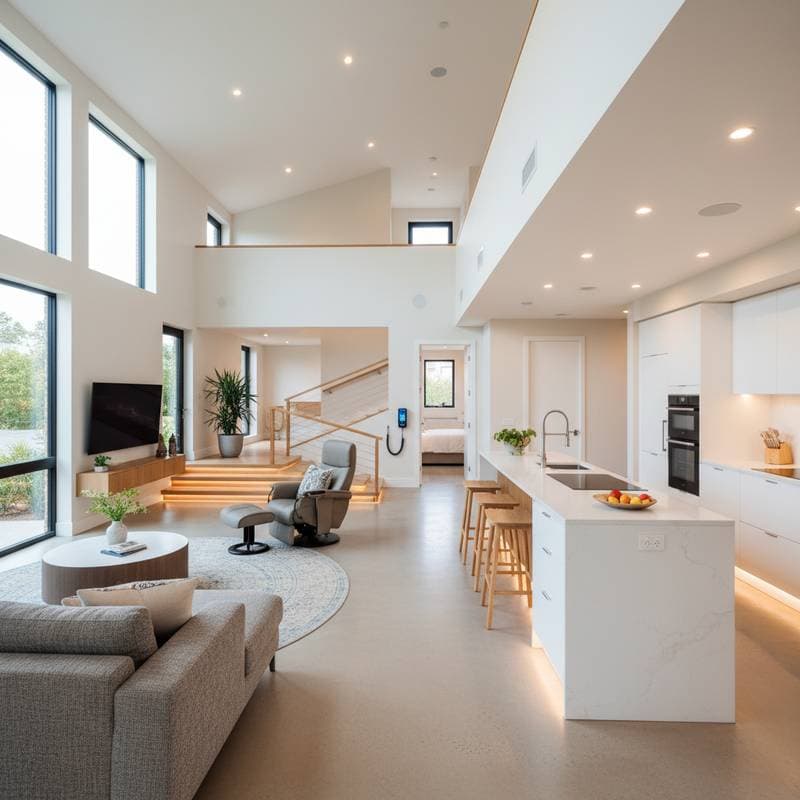
Rising housing costs, constrained land availability, and a growing emphasis on family bonds propel the popularity of multigenerational living arrangements. Families adapt existing homes or construct new ones to include private yet connected living areas. These residences balance individual privacy with communal interaction, ensuring that shared spaces facilitate daily routines without compromise.
Modern multigenerational homes feature flexible configurations rather than rigid styles. Bedrooms serve as serene personal sanctuaries. Bathrooms accommodate users from young children to older adults through features like adjustable-height fixtures and spacious layouts. Kitchens promote collaborative cooking and dining with open, efficient designs that prevent congestion.
Builders and designers now incorporate these elements as standard options. Flexible floor plans often include secondary suites with private entrances and modifiable bathrooms. Accessibility evolves from an optional add-on to a core component of forward-thinking residential planning.
Framework for Deciding Between DIY and Professional Help
Accessibility renovations demand careful consideration of capabilities and requirements. Many tasks suit individual efforts, while others necessitate expert intervention to ensure compliance and safety.
DIY-Friendly Tasks
- Applying fresh paint, installing resilient flooring, and updating trim
- Mounting grab bars and adding non-slip surfaces
- Upgrading lighting fixtures or integrating smart bulbs
Tasks Requiring a Licensed Contractor
- Modifying structures, such as removing walls
- Relocating plumbing lines or electrical systems
- Ensuring adherence to local accessibility codes
- Constructing additions or standalone suites
Precision defines successful accessibility projects. Doorways require minimum widths of 32 inches for wheelchair access. Ramps demand slopes no steeper than 1:12, and fixtures must align with specified heights. Engage contractors familiar with Universal Design principles and experienced in aging-in-place modifications to avoid hazards and regulatory issues.
Strategic Timing for Accessibility Projects
Initiate planning for accessibility enhancements well in advance of urgent needs. Securing permits and scheduling inspections for additions like in-law suites or garage conversions typically spans several weeks. Delaying until mobility challenges arise or adult children return home can lead to hasty decisions that compromise quality.
Spring and fall offer optimal conditions for renovations, with temperate weather and reduced contractor schedules compared to summer peaks. Procure materials ahead of time, particularly custom elements such as accessible cabinetry or specialized fixtures, which may involve lead times of several months.
For initiatives involving structural alterations, commence design discussions promptly. Skilled designers assist in phasing improvements to distribute expenses across periods. For instance, expand doorways and fortify walls for eventual grab bar installation without immediate outlay.
Engaging Professionals for Optimal Results
Consult a certified aging-in-place specialist or an architect specializing in accessibility at the outset of a multigenerational home project. These experts assess existing spaces for potential hazards and propose modifications that address immediate and anticipated requirements.
Initial evaluations generally range from $300 to $1,000, varying by region and project complexity. Professionals coordinate with contractors and confirm compliance with building regulations. Verify that contractors possess liability insurance and workers' compensation for any structural work.
Obtain necessary permits without exception. Modifications impacting load-bearing walls, plumbing, or electrical setups require oversight to safeguard investments and occupants.
Considerations for Regional Variations and Budgeting
Material sourcing differs across regions. Southern and Midwestern areas benefit from cost-effective lumber and drywall, though labor shortages may extend project durations. Coastal and mountainous locales encounter elevated shipping fees for bulky components like ramps or elevators. In community settings, review zoning laws prior to installing secondary entrances or accessory dwelling units.
Incentives for energy efficiency can offset expenses. Numerous states provide rebates for enhanced insulation, LED lighting, or high-efficiency HVAC installations during accessibility upgrades. Inquire with contractors or local utilities about available programs prior to design finalization.
Sustaining Accessibility Features Long-Term
Post-renovation maintenance preserves the functionality of multigenerational homes. Conduct yearly checks on grab bars, ramps, and mechanical lifts to detect wear. Regularly verify the operation of smart home systems to maintain synchronization and reliability. Promptly replace worn non-slip flooring or stair coverings to uphold safety standards.
Design for ongoing adaptability as family dynamics evolve. Convert a home office into a bedroom if circumstances demand. Equip walk-in showers with provisions for future fold-down seats.
Implementing Your Multigenerational Vision
Constructing an accessible multigenerational home represents a comprehensive family investment. Begin with open discussions on privacy needs and caregiving roles. Establish a budget informed by local rates and material selections.
Executed thoughtfully, these residences foster autonomy alongside familial closeness. They evolve with changing needs, yielding savings in resources, effort, and emotional strain over the years.