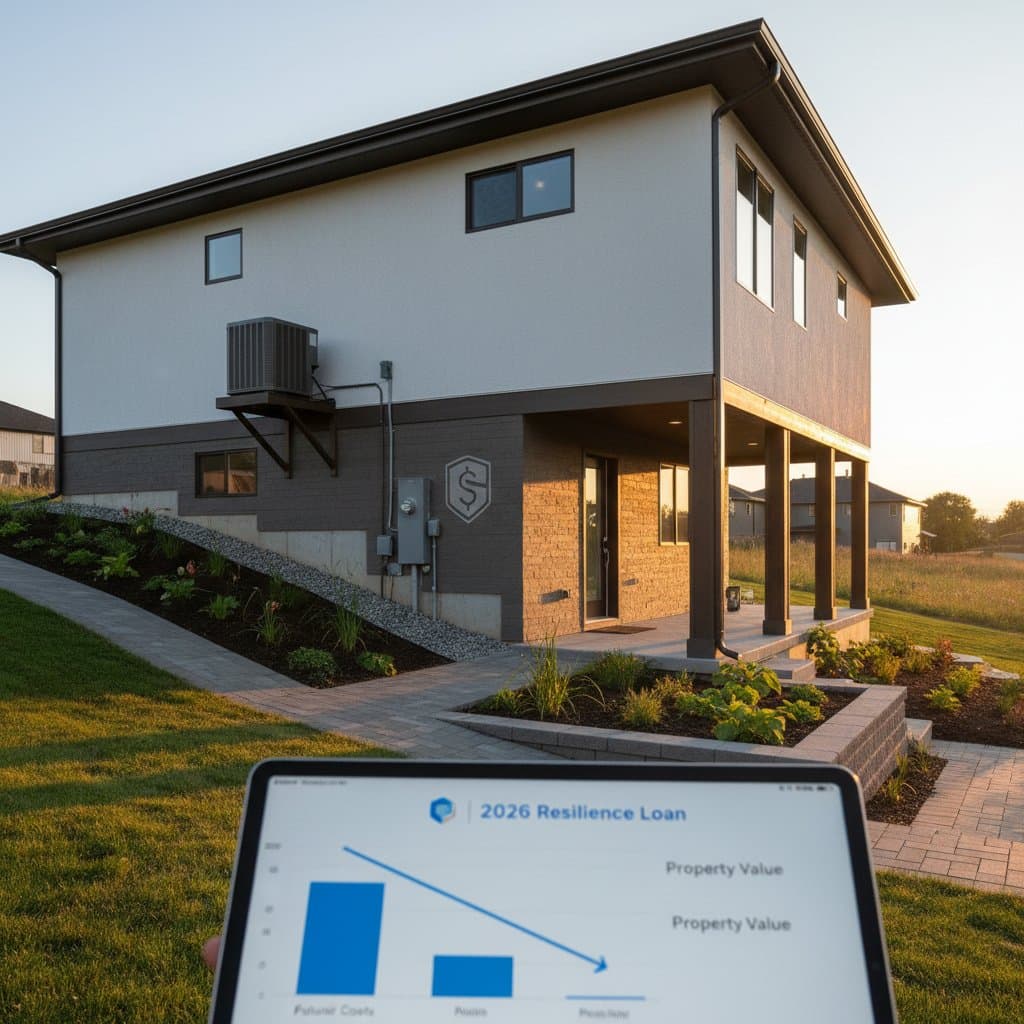
Introduction to Flood-Proofing and Cost Savings
Flood risks are escalating due to climate changes and urban development. Homeowners face substantial financial burdens from water damage, with average repair costs exceeding tens of thousands of dollars per incident. However, proactive flood-proofing measures, funded through 2026 Resilience Loans, can reduce these expenses by up to 70 percent. These loans provide accessible financing for targeted upgrades that fortify homes against rising waters.
This approach not only preserves property but also enhances overall security. By investing in prevention now, individuals avoid the chaos of recovery later. The following sections outline essential steps, community benefits, and practical implementation strategies.
Essential Safety Guidelines for Flood Mitigation
Before undertaking any flood-proofing project, prioritize safety to prevent accidents and ensure effective outcomes. Professional involvement is crucial at every stage. The guidelines below serve as a foundational checklist for homeowners.
- Never enter a flooded basement until a professional shuts off the power supply.
- Engage licensed tradespeople for relocating or elevating any systems.
- Confirm floodplain permits prior to any digging or grade alterations.
- Install backflow preventers that comply with regional building codes.
Failure to adhere to these standards may result in severe fines or rejected insurance claims. Collaborate with experts who possess knowledge of both general residential construction and specific flood mitigation rules. Such partnerships minimize risks and maximize the longevity of improvements.
Key Flood-Proofing Upgrades and Their Impact
Effective flood-proofing involves a range of modifications tailored to a property's vulnerabilities. For instance, applying waterproof sealants to basement walls and floors creates a barrier against seepage. Installing sump pumps with battery backups ensures continuous operation during outages, automatically removing accumulated water.
Elevating electrical panels, HVAC units, and water heaters above potential flood levels prevents electrical hazards and system failures. Reshaping yard contours with French drains or swales directs water away from foundations, reducing soil saturation. Each upgrade contributes to a layered defense system that withstands varying flood intensities.
The financial return is significant. Studies indicate that every dollar allocated to these preventive actions yields three to five dollars in avoided repair expenses. Property values also rise, as resilient homes appeal to buyers in flood-prone areas. Insurance providers often offer premium discounts for verified mitigation efforts, further amplifying savings.
Building Community Resilience Through Collective Action
Individual flood-proofing efforts extend beyond personal boundaries to benefit entire neighborhoods. When several properties implement upgrades simultaneously, the cumulative effect alleviates pressure on municipal infrastructure. Streets experience less flooding, allowing quicker access for emergency responders and reducing response times during crises.
Communities with coordinated initiatives see stabilized insurance rates across the board. Local governments recognize this value and frequently provide matching grants for group projects, such as installing community retention ponds or reinforcing shared drainage systems. Homeowners associations or neighborhood groups can lead these endeavors by organizing assessments and funding applications.
Engaging with local officials early uncovers additional resources, including technical assistance from flood management agencies. Such collaborations foster a sense of shared responsibility and preparedness. In regions prone to seasonal storms, these efforts transform vulnerable areas into models of sustainability.
Qualifying for and Applying 2026 Resilience Loans
The 2026 Resilience Loans represent a government-backed initiative designed to make flood protection affordable. These programs offer low-interest rates, flexible repayment terms, and coverage for up to 100 percent of qualified project costs. Eligibility typically requires residency in designated flood zones, proof of property ownership, and a basic credit check.
To begin, conduct a professional flood risk assessment, which identifies specific vulnerabilities and recommends tailored solutions. Gather detailed estimates from certified contractors, ensuring all proposals align with federal resilience standards. Submit applications through participating lenders or online portals, including documentation of the assessment and bids.
Approval processes generally take four to six weeks, during which applicants receive guidance on maximizing loan utilization. Funds disburse directly to contractors upon project milestones, promoting accountability. Homeowners must maintain records of all work for warranty and insurance purposes.
Implementing Your Flood-Proofing Project
Timing plays a vital role in successful execution. Schedule installations during dry periods to avoid complications from existing moisture. Coordinate with contractors to phase the work: start with site preparation, such as grading and drainage enhancements, then proceed to structural modifications like sealing and elevation.
Monitor progress closely to ensure compliance with permits and codes. Post-completion inspections verify the integrity of installations, often required for loan closeout. Regular maintenance, including annual checks of pumps and seals, sustains the system's effectiveness over time.
Challenges may arise, such as unexpected soil conditions or supply delays, but experienced teams address them efficiently. Budget for a 10 to 15 percent contingency to cover variables. The result is a fortified home that withstands floods with minimal disruption.
Securing Long-Term Financial and Emotional Stability
Flood-proofing transcends immediate repairs; it establishes enduring protection for your most valuable asset. With 2026 Resilience Loans, the upfront investment translates into substantial long-term gains, including reduced repair bills and enhanced marketability. Homeowners report greater confidence in facing weather uncertainties, knowing their preparations provide a reliable shield.
This strategic planning empowers individuals to control their financial destiny amid unpredictable climates. Consult licensed professionals in your vicinity to initiate the process. Transform potential vulnerabilities into strengths and embrace a future resilient to storms.