Understanding the 2026 Basement Flood-Proofing Mandates
Homeowners across flood-prone regions face a significant change with the introduction of new federal flood regulations effective in 2026. These rules mandate that property owners demonstrate their basements meet specific flood-resistant standards to qualify for standard insurance policies. Failure to comply could result in higher premiums or even denial of coverage during flood events.
The regulations stem from increased flood frequency due to climate shifts and urban development. Insurance providers and regulatory bodies aim to reduce claims and encourage preventive measures. Basements, often vulnerable due to their below-ground position, represent a primary focus of these updates.
Key Components of the New Requirements
The core of the 2026 mandates involves certification that a basement resists water intrusion up to a designated level, typically one foot above the base flood elevation for the area. Homeowners receive guidance from local floodplain administrators on exact thresholds. Proof comes in the form of inspections by certified professionals or documented upgrades.
Elevation certificates play a crucial role, detailing the basement's height relative to flood levels. Additionally, structural modifications must incorporate flood vents in foundation walls to allow water flow and prevent pressure buildup. These elements ensure the space remains habitable and structurally sound during inundation.
Impacts on Homeowners and Properties
For current owners, these rules introduce urgency to assess existing setups. Properties without compliant features may see diminished resale value as buyers demand upgrades or hesitate over potential liabilities. Insurance costs could rise by 20 to 50 percent for non-compliant homes, based on regional risk assessments.
Rental property owners encounter further challenges, as tenants expect safe living conditions. Non-compliance might lead to legal issues or voided leases. In high-risk zones, such as coastal or riverine areas, the pressure intensifies, with some communities offering grants for retrofits to aid adherence.
Actionable Steps to Achieve Compliance
Begin with a professional flood risk assessment to identify vulnerabilities in your basement. This evaluation maps water entry points and recommends tailored solutions. Costs for such inspections range from $300 to $800, providing a foundation for informed decisions.
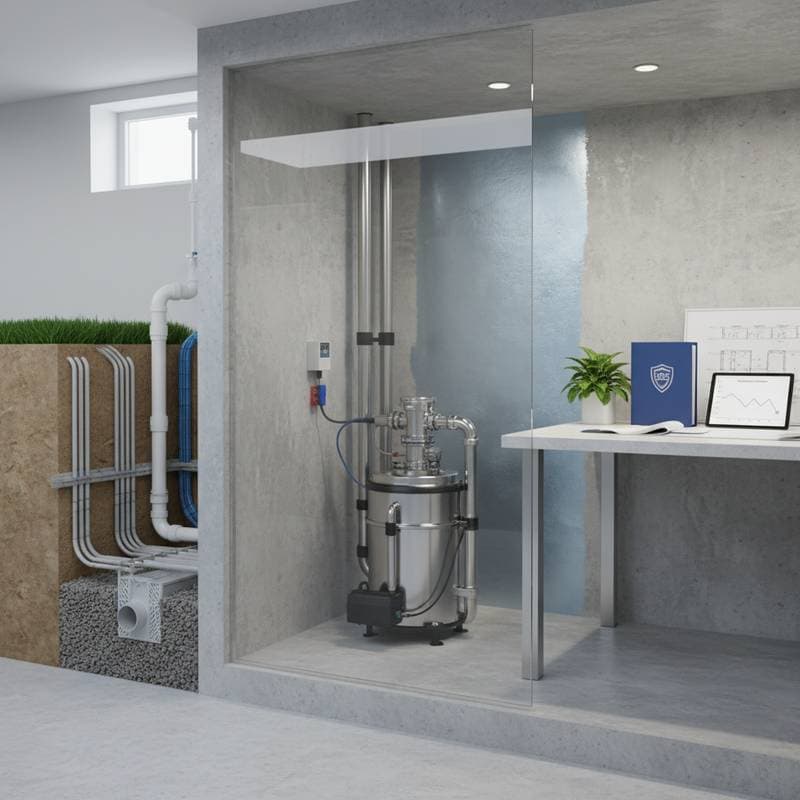
Next, enhance exterior drainage systems. Install French drains around the foundation perimeter to redirect surface water away from the home. These systems, consisting of perforated pipes buried in gravel trenches, effectively channel runoff to storm sewers or dry wells.
- Seal foundation walls with waterproof membranes or coatings. Apply hydraulic cement to cracks and joints for added protection.
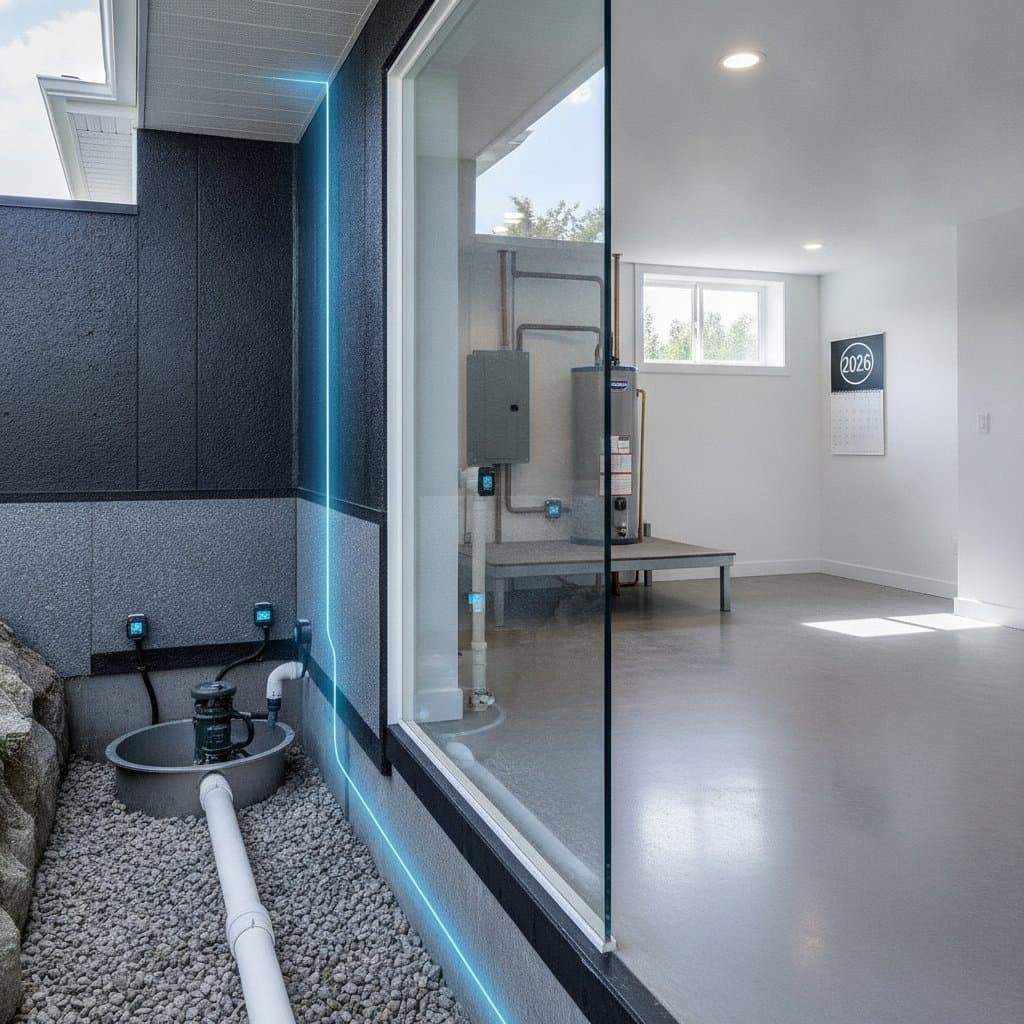
- Elevate utilities like furnaces, water heaters, and electrical panels above potential flood levels.
- Install a sump pump with battery backup to remove accumulated water automatically.
Interior upgrades include moisture-resistant drywall and flooring materials. Consider raising the basement floor if feasible, though this proves more invasive and costly. Always consult licensed contractors experienced in flood mitigation to ensure work meets code standards.
Benefits of Proactive Flood-Proofing
Investing in these measures yields multiple advantages beyond mere compliance. Insurance premiums often decrease by 10 to 30 percent for certified flood-resistant homes, offsetting initial expenses. Enhanced protection minimizes damage from minor floods, preserving personal belongings and structural integrity.
Property values appreciate with documented improvements, appealing to eco-conscious buyers who prioritize resilience. Tax incentives in many states further sweeten the deal, with credits available for energy-efficient and disaster-resistant modifications. Long-term, these upgrades contribute to community-wide flood management efforts.
Navigating Certification and Resources
To obtain certification, schedule an inspection post-upgrades with an engineer or certified inspector. They issue a compliance report valid for insurance and resale purposes. Renewal occurs every five years or after major renovations.
Local resources abound, including FEMA's flood mapping tools and community workshops. Home improvement stores offer DIY kits for minor tasks, though professional oversight remains essential for warranty and code compliance. Stay informed through municipal updates to track any regional variations in the rules.
Secure Your Home Against Future Floods
The 2026 mandates represent an opportunity to fortify your property against rising water threats. By addressing basement vulnerabilities now, homeowners not only meet regulatory demands but also build lasting security. Take the first step today with an assessment, and transform potential risks into assured protection for years to come.