Gen Z's Costly First Renovation Mistakes to Dodge
Purchasing a first home marks a significant achievement, yet for many Gen Z homeowners, the thrill of renovation frequently evolves into a substantial financial burden. The issue seldom stems from lack of passion. Instead, it arises from insufficient technical preparation, limited knowledge of systems, and unrealistic financial projections. A renovation extends beyond surface aesthetics; it involves an intricate array of structural, mechanical, and efficiency components that must integrate seamlessly. To sidestep initial errors, homeowners benefit from grasping how these systems operate and how decisions impact ongoing expenses and livability.
The Hidden Cost of Skipping a Home Systems Assessment
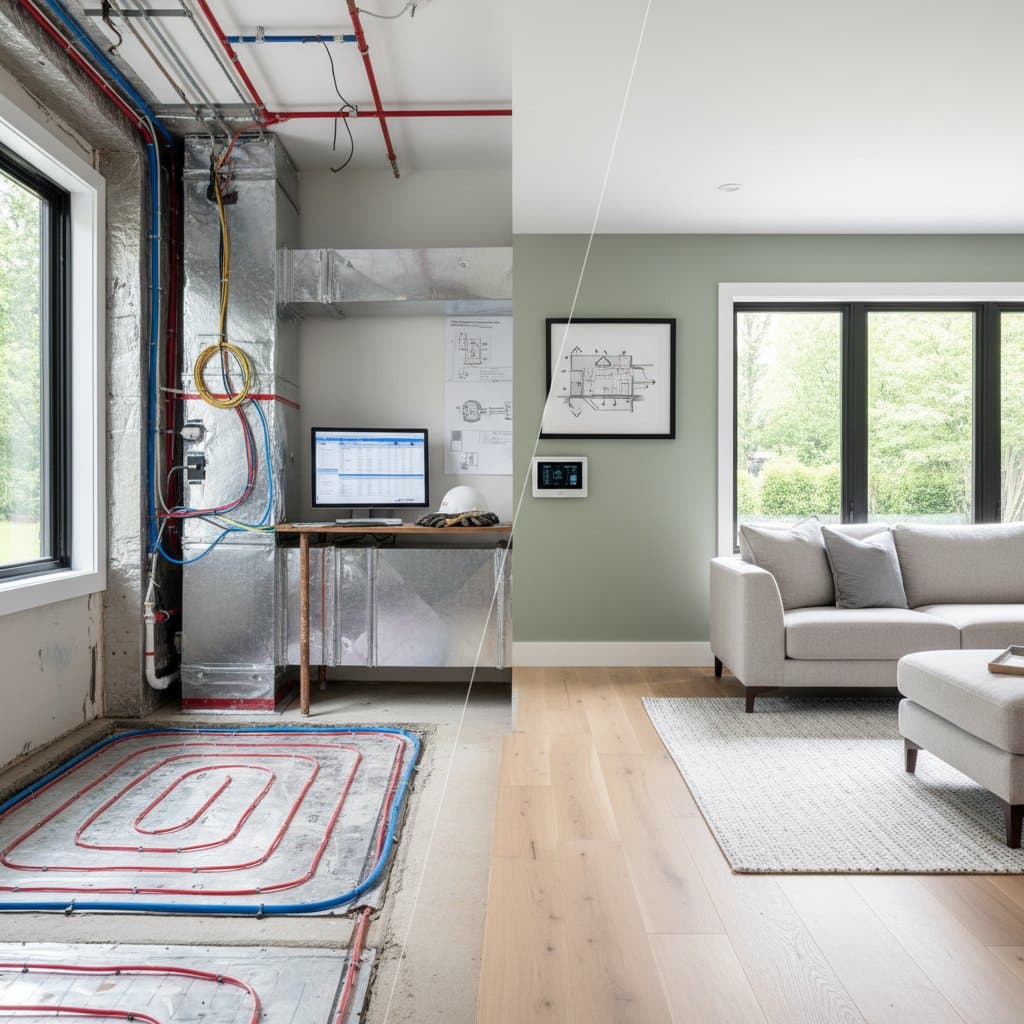
Numerous first-time homeowners proceed directly to remodeling without first appraising the current systems. Plumbing, electrical, HVAC, and insulation levels all dictate operational efficiency. For instance, an overlooked duct system might diminish HVAC performance by as much as 30 percent. Installing new flooring or drywall prior to resolving these foundational elements often necessitates expensive corrections subsequently.
Engaging a professional for a home energy audit or mechanical systems review uncovers inefficiencies that shape design choices and financial allocations. Such evaluations also guide a renovation sequence that places infrastructure ahead of cosmetic enhancements. This strategy prevents the error of investing in visible updates while essential systems deteriorate undetected.
Underestimating HVAC and Energy Efficiency Requirements
Novice renovators frequently presume that the current HVAC setup suffices for expanded space or altered layouts. This presumption commonly results in persistent inefficiency. Each residence requires a precise heating and cooling load calculation, expressed in BTUs, to ascertain the necessary system capacity for optimal comfort and energy use.
Alterations to walls, windows, or insulation necessitate recalculating these loads. Systems that prove oversized activate and deactivate excessively, squandering energy and accelerating compressor wear. Units that fall short operate nonstop yet struggle to stabilize temperatures. High-efficiency options, including heat pumps with SEER ratings exceeding 18 or furnaces achieving AFUE ratings close to 96 percent, excel when accurately sized and ducted.
System Overview
Technology Type: Air-source heat pump
Efficiency Rating: SEER 18, HSPF 9.5
Climate Zones: DOE zones 2 through 6
Average Capacity: 18,000 to 60,000 BTU
Typical Lifespan: 15 years with proper maintenance
Installation Complexity: Moderate, requires load calculation
Code: Must comply with Manual J and S sizing standards
Any renovation of reasonable scale warrants a load calculation performed by a licensed HVAC specialist. This step aligns new spaces, insulation, and ductwork with system capabilities. A correctly proportioned setup sustains even temperatures, curbs unnecessary cycling, and potentially cuts energy expenses by 20 percent or greater across its service life.
Ignoring Regional Climate Factors
Choices suitable for one climate zone may underperform in another. A Gen Z homeowner in a humid coastal environment encounters distinct issues compared to one in an arid interior area. Selections for materials, ventilation, and moisture control differ markedly by locale.
Vinyl plank flooring, for example, thrives in low-humidity settings but risks moisture retention in coastal regions without a proper vapor barrier. Attic insulation standards also vary; R-30 insulation meets needs in temperate zones, whereas R-49 or more applies in colder areas. Overlooking these localized guidelines compromises comfort and escalates utility costs.
Adopting climate-smart renovation practices involves aligning materials and systems with regional conditions. Reviewing local building codes and energy initiatives reveals available rebates for efficient improvements, easing upfront expenditures.
Failing to Budget for Electrical and Plumbing Upgrades
First-time renovators often minimize the expense and intricacy of modernizing concealed systems. Contemporary appliances, fixtures, and HVAC units demand greater electrical capacity than legacy setups provide. Outmoded plumbing likewise may fail to satisfy present flow rates or safety protocols.
Enhancing a service panel from 100 amps to 200 amps, or substituting galvanized pipes with PEX, incurs significant costs. Neglecting these modifications invites safety risks, code infractions, and remedial work after enclosures seal. An effective budget reserves at least 15 percent for mechanical and structural unforeseen issues, accommodating revelations like rusted pipes, inadequate wiring, or compromised framing exposed during demolition.
Overlooking Building Codes and Permits
Adherence to local building codes remains mandatory. Bypassing permits might appear as a time- or cost-saving measure, but it invites severe repercussions. Unauthorized alterations can hinder property sales, invalidate insurance policies, or demand full retrofits for compliance.
Jurisdictions impose unique rules on electrical circuits, ventilation volumes, and load-bearing elements. A bathroom exhaust fan, for instance, requires a specified airflow in cubic feet per minute (CFM) relative to room dimensions. Stair dimensions, railing gaps, and escape window sizes similarly fall under safety regulations.
Reliable contractors or project leads manage permit filings and inspections. For those pursuing DIY efforts, early consultation with municipal building offices averts expensive setbacks.
Misjudging the True Cost of Finishes and Fixtures
Desirable finishes frequently steer renovation agendas, yet these selections can surpass financial limits rapidly. Cabinets, countertops, tiles, and flooring constitute much of the apparent project worth, with prices and endurance varying considerably. Engineered quartz, though double the price of laminate, provides extended durability and reduced upkeep.
Assessing materials demands consideration of cost per year of service over upfront figures. A flooring option enduring 25 years at a fair price typically yields superior value compared to an inexpensive alternative requiring renewal after a decade. This perspective on systems prolongs the renovation's utility and curtails waste from early discards.
Poor Coordination Between Trades
Even modest renovations engage diverse specialists: electricians, plumbers, HVAC technicians, framers, insulators, and finishers. Absent coordination, disruptions compound. Ductwork might obstruct plumbing routes, wiring could clash with structural elements, and insulation faces compression from subsequent phases.
A knowledgeable project manager or general contractor orchestrates sequencing to uphold order. This oversight limits redundancies and safeguards installed components. Homeowners overseeing their initiatives should draft a comprehensive schedule and foster clear communication among teams.
Choosing Short-Term Savings Over Long-Term Efficiency
Gen Z homeowners prioritize sustainability, but fiscal constraints sometimes prompt acceptance of inferior, low-efficiency alternatives. The enduring expense disparity between basic and advanced systems often eludes clear understanding. A heat pump water heater boasting a Uniform Energy Factor (UEF) of 3.5, for example, trims hundreds from yearly energy outlays relative to a conventional electric model at UEF 0.9.
Incorporating enhanced insulation, windows, and HVAC during renovations increases initial outlay but diminishes energy use for years. Accounting for regional incentives and national efficiency schemes bridges the cost divide and boosts investment returns.
Key Performance Comparisons
| System Type | Efficiency Metric | Annual Savings Potential | Lifespan | Upfront Cost Range |
|---|---|---|---|---|
| Standard Electric Water Heater (UEF 0.9) | Low | Minimal | 10-15 years | $500-$1,000 |
| Heat Pump Water Heater (UEF 3.5) | High | $200-$400 | 10-15 years | $1,200-$2,500 |
| Basic Furnace (AFUE 80%) | Moderate | Baseline | 15-20 years | $2,000-$4,000 |
| High-Efficiency Furnace (AFUE 96%) | High | 15-20% reduction | 20+ years | $3,500-$6,000 |
These comparisons highlight how efficiency investments yield compounded benefits over time, particularly when paired with rebates.
Strategies for Effective Renovation Planning
- Arrange inspections by certified professionals for HVAC, electrical, and plumbing to baseline system health.
- Construct a phased budget emphasizing core infrastructure prior to aesthetic elements.
- Examine local codes and incentive programs to support efficiency objectives.
- Harmonize trade schedules and communications to eliminate overlaps and corrections.
- Appraise materials through lifecycle expenses, prioritizing durability alongside style.
Implementing these steps converts potential pitfalls into opportunities for enduring home enhancement. Homeowners who focus on systems secure not only financial stability but also a residence that adapts to future needs with minimal disruption.