Understanding the 2026 Floodproofing Mandates
Homeownership offers satisfaction and stability, yet it demands vigilance against unforeseen challenges such as basement flooding. Regulatory updates scheduled for 2026 introduce stricter waterproofing requirements aimed at reducing flood risks in vulnerable areas. Homeowners who address these changes proactively position themselves to avoid penalties, lower long-term expenses, and enhance overall property resilience. Basic knowledge equips individuals to implement effective safeguards without specialized expertise.
Core Maintenance Practices for Prevention
Consistent upkeep serves as the foundation for flood resistance. Integrate these targeted routines into your property care schedule to mitigate water accumulation effectively:
-
Examine gutters and downspouts regularly. Remove accumulated leaves, twigs, and sediment to facilitate unobstructed water flow. Extend downspouts to discharge water at least five to ten feet from the foundation walls, using splash blocks if necessary to disperse runoff.
-
Evaluate the sump pump system. Conduct a monthly test by introducing two to three gallons of water into the sump pit and observing activation within seconds. Install a backup battery or generator connection to maintain functionality during electrical disruptions.
-
Address foundation cracks promptly. Apply a polyurethane-based waterproof sealant to fissures narrower than one-quarter inch, following manufacturer instructions for surface preparation and curing time. For wider cracks, consult structural guidelines before proceeding.
-
Verify site grading annually. Ensure the ground inclines away from the home at a minimum slope of six inches over the first ten feet. Regrade soil or add topsoil as needed to redirect surface water.
-
Secure window wells with covers. Fit durable, grated covers over exterior basement windows to block debris and standing water, while allowing ventilation. Opt for models rated for heavy rain loads.
-
Clean interior drains quarterly. Flush floor drains and overflow pipes with a vinegar solution to prevent clogs from soap residue or sediment buildup.
These measures establish robust barriers against moisture intrusion. Though routine, they avert substantial repair bills that often exceed five figures.
Weighing DIY Options Against Professional Interventions
Homeowners derive confidence from managing initial preventive tasks independently. Projects such as gutter cleaning, crack sealing with appropriate caulk guns, and sump pump testing require minimal equipment and can complete within hours. Acquire basic supplies like sealants, extension ladders, and moisture meters from local hardware stores to execute these efficiently.
However, persistent or complex issues necessitate expert involvement. Indicators include chronic humidity above 60 percent, shifting foundation elements, or visible efflorescence on walls. Professional assessments, typically costing between $200 and $500, reveal subsurface problems that DIY efforts overlook. Upfront investment in such services frequently offsets costs by preventing structural deterioration valued at tens of thousands.
Determine boundaries based on project scope. Tasks demanding excavation deeper than two feet, electrical modifications to pumps, or reinforcement of load-bearing walls fall outside standard DIY capabilities. Prioritize safety by deferring to licensed contractors for these applications.
Indicators Requiring Professional Assessment
Certain conditions signal the need for immediate specialist consultation. Engage a waterproofing expert under these circumstances:
-
Recurrent water seepage following moderate rainfall, even after routine maintenance.
-
Horizontal cracks exceeding one-eighth inch in width on concrete foundation surfaces, suggesting potential hydrostatic pressure.
-
Sump pump malfunctions occurring more than twice annually, despite regular testing and cleaning.
-
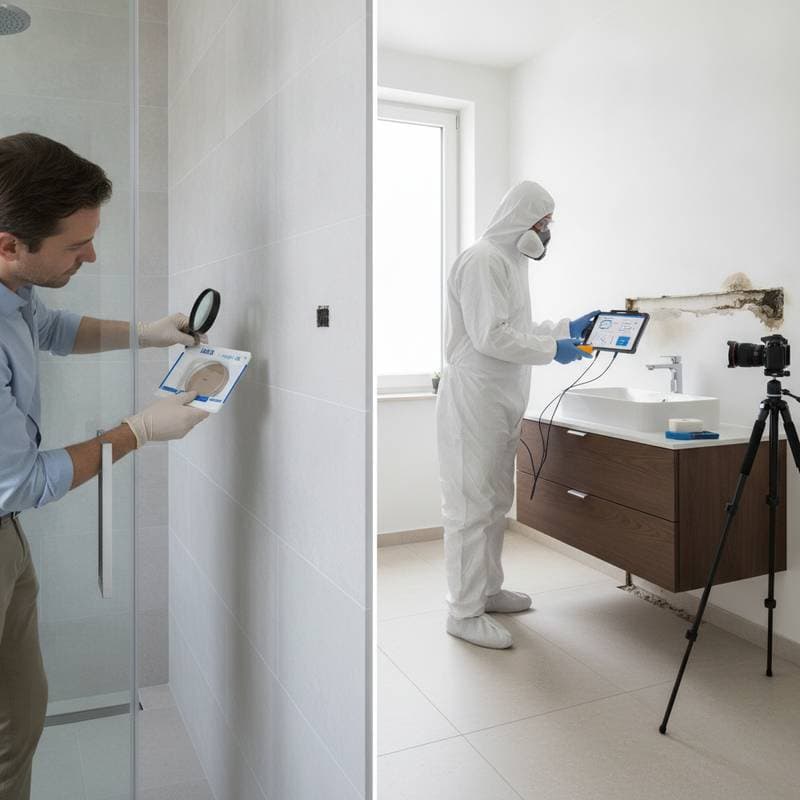
Extensive mold patches covering over ten square feet, accompanied by musty odors or health concerns.
-
Suspected off-site drainage issues, such as shared sewer lines or neighbor property runoff.
Specialists perform comprehensive evaluations using tools like infrared cameras and moisture probes to pinpoint sources. They devise tailored solutions, including interior drainage membranes or exterior membrane applications, and supply certification documents. These records assist in negotiating insurance reductions of up to 15 percent post-installation.
Strategies to Lower Insurance Premiums Through Floodproofing
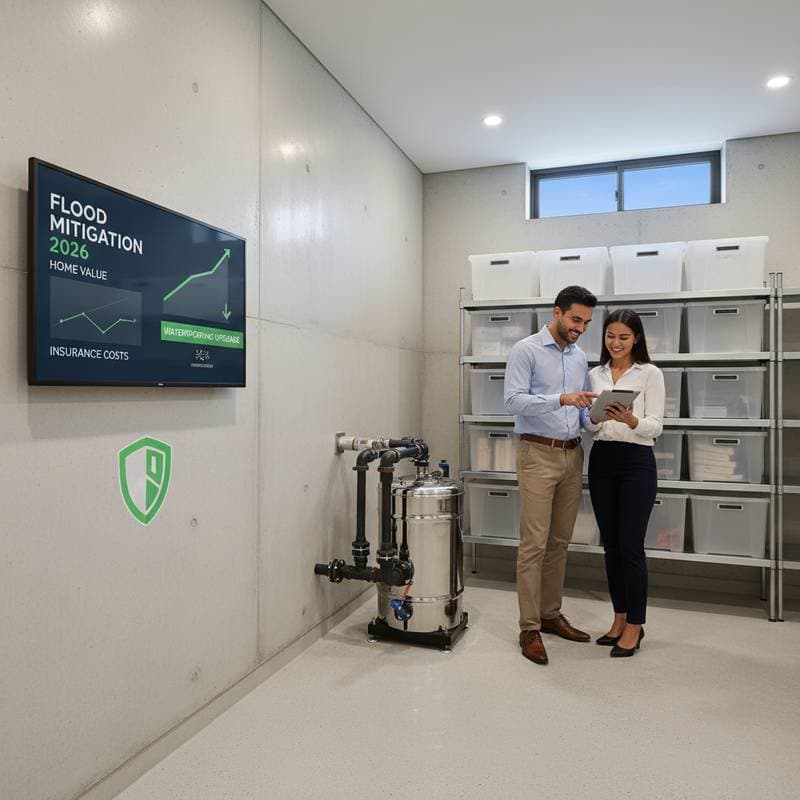
Insurers assess policies according to perceived vulnerability. Properties equipped with verified flood mitigation features qualify as reduced-risk assets, prompting premium adjustments downward. Specific incentives include rebates for sump pump installations, backwater valve additions, or full perimeter drainage systems.
Proactive enhancements signal diligence to underwriters, diminishing claim likelihood and associated expenses. Document all upgrades meticulously: retain invoices, before-and-after photographs, and contractor warranties. This portfolio streamlines future interactions with insurers, potentially accelerating claim approvals and reimbursements during incidents.
Sustaining Flood Resistance Over Time
Effective floodproofing demands continuous attention rather than isolated efforts. Establish these protocols to preserve system integrity:
-
Conduct full basement inspections within 48 hours after significant precipitation events, checking for damp spots or unusual odors.
-
Perform sump pump functionality tests every three months, logging results in a maintenance journal.
-
Schedule biannual exterior drainage reviews, clearing catch basins and French drains of silt.
-
Refresh sealant applications on walls and joints every three to five years, depending on exposure.
-
Track indoor humidity with a digital hygrometer, aiming to maintain levels below 50 percent through dehumidifier use if required.
Minimal weekly commitments yield substantial protection, adapting to seasonal variations like heavy spring thaws or summer storms.
Strengthening Your Home's Defenses
Mastering basement care builds assurance without demanding advanced training. Focus on observation and incremental progress to fortify your property against regulatory shifts. Basements transform from liability zones into versatile living areas, free from moisture threats.
Anticipate 2026 standards by initiating upgrades today, ensuring compliance while elevating usability. Reduced anxiety over potential floods allows greater enjoyment of home life.
Implementing Protective Measures Now
Grasp water dynamics, uphold key systems, and recognize escalation points to navigate mandates seamlessly. Beyond mere adherence, these practices uphold structural integrity, livability, and financial prudence. Commence with accessible tasks, scaling to comprehensive solutions as insights grow. Professional guidance remains a valuable resource for optimal outcomes.