Granny Pods: Efficient ADUs for Aging in Place in 2026
Home renovation initiatives nationwide are evolving toward greater personalization, with granny pods at the forefront of this trend. For individuals with aging parents or those preparing for their own future needs, these compact backyard residences are reshaping approaches to long-term care. As construction expenses rise and assisted living fees escalate at an even steeper rate, the concept of incorporating a modest, independent dwelling in the backyard gains significant appeal.
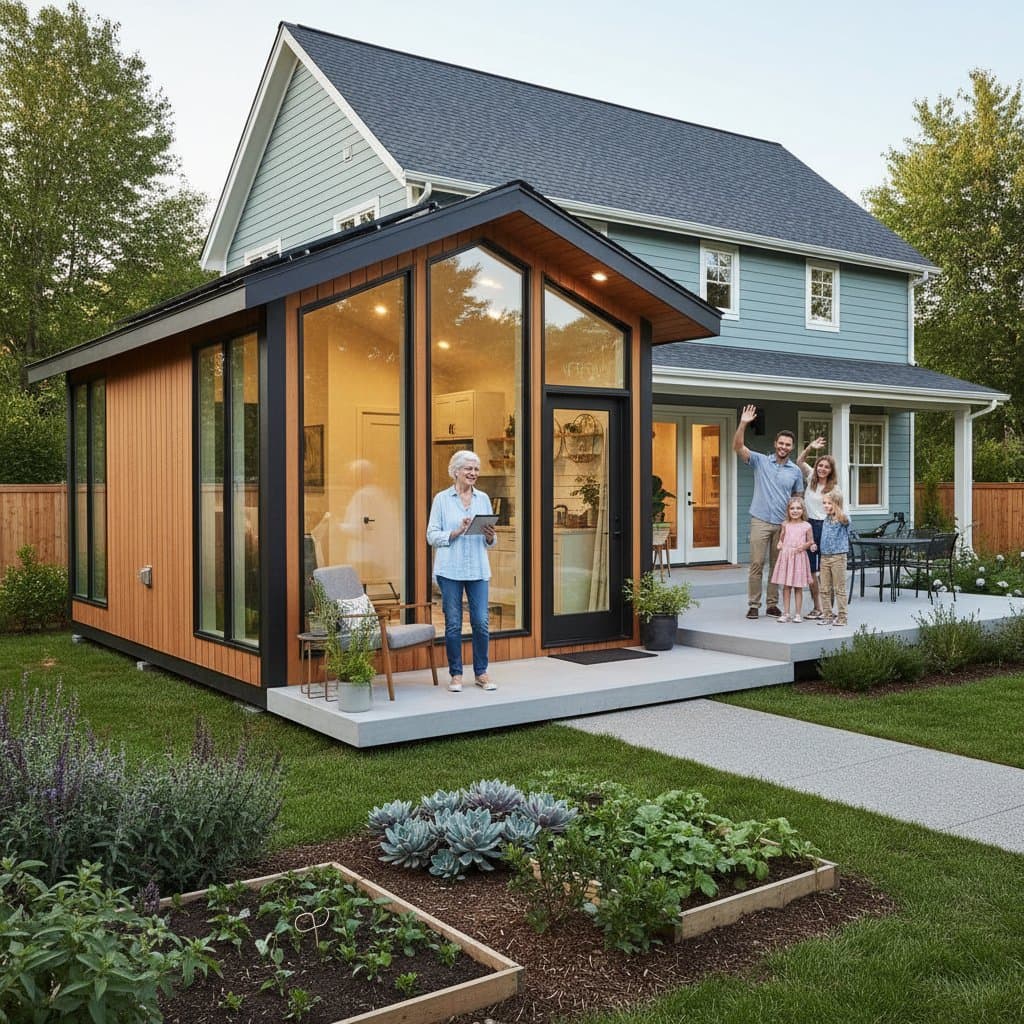
A granny pod extends beyond a simple shed or guest accommodation. It functions as a meticulously designed accessory dwelling unit (ADU) that prioritizes safety, comfort, and autonomy. Executed properly, such a structure fosters family closeness while preserving personal privacy.
Factors Driving the Rise of Granny Pods
The housing market remains constrained, and elevated mortgage rates render property expansions challenging for numerous households. Concurrently, multigenerational arrangements regain prominence. Granny pods address this need effectively by enabling proximity to loved ones through distinct living areas.
Prefabricated producers have intensified manufacturing efforts, yielding faster assembly times and reduced material waste relative to conventional methods. The primary catalyst for their surge in popularity lies in expense management. Assisted living arrangements typically range from $5,000 to $8,000 monthly per occupant. In contrast, a granny pod represents a singular upfront expenditure that recoups its value within a few years. Furthermore, it possesses potential for subsequent use as a rental unit or guest space, thereby enhancing the property's overall utility.
Evaluating Build Options: DIY Versus Professional Services
Certain property owners contemplate self-assembly of granny pods via modular kits. Although this approach may appear attractive, success proves elusive without prior construction expertise. Electrical, plumbing, and accessibility elements must comply with local building codes, often necessitating certification from a qualified specialist.
Scenarios for DIY Involvement
- Basic site groundwork, including landscaping or establishing a gravel foundation
- Interior finishing tasks like painting and installing trim after primary construction
- Addition of low-voltage systems, such as automated lighting controls
Scenarios Requiring Professional Expertise
- Installation or modification of electrical and plumbing infrastructures
- Assembly of prefabricated structural components
- Incorporation of accessibility features, including ramps and support rails
When weighing partial self-construction against comprehensive professional oversight, consider personal availability, technical proficiency, and regional regulatory demands. Numerous prefabrication firms now provide blended services, allowing owners to handle select phases for cost reduction while upholding safety standards.
Obtain estimates from at least three regional contractors prior to final decisions. Evaluating proposals for complete installations alongside modular setups reveals genuine opportunities for savings.
Customization Options for Design and Accessibility
A key advantage of granny pods resides in their adaptability to support mobility and enhance daily comfort. Standard configurations often feature:
- Entrances without thresholds to accommodate wheelchairs or walkers
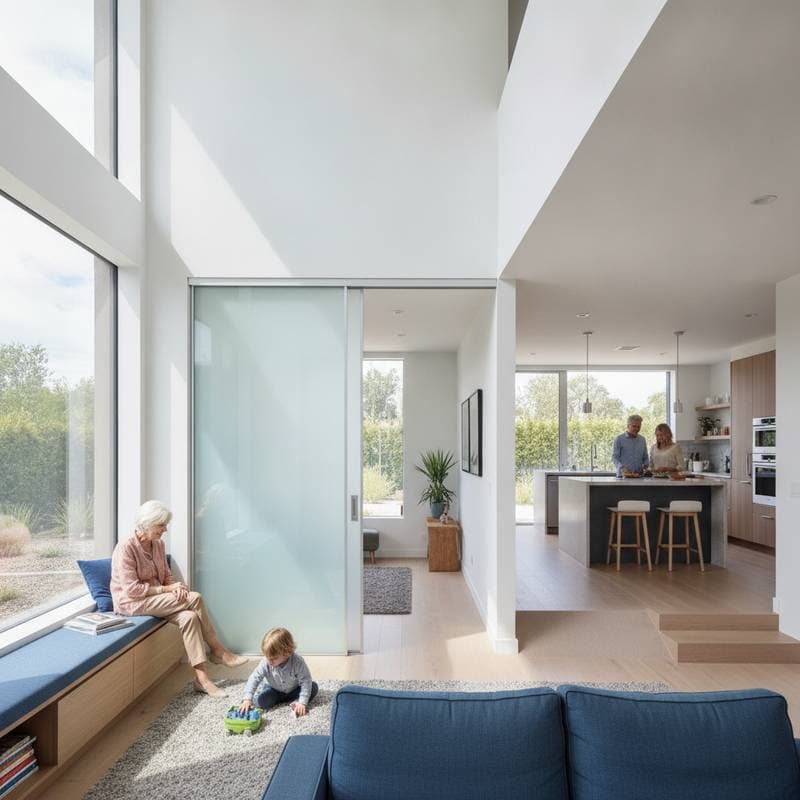
- Broad interior doorways to facilitate unimpeded navigation
- Barrier-free showers equipped with integrated seating
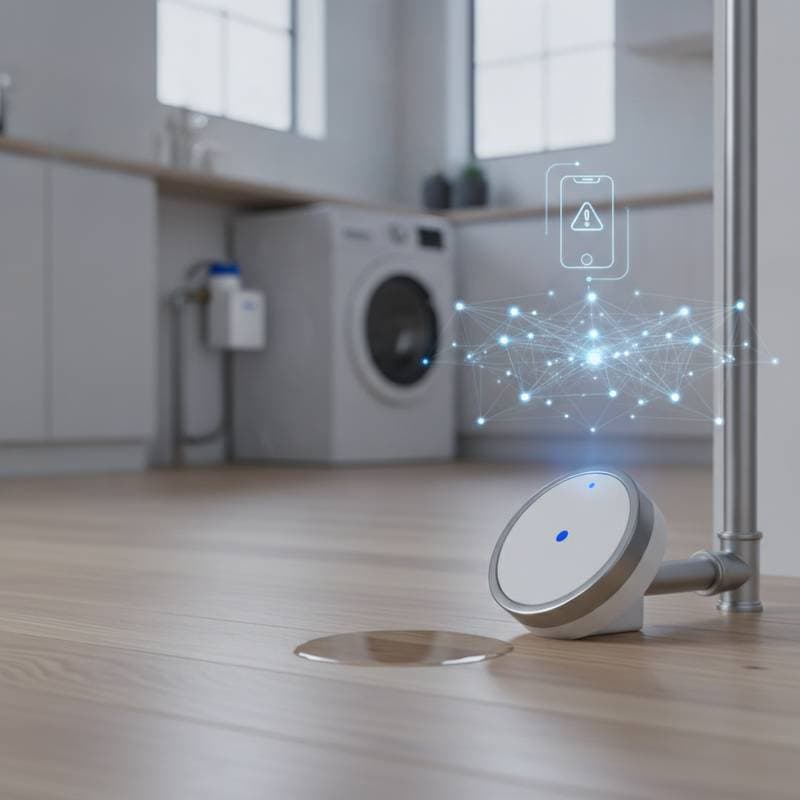
- Integrated smart systems for overseeing climate, illumination, and urgent notifications
Selecting a compact kitchenette over a complete culinary area proved beneficial in one instance, as it conserved space and minimized plumbing requirements while aligning with shared family meals. Prioritize the intended occupant's routines over generic layouts when tailoring the design.
Assessing Long-Term Benefits and Financial Returns
A well-constructed granny pod can elevate property appraisal by 20 to 35 percent, varying by locale. This addition imparts versatility that appeals to prospective purchasers, irrespective of rental intentions. Models incorporating energy-efficient technologies, such as solar panels or superior insulation, lower operational expenses by 25 to 40 percent, yielding additional sustained economies.
Should rental use arise, compact ADUs commonly yield $1,200 to $2,000 in monthly revenue, contingent on prevailing market conditions. Such earnings accelerate recovery of the original outlay.
Evaluate prospective utility reductions during the selection of materials and fixtures. Advanced insulation, efficient heating systems, and high-performance glazing significantly influence both habitability and expenditure.
Strategies for Ongoing Preservation
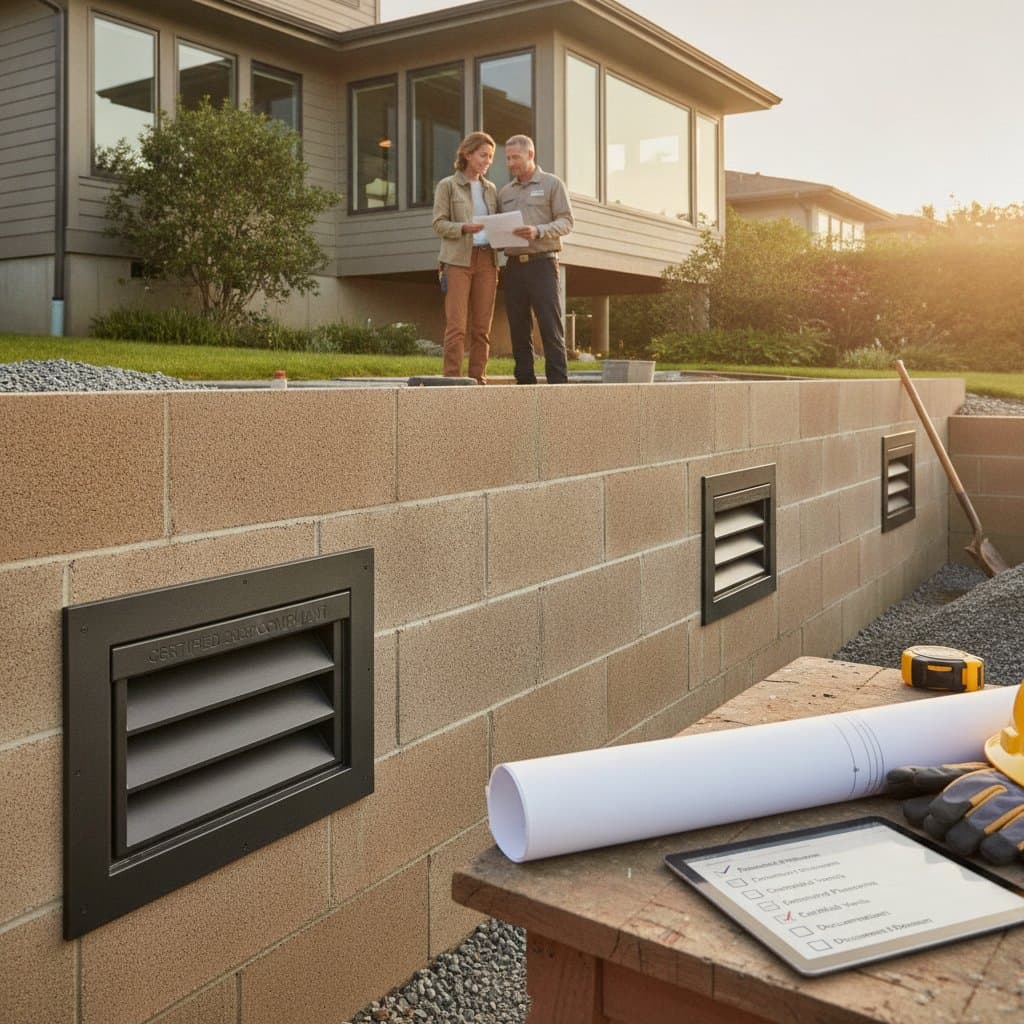
Granny pods, akin to other built environments, demand consistent maintenance to sustain functionality. Schedule roof evaluations biennially, annual servicing for heating and ventilation systems, and routine inspections of plumbing components. Monitor for water accumulation around the base, particularly if the unit elevates below the primary residence level.
For prefabricated units with steel or composite facades, apply gentle cleaning solutions one to two times annually. Wooden exteriors necessitate resealing or repainting every five years to mitigate elemental wear.
Address any electrical or plumbing concerns through licensed technicians. The condensed layout of ADUs often conceals utilities within confined access points, demanding specialized handling for secure resolution.
Steps to Implement Your Granny Pod Project
Initiate the process by consulting local zoning regulations to confirm ADU permissibility and size constraints. Engage an architect or designer familiar with accessory units to draft plans that integrate seamlessly with your existing landscape.
Select a reputable prefabrication provider emphasizing code compliance and customization. Budget for permits, site preparation, and utility connections, which may comprise 20 to 30 percent of total costs.
Finally, involve the future occupant in design discussions to ensure the space aligns with their preferences and needs. This collaborative approach not only optimizes comfort but also reinforces familial support structures for years ahead.