Enhancing Bathroom Safety Through Medicare Reimbursements in 2026
Homeownership often involves balancing joy with practical challenges, particularly when ensuring safety for yourself or an aging relative. Bathrooms pose significant risks due to wet surfaces and uneven steps, where falls can lead to serious injuries. Medicare's 2026 reimbursement initiative addresses these concerns by offsetting costs for targeted modifications, allowing you to foster a secure environment without overwhelming expenses.
This support requires no deep expertise in building or policy. By following structured steps, you can select upgrades that align with your needs and financial situation, promoting long-term well-being.
Key Modifications Eligible for Medicare Reimbursement
Medicare focuses reimbursements on features that directly mitigate fall hazards and enhance mobility. Eligibility hinges on medical necessity, typically verified by a physician. Below are primary options that qualify under the 2026 guidelines.
Grab Bars and Support Rails
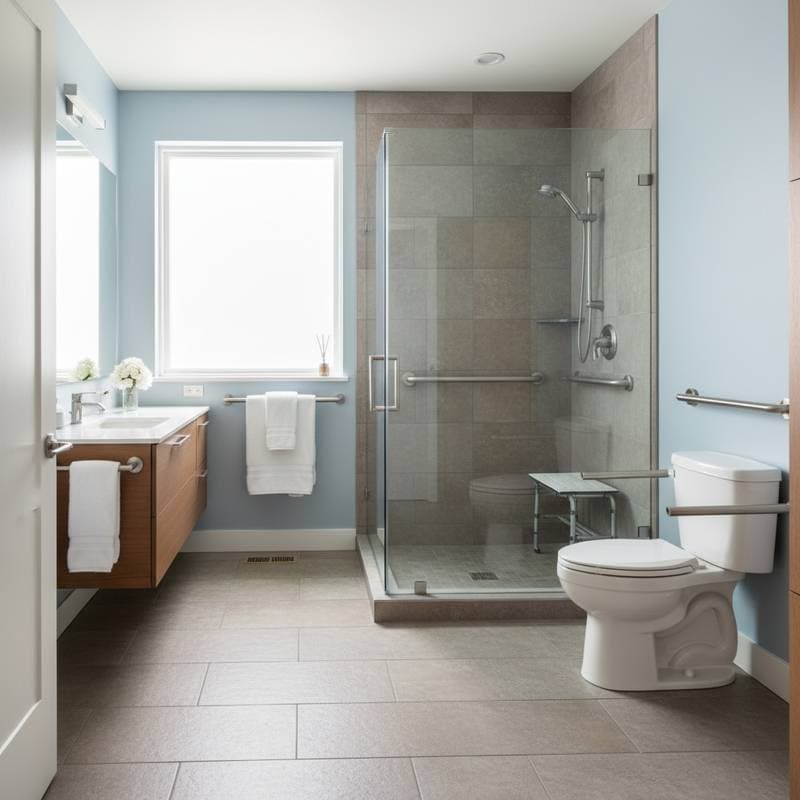
Grab bars offer immediate support during transfers, such as stepping into a tub or rising from the toilet. Position them at 33 to 36 inches above the floor, anchored securely to wall studs for stability. Reimbursement applies when a doctor certifies their role in preventing falls for patients with balance issues or mobility limitations.
Walk-In Shower Conversions
Transitioning from a tub to a walk-in shower eliminates high steps that contribute to trips. Opt for models with thresholds under two inches and built-in benches for seated bathing. These conversions receive partial coverage if prescribed to aid those recovering from hip surgery or managing arthritis, reducing strain on joints.
Elevated Toilet Seats
Raised seats lower the effort required for sitting and standing, benefiting individuals with knee or hip conditions. Select models that add four to six inches in height and lock firmly onto existing toilets. Coverage is common post-surgery or for chronic mobility challenges, as documented by a healthcare provider.
Anti-Slip Surface Treatments
Wet tiles amplify slip risks, but applying non-slip coatings or replacing floors with textured materials like porcelain with grit additives improves grip. These enhancements pair well with other upgrades and may qualify for reimbursement when part of a comprehensive safety plan addressing documented fall history.
Adjustable Showerheads
Hand-held units enable bathing from a chair or while seated on the tub edge, minimizing reach and fatigue. Choose models with flexible hoses at least 60 inches long and multiple spray settings. Medicare includes them in broader accessibility approvals, especially when integrated with grab bars or benches.
Evaluating DIY Options Against Professional Installation
Deciding between self-installation and hiring experts depends on the project's complexity and your skill level. Simple changes preserve budget and time, while intricate work demands certified handling to uphold safety and reimbursement eligibility.
Suitable for DIY Efforts
- Affixing peel-and-stick non-slip mats to tub floors or shower bases.
- Securing tension-pole grab bars that require no drilling.
- Swapping standard showerheads for hand-held versions using basic tools.
- Installing brighter LED bulbs or motion-sensor lights to illuminate pathways.
Tasks Requiring Professional Expertise
- Drilling and mounting permanent grab bars into wall framing.
- Demolishing and reinstalling bathtubs or toilets.
- Modifying electrical circuits for heated floors or additional outlets.
- Repositioning pipes to accommodate new shower pans or vanity heights.
Before proceeding, secure a physician's note on necessity. Then, engage a contractor versed in universal design principles; they provide the precise estimates and compliance certifications Medicare demands.
Indicators for Engaging Certified Contractors
Certain modifications involve risks that exceed amateur capabilities, such as structural alterations or code adherence. Professionals guarantee durability and alignment with federal standards, streamlining your reimbursement path.
Hire specialists when the scope includes:
- Any manipulation of water lines or wiring.
- Removal of built-in fixtures like vanities or enclosures.
- Adherence to ADA guidelines for clearance and reach ranges.
- Preparation of detailed reports for insurance or Medicare audits.
Request multiple bids from licensed firms, prioritizing those with experience in senior-friendly renovations. Insist on post-installation warranties and photographic evidence of the completed work to support your claim.
Navigating the Medicare Reimbursement Steps
The process involves sequential actions to secure approval and funds. Familiarity with each phase prevents delays and ensures full benefits.
-
Secure Medical Documentation: Schedule an evaluation with your doctor to establish how upgrades address specific health risks, such as osteoporosis-related falls.
-
Obtain Detailed Contractor Quotes: Solicit bids outlining materials, labor, and compliance features from at least two vetted providers.
-
File for Pre-Approval: Submit forms via your Medicare portal or representative before starting work, including the doctor's letter and estimates.
-
Retain Comprehensive Records: Collect all invoices, before-and-after photos, and contractor certifications as proof of execution.
-
Monitor and Appeal if Needed: Track status online; if denied, resubmit with additional details within 120 days.
Pitfalls to Sidestep in Safety Projects
Well-intentioned efforts can falter without foresight, compromising both safety and finances. Address these issues proactively to achieve reliable outcomes.
- Bypassing doctor input, which invalidates claims.
- Accepting substandard fittings that fail under weight.
- Discarding paperwork, leading to processing rejections.
- Overlooking pathway clearance or illumination upgrades.
- Skipping routine inspections, which diminish upgrade effectiveness over time.
Diligent preparation safeguards investments and health alike.
Implementing Your Safety Plan
Assess your bathroom for hazards like loose rugs or poor lighting, then prioritize based on medical advice. Compile a prioritized list of modifications, gather quotes, and initiate the Medicare application promptly to leverage 2026 benefits.
These enhancements extend beyond requirements; they empower daily independence and reduce injury worries. For personalized guidance, consult a Medicare advisor or home modification expert to tailor solutions effectively.