Stylish Grab Bars for Safe Aging in Place
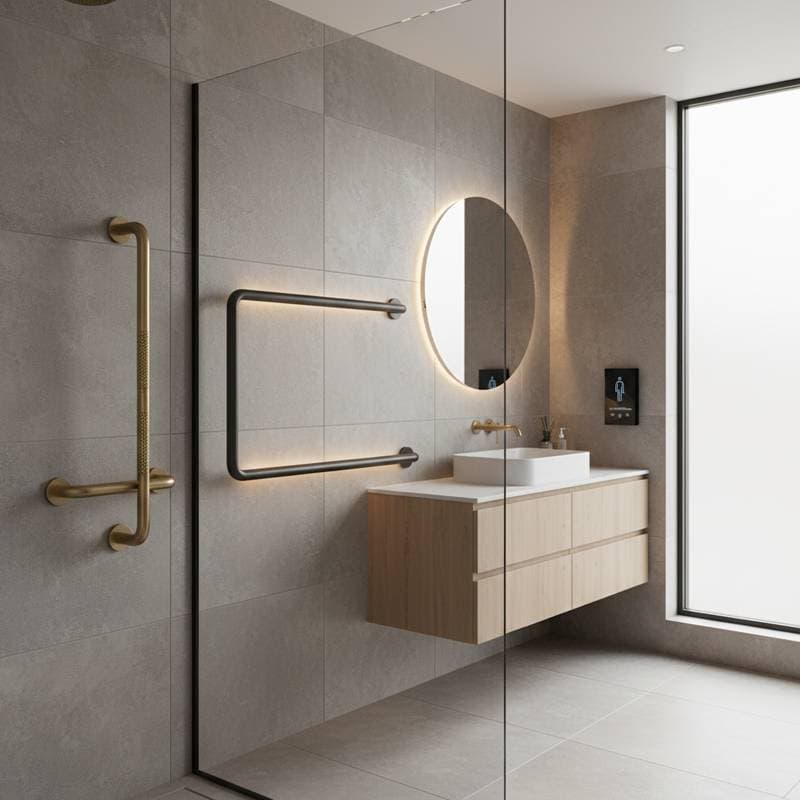
Homeowners increasingly prioritize features that support mobility and independence as they plan for long-term living. Accessibility elements like grab bars have shifted from basic tools to sophisticated components that harmonize with contemporary decor. The newest models demonstrate that robust safety can align with refined visual appeal, making them essential for modern homes.
System Overview
Technology Type: Structural support and safety fixture
Efficiency Rating: Assessed by load capacity and material durability
Climate Zones: Adaptable to all DOE zones, with special attention to moisture in humid environments
Average Capacity: 250 to 500 pounds static load
Typical Lifespan: 15 to 25 years under correct installation and care
Installation Complexity: Moderate, involving secure wall anchoring and adherence to building codes
Regional Performance Analysis
Grab bar effectiveness varies with local conditions, particularly climate and humidity levels. In coastal or southern areas prone to moisture, select stainless steel variants featuring marine-grade 316 alloys for superior resistance to corrosion. These materials withstand saltwater exposure and maintain structural integrity over time.
Colder climates introduce challenges from condensation on metal surfaces, increasing slip risks. Opt for bars with thermal breaks or slip-resistant textured coatings to mitigate this issue. In arid desert regions, prioritize UV-resistant finishes that guard against sun-induced fading and material breakdown. Align material choices with specific environmental factors to guarantee reliable, long-term performance.
Integration Considerations
Successful grab bar installation demands careful coordination with wall construction. Reinforce walls with blocking to direct loads into sturdy framing elements, preventing shifts under pressure. For tiled surfaces, employ a diamond-tipped drill bit to avoid cracks and preserve the finish during mounting.
Smart grab bars incorporating lighting or sensors require electrical integration. Route low-voltage wiring through wall cavities or conduits to keep it hidden and protected. Plan placements alongside plumbing and electrical systems to prevent conflicts, ensuring a smooth retrofit.
In renovation projects, incorporate grab bars during initial planning stages. This approach allows for proper reinforcement and matching finishes. Many advanced systems connect to smart home platforms, enabling adjustments to lighting or tracking of usage for enhanced safety monitoring.
Key Performance Comparisons
| System Type | Load Rating (lbs) | Corrosion Resistance | Maintenance Level | Visual Integration | Average Cost |
|---|---|---|---|---|---|
| Stainless Steel | 500 | Excellent | Low | Moderate | $$ |
| Integrated Fixture | 350 | Good | Moderate | High | $$$ |
| Designer Composite | 300 | Moderate | Low | Very High | $$$ |
| Smart Grab Bar | 400 | Excellent | Moderate | Very High | $$$$ |
Code and Compliance
Grab bars adhere to ADA standards for height, positioning, and strength. Mount them 33 to 36 inches above the floor for optimal reach. Horizontal orientations aid balance during transfers, whereas vertical or angled setups suit tasks like stepping into bathtubs.
Building codes typically invoke ASTM F446 and ANSI A117.1 for structural and measurement requirements. Verify compliance to satisfy safety and accessibility regulations, safeguarding users and installers alike.
Energy and Environmental Considerations
Grab bars themselves draw no significant energy, yet their production and coatings affect ecological footprints. Stainless steel offers high recyclability, reducing waste in manufacturing. Powder-coated options release fewer volatile organic compounds than solvent-based paints, promoting healthier indoor air.
LED-equipped smart bars use under one watt hourly, minimizing power draw. Choose durable materials to lessen replacement needs and conserve resources. Within eco-conscious designs, these elements foster secure, sustainable habitats.
Maintenance and Longevity
Routine care preserves grab bar functionality. Inspect mounts quarterly for secure screws, check finishes for wear, and scan for corrosion signs. Seal electrical components on smart models against humidity to avoid malfunctions.
In moist environments, apply a protective sealant annually to shield surfaces. Address loosening or damage promptly through re-anchoring to avert failures. Quality designs facilitate replacements with minimal disruption to adjacent areas.
Selecting and Installing Your Ideal Grab Bars
Evaluate support needs around high-traffic spots like bathrooms and hallways. Consider climate impacts and style preferences when choosing materials, such as sleek stainless for minimalist spaces or composites for bold accents.
Engage licensed installers for projects involving structural changes or wiring. Consult occupational therapists for ergonomic assessments to optimize placements. These steps ensure grab bars deliver enduring safety alongside aesthetic enhancement, supporting graceful aging in a personalized home environment.