Bathroom Remodel Costs in 2026: Essential Insights for Homeowners
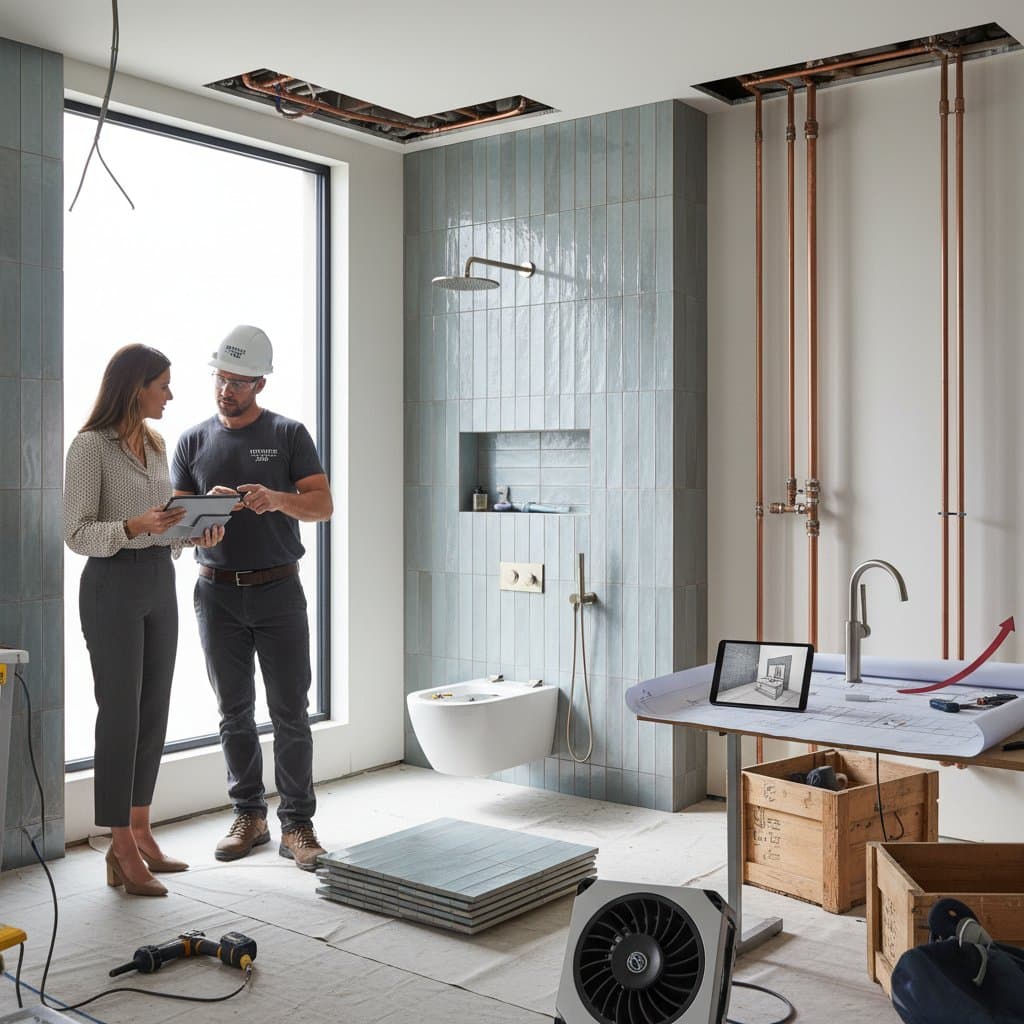
Homeowners often weigh timing, expenses, and enduring benefits when planning a bathroom remodel. These projects rank among the most intricate in home construction, blending plumbing, electrical, ventilation, and moisture control within limited space. Each element must satisfy practical needs while delivering visual appeal. Grasping the interplay of these systems empowers informed decisions and curbs unexpected costs.
Factors Driving Higher Costs
Multiple elements contribute to escalating bathroom remodel expenses in 2026. Demand for premium materials like natural stone, ceramic tiles, and engineered quartz has pushed prices upward, with quartz slabs averaging 20 percent more than in prior years due to supply chain pressures. Labor shortages for certified plumbers and electricians have driven hourly rates to 15 to 25 dollars higher per professional in many markets.
Evolving regional building codes add further layers. Updates mandate enhanced GFCI outlets in all wet areas, low-flow fixtures limited to 1.28 gallons per flush for toilets, and ventilation systems achieving at least 50 cubic feet per minute of airflow. These standards enhance safety and resource conservation yet demand more intricate wiring and ductwork, increasing labor by up to 30 percent.
Homeowner choices for advanced features amplify budgets. Options such as underfloor radiant heating, which distributes warmth evenly at 12 to 15 watts per square foot, or app-controlled showers with temperature presets require custom integration. Electrical demands for these innovations can double the wiring scope, comprising nearly 40 percent of overall project costs in upscale renovations.
System Essentials
Bathroom systems encompass plumbing, electrical, ventilation, and surface finishes, each calibrated for performance in confined environments.
- Technology Focus: Integrated plumbing, electrical, ventilation, and durable finishes.
- Efficiency Standards: WaterSense-certified components, including 1.28 gpf toilets, 1.5 gpm faucets, and 2.0 gpm showerheads.
- Climate Adaptability: Suitable for all U.S. Department of Energy zones, with ventilation adjusted for high-humidity regions to prevent mold.
- Capacity Norms: Exhaust fans rated 80 to 150 CFM; radiant heating at 12 to 15 watts per square foot.
- Durability: 15 to 25 years under routine care.
- Setup Demands: Ranges from moderate for basic updates to complex for full-system overhauls.
Performance Breakdown
Comparing core systems reveals trade-offs in cost, upkeep, and sustainability.
| System Type | Efficiency Metric | Cost Range (per sq ft) | Upkeep Needs | Eco Footprint |
|---|---|---|---|---|
| Basic Plumbing | WaterSense optional | $50–$100 | Annual checks | Moderate |
| Intelligent Fixtures | WaterSense with sensors | $150–$300 | Biannual tweaks | Low |
| Radiant Heating | 95% energy transfer | $10–$20 | Rare servicing | Low |
| LED Integration | 100 lumens per watt | $5–$15 | Minimal | Very Low |
| Exhaust Ventilation | ENERGY STAR 80–150 CFM | $200–$500 | Yearly cleaning | Low |
These metrics guide selections based on priorities like water savings or energy efficiency.
Planning for Success
Effective remodels start with defined goals, such as prioritizing water conservation or user comfort. Obtain itemized quotes separating material procurement, skilled labor, and compliance upgrades. Evaluate total ownership costs, factoring in energy bills over 20 years, to identify value beyond initial outlays.
Prior to commencement, confirm component adherence to local regulations and contractor credentials. Secure specification sheets for all items, verifying metrics like airflow rates for fans or thermal output for heaters. Engage professionals experienced in systems integration to minimize rework.
Achieving Lasting Value
View the bathroom as an interconnected network of utilities and controls. This perspective fosters a space that operates seamlessly for years, blending efficiency with everyday usability. Through meticulous preparation, regulatory alignment, and precise execution, the renovation evolves from expense to asset, boosting home equity and resident satisfaction.