Indoor Gardens Reduce HVAC Costs by 30 Percent
An indoor garden offers more than visual appeal when integrated thoughtfully into home design. Strategic placement of plants, selection of growing media, and planning for air circulation allow these systems to lower heating and cooling demands by up to 30 percent. This approach combines plant biology with building systems to regulate temperature and humidity levels effectively.
How These Systems Function
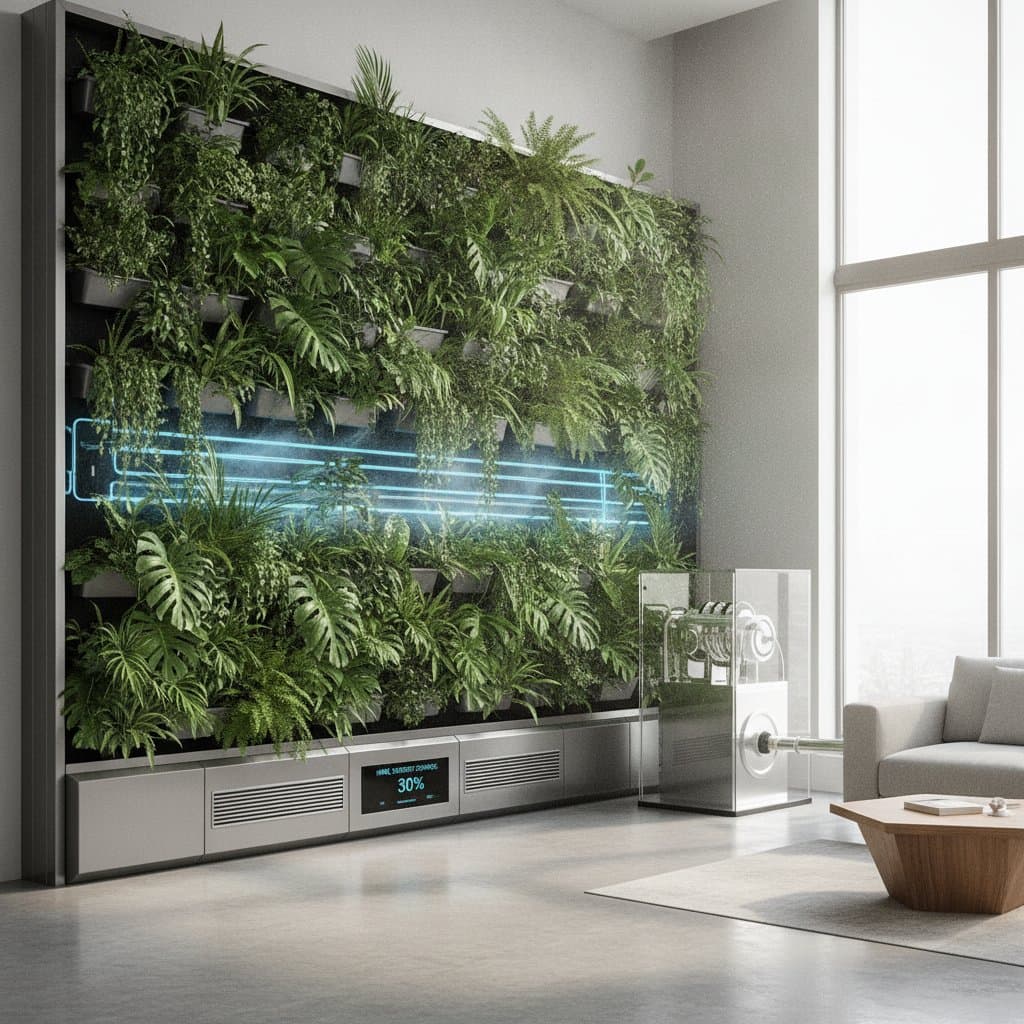
Living walls and indoor gardens interact with HVAC equipment through several mechanisms. Plants facilitate evaporative cooling as moisture evaporates from leaves. They also provide shade and help control humidity when air flows properly across the foliage. These processes reduce the workload on mechanical systems while improving overall air quality.
Performance varies by region. In hot and humid areas, careful ventilation prevents excess moisture. Arid climates benefit most from the cooling effect. Colder zones can use plants near windows to manage solar heat gain throughout the day.
| DOE Climate Zone | Best Indoor Garden Strategy | HVAC Cost Reduction | Maintenance Level |
|---|---|---|---|
| Zone 2 (Hot-Humid) | Low-water-use tropicals with mechanical dehumidification | 20% | Moderate |
| Zone 3 (Warm-Mixed) | Balanced foliage and airflow integration | 25% | Moderate |
| Zone 4 (Mixed) | High-density planting near glazing for solar moderation | 30% | Moderate |
| Zone 5 (Cool) | South-facing gardens with radiant floor integration | 28% | High |
| Zone 6 (Cold) | Compact modular gardens using LED grow lighting | 22% | Moderate |
This regional variation shows why designs must account for local conditions. A setup effective in one city often needs adjustments for another climate.
Integration with Existing HVAC Systems
Airflow design and moisture control determine success when adding a garden to an existing HVAC setup. Low-velocity air movement across foliage improves evaporative exchange without damaging leaves. Position supply registers to direct air toward plants and place return ducts to capture conditioned air downstream.
Electrical support becomes necessary if natural light falls short. Horticultural LED fixtures operate efficiently and produce little excess heat. Drainage and waterproofing matter most for walls on interior partitions next to living spaces.
Installation and Compliance Requirements
Building codes address moisture control, electrical safety, and structural support. Saturated living walls can exceed 10 pounds per square foot, so walls must handle that load. Irrigation lines need backflow prevention to protect drinking water. Lighting circuits require dedicated GFCI protection. HVAC duct connections should involve a licensed mechanical contractor to maintain proper balance and manage condensation.
Ongoing Care and System Longevity
Consistent care keeps performance stable over time. Check irrigation lines monthly for leaks. Clean biofiltration filters quarterly. Adjust pruning and nutrients to sustain plant density, which influences thermal benefits. A well-maintained system can operate for up to 20 years before major updates.
Humidity sensors and smart controllers reduce manual effort. Linking these devices to a thermostat allows automatic adjustments that maintain steady indoor conditions.
Adapting to Future Climate Shifts
Homes will encounter more temperature extremes and extended cooling periods. Indoor gardens adapt because transpiration rates rise with outdoor heat, increasing their cooling contribution. Modular designs let homeowners expand capacity as needed.
New options such as variable refrigerant flow integration and plant-based sensors improve coordination between living systems and mechanical equipment. These advances support comfort with lower energy use.
Getting Started with Implementation
Begin by calculating current heating and cooling loads. Identify spots where solar gain or poor airflow increases system strain. Work with a mechanical engineer or energy auditor experienced in biophilic design to define airflow needs and structural limits.