Preparing for 2026 Grid Outages with Home Battery Backups
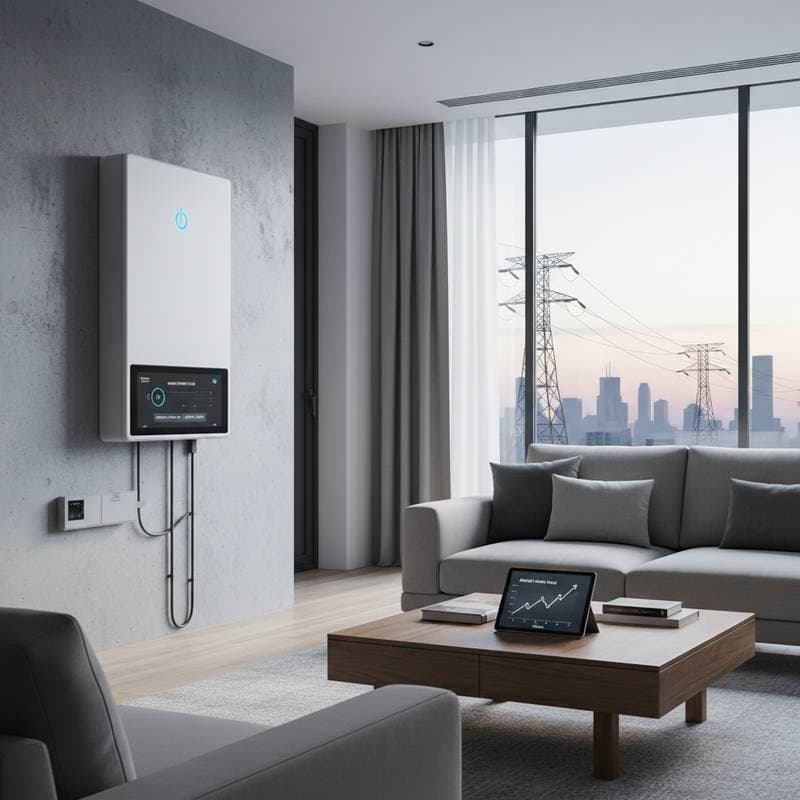
Power grid instability has become a common concern. Frequent rolling blackouts, weather-induced disruptions, and periods of peak demand transform dependable electricity from an expectation into an uncertainty. Home battery backups provide a reliable solution, offering control during grid failures, sustaining vital systems, and contributing to reduced energy expenses over time.
The Growing Necessity of Home Battery Backups
Rising energy consumption strains aging infrastructure. Heat waves, severe winter weather, and the expansion of home electric vehicle charging intensify grid pressures. Homeowners address these issues by adopting backup systems that capture electricity during low-rate periods and deliver it during outages. Beyond mere convenience, these systems safeguard household comfort and security.
Initial cost considerations may deter potential adopters. However, experiences with prolonged outages, such as those lasting multiple days, highlight the value of such investments as essential protection. For households dependent on well pumps, medical equipment, or uninterrupted remote work capabilities, battery backups distinguish between significant inconvenience and seamless daily operations.
Exploring Battery Types and Their Capabilities
Lithium-Ion Batteries
Lithium-ion batteries dominate contemporary installations due to their compact design, high efficiency, and extended durability. These units typically deliver reliable performance for approximately 10 years before noticeable capacity degradation occurs. They suit residences requiring rapid, consistent power delivery during interruptions.
Saltwater Batteries
Emerging saltwater batteries prioritize environmental compatibility. They present lower risks during handling and simplify recycling processes, though their energy density falls short of lithium-ion alternatives. These batteries prove suitable for homes with moderate power requirements.
Lead-Acid Batteries
Lead-acid batteries represent a more traditional, budget-friendly choice. They necessitate regular upkeep and exhibit shorter operational lifespans compared to advanced options. While effective in basic applications, they occupy considerable space and demand ongoing vigilance.
Selection should emphasize systems equipped with thermal regulation and performance monitoring features. Such integrations enhance reliability and safeguard against performance issues in extreme weather conditions.
Strategic Timing for Installation
Opt for spring or fall seasons to schedule installations. These periods feature reduced contractor availability constraints, allowing preparation ahead of intense storm or heat events. Although supply chains for batteries have improved, surges in demand following major outages can lead to elevated prices and extended wait times. Proactive ordering mitigates these risks.
In areas prone to recurrent power losses, integrate a battery system with a compact backup generator. This hybrid configuration enables the generator to replenish battery reserves during prolonged blackouts, extending support for essential loads over several days.
Available Incentives and Financing Options
Current government and utility programs substantially ease the financial burden of battery installations. Rebates frequently offset 20 to 30 percent of total expenses. Certain states extend further credits for systems combined with solar installations. Financing avenues encompass specialized home energy loans or leasing arrangements that distribute costs across multiple years.
Prior to committing to any agreement, confirm rebate qualifications and processing timelines. Several initiatives mandate pre-approval prior to commencing work.
Calculating Return on Investment and Enduring Benefits
An appropriately scaled battery system can diminish monthly energy bills by 10 to 20 percent, contingent upon utility pricing models. By storing power during off-peak intervals and utilizing it during high-demand periods, cumulative savings accumulate rapidly. Integration with solar panels amplifies these advantages, as excess generation offsets grid reliance and enables profitable energy export.
Regarding property enhancement, energy-independent features appeal strongly to prospective buyers. Industry professionals note that battery systems convey both reliability and economic efficiency. Approximately 60 percent of the initial outlay may translate into increased home valuation, with remaining benefits realized through bill reductions and outage resilience.
Prioritizing Safety and Ongoing Maintenance
Contemporary battery installations incorporate robust safety protocols. Nonetheless, proper site conditions remain essential: maintain dryness, adequate ventilation, and distance from combustible items. Arrange yearly professional inspections to evaluate electrical connections and apply necessary firmware enhancements.
Address any indications of abnormal heat or scents by immediately deactivating the unit and contacting the installer. Refrain from accessing internal components or performing repairs independently. Adhere to regional guidelines for disposal and end-of-life replacements.
Compared to traditional generators, battery maintenance proves straightforward. No fuel management, oil checks, or filter replacements are required.
Steps to Implement Your System
Begin by analyzing your household's typical daily electricity consumption. Identify priority circuits for outage scenarios, such as refrigeration units, interior lighting, internet connectivity, and climate control mechanisms. Solicit detailed proposals from at least two certified installers, requesting simulations of various system capacities tailored to your needs.
Following installation, conduct routine tests to verify functionality. Initiate brief simulated outages to ensure seamless transfer to battery power for designated circuits. Maintain current software on monitoring applications and log usage patterns to optimize performance.
A meticulously executed home battery backup transcends emergency utility. It fosters stable energy budgeting, preserves living standards, and equips your residence for an era emphasizing personal energy resilience as a cornerstone of financial prudence.