
Home Battery Backup Costs Drop as 2026 Grid Risks Rise
Outages

Home Battery Backup Costs Drop as 2026 Grid Risks Rise

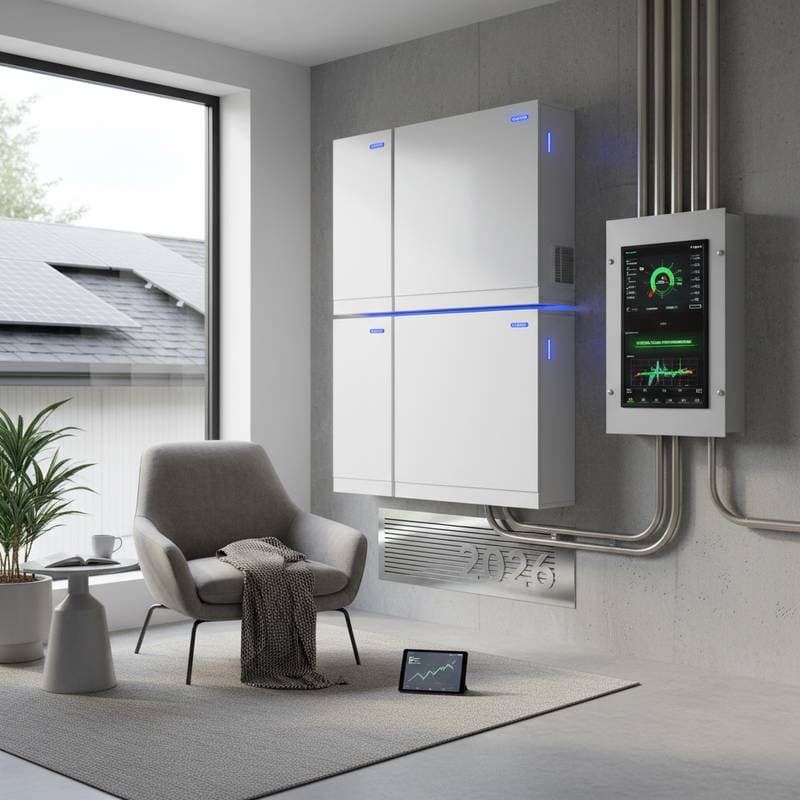
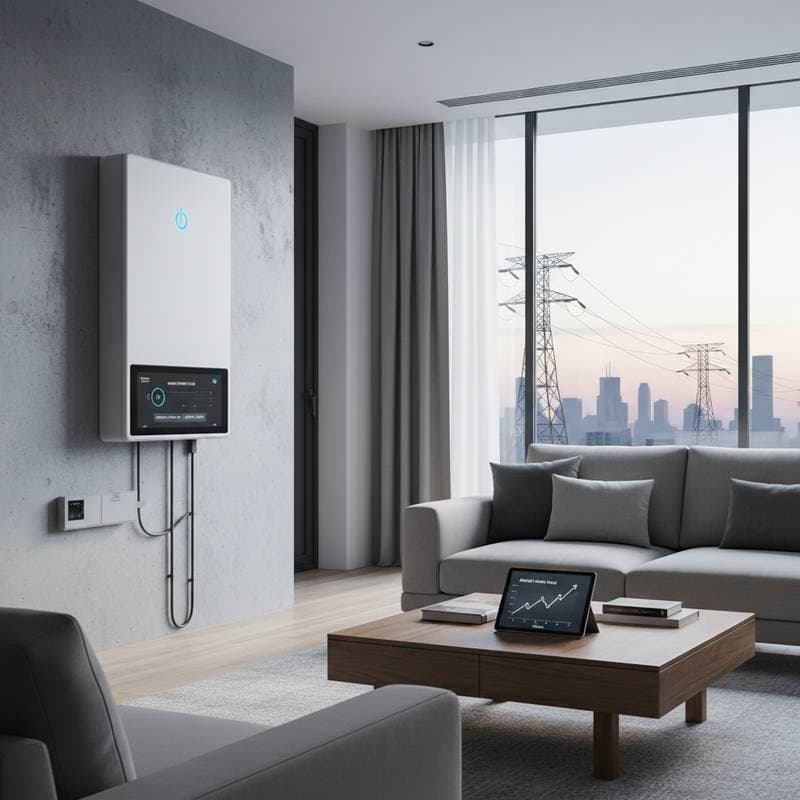
Grid reliability faces increasing challenges, positioning home battery backups as vital tools for energy self-sufficiency. This guide examines expenses, installation approaches, battery options, and available incentives. It illustrates how a thoughtfully designed system reduces utility costs, elevates property value, and ensures continuity of critical functions during power interruptions, establishing 2026 energy preparation as a wise financial decision.

By Stacy CadriApril 15, 2026
Read Article

More articles tagged #Outages

Explore our collection of outages related content

Battery Backups Keep Homes Running Through 2026 Outages

Battery Backups Keep Homes Running Through 2026 Outages

Fortify your residence against impending power disruptions with advanced battery backup solutions. This guide details system functionality, investment breakdowns, cost-reduction tactics, and long-term returns to ensure uninterrupted essentials like lighting, refrigeration, and connectivity.

Cody GautsonFeb 24
Why Home Battery Backups Beat Generators in 2026

Why Home Battery Backups Beat Generators in 2026

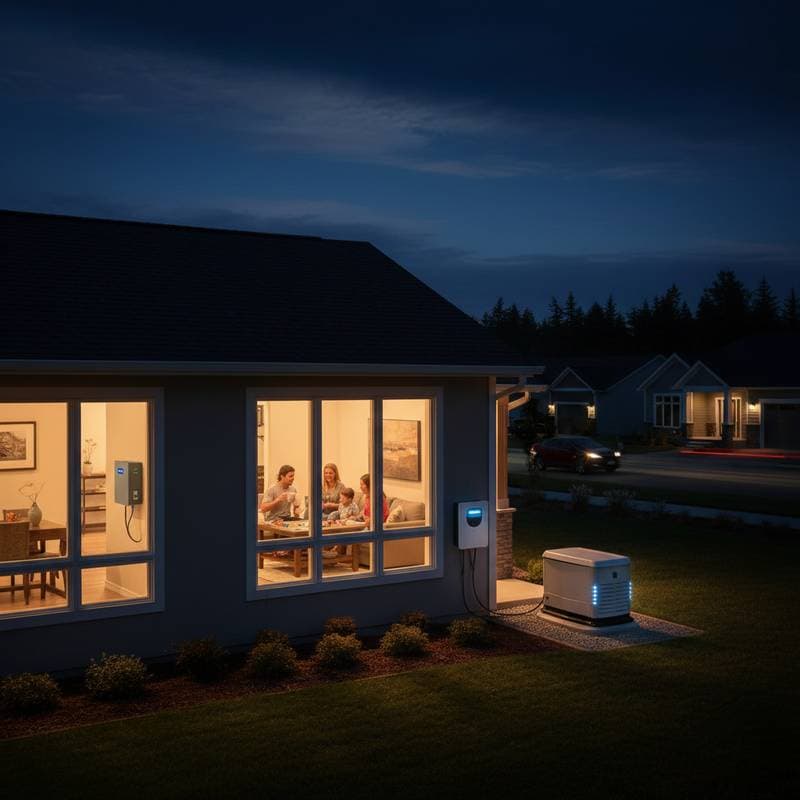
With increasing frequency of power outages, home battery systems stand out as vital protections heading into 2026. Lithium-ion technologies excel in efficiency, scalability, and intelligent control. Despite higher initial investments, these systems provide silent, emission-free power, frequently integrated with solar setups, granting homeowners true energy autonomy, durability, and substantial future savings.

Kelly AlyseFeb 23

Home Battery Backups Shield Against 2026 Outages

Power outages are forecasted to rise significantly by 2026, making home battery backups a vital solution for energy independence, cost reduction, and security. This guide details system selection, sizing, installation expenses, solar compatibility, financing options, and upkeep strategies to protect your property, increase its value, and maintain essential services without interruption.

5 min read
By Katlyn Polino