Key Takeaways
- Flood vents and wet floodproofing face increased regulations for homes in flood-prone areas to achieve FEMA compliance and adhere to local building codes.
- Accurate vent sizing, strategic placement, and official certification play crucial roles in securing insurance eligibility and enhancing structural safety.
- Wet floodproofing emerges as a viable strategy for basements, garages, and crawl spaces when implemented with suitable materials and thorough inspection records.
- Engineered vents offer superior coverage and potential insurance premium reductions compared to non-engineered options.
- Comprehensive documentation, including photos and certifications, proves compliance during insurance claims and inspections.
- Local codes build upon FEMA guidelines, incorporating regional factors like flood history and soil conditions for tailored requirements.
How Flood Vents Function in Flood Events
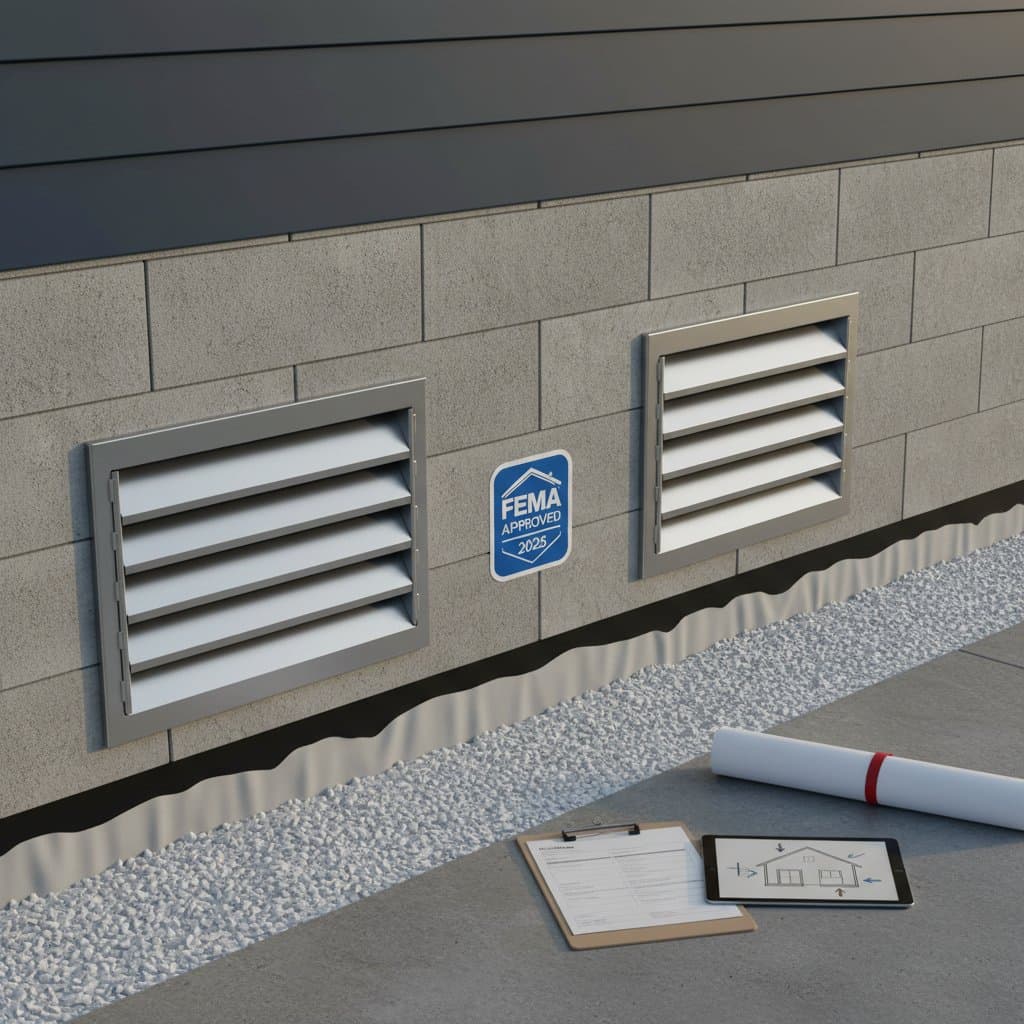
Flood vents allow water to enter and exit enclosed spaces freely as flood levels rise. This equalization of pressure between the interior and exterior prevents walls from bowing or collapsing under hydrostatic forces. Each vent requires installation at the base of exterior walls, free from obstructions such as insulation or debris.
Engineered vents feature mechanical components, like buoyant flaps, that activate automatically when water contacts them. These flaps permit bidirectional flow and seal shut once water recedes, blocking pests and sediment. Placement occurs near the lowest points of walls, with each vent serving a designated enclosure area.
FEMA standards typically mandate one square inch of net open area per square foot of enclosed space, though certified engineered vents achieve greater efficiency through rigorous testing. Homes equipped with these vents sustain minimal structural harm during floods and facilitate quicker insurance claim processing. Regular checks ensure vents remain operational year-round.
Selecting Between Engineered and Non-Engineered Flood Vents
Engineered vents justify their higher upfront cost through expanded coverage and compliance advantages. A single unit often protects up to 200 square feet, streamlining installations in larger structures. Insurance providers frequently offer premium discounts for these certified devices, offsetting expenses over time.
Non-engineered vents suit smaller applications, covering approximately 80 square feet per unit at a lower price point. However, they lack formal certification and demand more units to meet code ratios, increasing labor and material needs. Maintenance involves periodic cleaning to prevent debris accumulation, which could impair functionality.### Vent Type Comparison
| Type | Coverage per Unit | Cost per Vent | Certification Status | Maintenance Needs |
|---|---|---|---|---|
| Engineered | Up to 200 sq. ft. | $150–$300 | Full, with docs | Minimal |
| Non-Engineered | Up to 80 sq. ft. | $50–$100 | None | Regular cleaning |
Planning a Compliant Wet Floodproofing Initiative
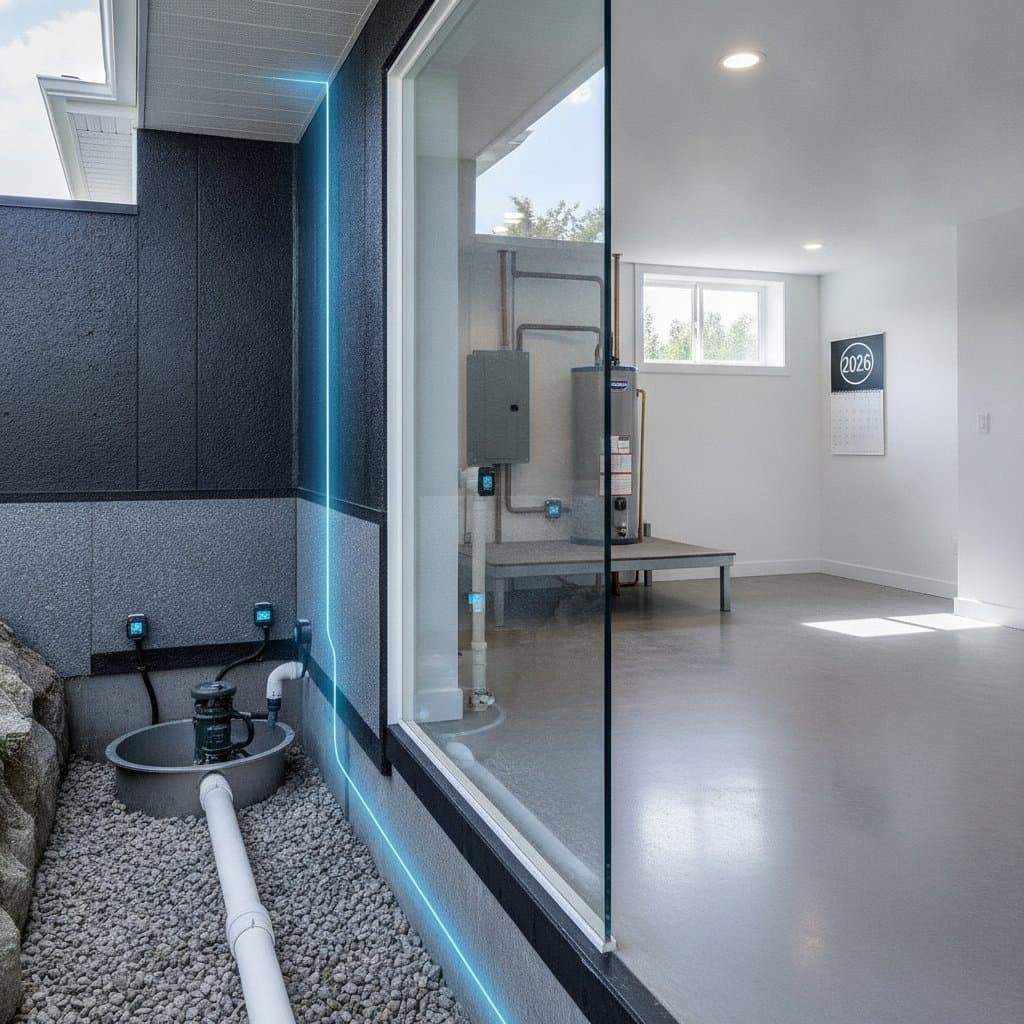
Wet floodproofing prepares enclosed areas to withstand temporary inundation without permanent damage. This approach suits non-living spaces where dry floodproofing proves impractical. Success relies on integrating vents, resilient materials, and protective measures for utilities.
Begin by consulting flood maps and elevation certificates to determine your property's base flood elevation. Select submersion-tolerant surfaces, including sealed concrete floors, porcelain tiles, and epoxy-coated walls. Avoid absorbent materials like drywall or carpet that complicate post-flood drying.
Incorporate flood vents as outlined earlier to manage water flow. Elevate critical systems, such as furnaces and electrical panels, on platforms above projected flood heights. Apply waterproof sealants to all wall penetrations, ensuring pipes and wires resist moisture intrusion.### Implementation Steps
- Verify flood zone status using official maps and certificates.
- Specify flood-resistant finishes for floors, walls, and ceilings.
- Position and install certified flood vents per code specifications.
- Raise mechanical and electrical components beyond flood levels.
- Seal gaps around utilities with durable, water-tight compounds.
- Compile detailed records, including installation diagrams and material specs.Thorough planning not only satisfies inspectors but also shortens recovery periods after events. Homeowners who maintain organized documentation report smoother interactions with authorities and insurers. Periodic reviews keep systems aligned with evolving standards.
Verifying Compliance Post-Flood
Post-flood assessments demand evidence that floodproofing measures performed as intended. Insurers and regulators scrutinize vent operation, material integrity, and overall setup. Proactive record-keeping accelerates approvals and avoids claim denials.
Gather an elevation certificate that details vent locations and specifications. Secure manufacturer certifications confirming engineered vent performance under tested conditions. Capture before-and-after photographs of installations, highlighting unobstructed access and functional components.
Track maintenance activities through dated logs, noting cleanings and repairs. If vents show signs of blockage, such as sediment buildup, document remediation steps. These records demonstrate ongoing commitment to safety and code adherence.### Essential Documentation Items
- Elevation certificate with vent placement details.
- Certified specs from vent manufacturers.
- High-resolution installation and condition photos.
- Comprehensive maintenance and inspection records.Neglect in areas like overgrowth near vents can render systems ineffective. Integrate annual inspections into property upkeep to sustain compliance. This diligence preserves property value and insurance protections.
Integrating Local Codes with FEMA Standards
FEMA establishes foundational floodproofing protocols through technical bulletins, emphasizing pressure equalization and material durability. Local jurisdictions adapt these with amendments reflecting unique environmental risks, such as variable rainfall patterns or unstable soils. Homeowners must cross-reference both to avoid discrepancies.
Building officials often enforce stricter vent elevations in high-velocity flood zones. Certain regions mandate engineered vents for habitable structures while permitting simpler openings in sheds. Engage your floodplain manager early to clarify hybrid requirements.
Updates occur periodically, driven by climate data and event analyses. Subscribing to municipal alerts ensures designs remain current. Compliant projects undergo fewer revisions, saving time and resources during permitting.
Sustaining Floodproofing Effectiveness
Ongoing vigilance transforms floodproofing from a one-time task into a resilient safeguard. Schedule biannual vent inspections to clear potential blockages and test mechanisms. Update material inventories as warranties expire or standards evolve.
Review insurance policies annually to leverage discounts for verified improvements. Train household members on emergency protocols, including post-flood shutdowns for utilities. These habits minimize risks and maximize recovery efficiency.
Investments in proper floodproofing yield peace of mind and financial security. Properties that meet rigorous criteria withstand events better and rebound swiftly. Commit to this framework to protect your home against rising waters.