How Smart Leak Detectors Prevent $10,000 in Water Damage
Water damage devastates homes rapidly, ruining floors, walls, and furnishings within hours. A subtle leak from a washing machine hose or concealed pipe connection can balloon into repair costs surpassing $10,000. Smart water leak detectors provide an economical solution by monitoring for moisture and issuing alerts before minor issues evolve into catastrophes.
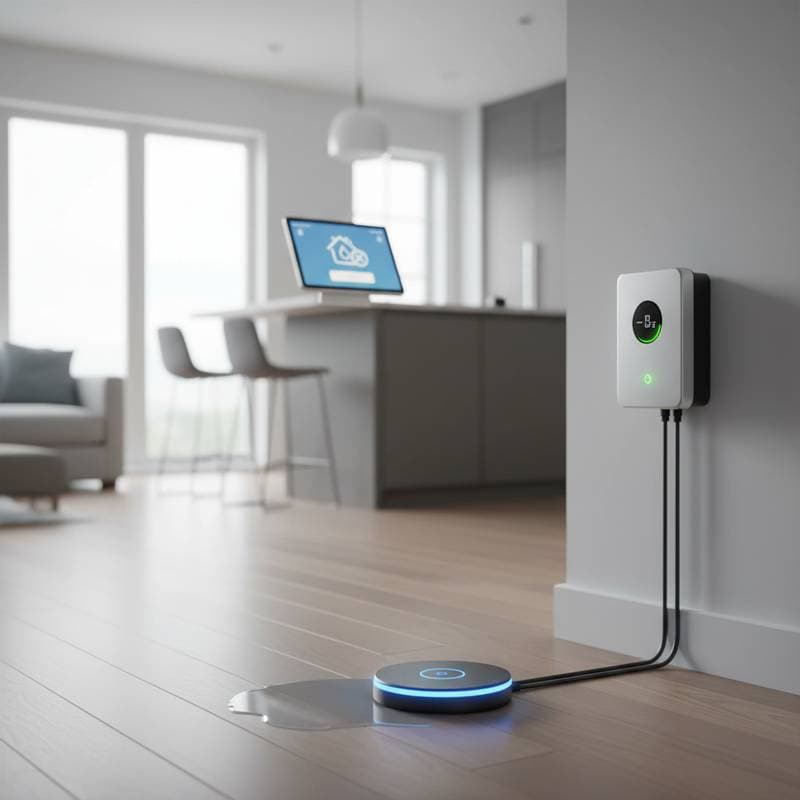
These devices consist of compact sensors that detect water presence in vulnerable spots. Homeowners receive notifications via mobile applications or smart home hubs, enabling swift intervention. Advanced models incorporate automatic shutoff features to minimize damage even when occupants are absent.
Essential Specifications
Typical Cost Range: $50 to $400 for complete systems
Sensor Coverage: 3 to 6 feet per unit
Alert Delivery: Immediate via app or central hub
Installation Complexity: Straightforward to moderate for DIY
Expert Setup: Advised for comprehensive home installations
The Necessity of Leak Detection in Modern Homes
Homeowners frequently identify water leaks only after substantial harm appears. At that stage, remediation expenses often surpass $10,000, encompassing structural dehumidification, surface replacements, and mold treatment. Smart leak detectors serve as proactive safeguards, monitoring moisture, temperature variations, and humidity levels in prone locations such as beneath sinks, adjacent to water heaters, and behind laundry appliances.
Upon contact with water, sensors trigger instant alerts to smartphones or integrated systems. Certain configurations automatically isolate the water supply, averting escalation. Beyond immediate protection, these installations foster reassurance and qualify for insurance reductions, as carriers acknowledge their role in mitigating costly incidents.
Pricing Structure
Costs fluctuate based on manufacturer, capabilities, and integration with broader smart home infrastructures.
- Entry-Level Single Sensors ($50 to $100): Battery-operated devices positioned at leak-prone sites, signaling via audible alarms, visual indicators, or app notifications.
- Expanded Multi-Sensor Packages ($150 to $300): Comprise multiple units connected to a hub for comprehensive surveillance, suitable for expansive residences or numerous fixtures.
- Advanced Automatic Shutoff Solutions ($300 to $400 and above): Incorporate valves that seal the primary water line upon detection, typically necessitating professional fitting.
Homeowners tailor investments to coverage needs, often initiating with 3 to 5 units in priority zones and scaling gradually.
Influences on Expense and Effectiveness
Multiple elements shape the affordability and dependability of smart leak detectors:
- Connection Method: Wi-Fi variants link directly to networks for enhanced accessibility, though at a premium; hub-dependent options employ radio or Zigbee protocols for cost efficiency.
- Energy Supply: Battery variants facilitate simple placement but demand routine replacements; plugged-in types ensure uninterrupted operation near power sources.
- System Compatibility: Integration with voice assistants or automation platforms elevates initial outlay yet enhances usability.
- Protection Scope: Residences with extensive bathrooms, kitchens, or utility areas require additional sensors for thorough safeguarding.
- Shutoff Integration: Incorporating intelligent valves raises expenses but delivers superior leak containment.
Operational Principles
Smart leak detectors employ moisture-sensitive probes to ascertain water accumulation and transmit warnings through linked applications. Select models additionally gauge temperature and humidity to flag risks like pipe freezing or mold development. Probes identify even minimal water layers on surfaces, while elongated cables monitor along full lengths, perfect for subfloors or attics.
Paired with automated valves, these systems promptly halt water flow, curbing harm during absences. Many retain logs of incidents, environmental shifts, and valve operations, offering insights into plumbing integrity.
Optimal Placement Strategies
Position sensors in leak-vulnerable zones for maximum efficacy:
- Under kitchen and bathroom sinks
- Adjacent to washers and dryers
- Beside water heaters and furnaces
- Near basement sump systems
- Beneath iced-water refrigerators
- Around bathroom fixtures
Strategic deployment layers defenses, with a single unit potentially averting significant expenditures.
Installation Options: Self-Guided or Expert-Assisted
Self-Guided Setup
Battery-powered sensors prioritize simplicity. Place them on floors or affix near pipes, then pair with Wi-Fi through the provider's application. Those adept with technology complete the process in under 60 minutes.
Expert-Assisted Setup
For shutoff-equipped or networked systems, engage plumbers or automation specialists to guarantee precision. They verify valve reliability and optimal sensor positioning. Labor fees range from $150 to $300, scaled to project scope.
Advantages Extending Leak Prevention
These detectors transcend basic detection by optimizing home operations. Environmental monitoring alerts to mold-fostering conditions or pump malfunctions. Usage analytics reveal inefficiencies or concealed drips within structures.
Frequent travelers benefit from remote oversight, prompting responses like neighbor notifications or app-controlled isolations.
Strategies for Cost Reduction
- Package Deals: Acquire alongside compatible smart gadgets like climate controls or surveillance for bundled savings.
- Policy Incentives: Inquire with insurers about credits for monitoring installations.
- Promotional Timing: Target discounts during seasonal home enhancement events.
- Phased Approach: Deploy initial sensors in critical spots, budgeting for future additions.
Such tactics accumulate savings without compromising early vigilance.
Frequently Addressed Inquiries
What is the lifespan of smart leak detectors? Sensors endure 3 to 5 years prior to battery service or renewal; wired variants persist longer with upkeep.
Do they operate amid power failures? Battery units sustain functionality, though network alerts may delay until restoration, barring cellular redundancies.
Are outdoor applications viable? Certain models suit moist interiors like garages; consult specifications for exterior suitability.
Steps to Secure Your Home Today
One undetected leak rivals the price of an entire detection array. Evaluate your property's susceptible areas, select a matching system, and implement safeguards to sidestep repairs and claims. Proactive measures yield enduring security and fiscal prudence.