Understanding Flood-Resistant Flooring for 2026 Homes
Water damage poses a significant threat to residential properties, particularly in regions susceptible to heavy rainfall, rising groundwater, or unexpected plumbing failures. The financial and emotional toll of repairing soaked carpets or distorted hardwood floors underscores the need for proactive measures. Flood-resistant flooring emerges as a strategic solution, offering materials engineered to repel moisture while maintaining aesthetic and functional integrity. These advancements in 2026 prioritize not only protection but also an elevation in overall home value through durable, visually appealing designs.
Homeowners in flood-vulnerable areas benefit from these options, which mitigate risks associated with basements, kitchens, and low-lying rooms. By selecting appropriate flooring, individuals can avert mold proliferation and structural compromises that often accompany water exposure. This approach transforms potential vulnerabilities into fortified assets, ensuring long-term stability and appeal.
The Impact of Water Intrusion on Traditional Flooring
Water entry begins subtly, perhaps through a overlooked leak or inadequate exterior drainage, but escalates rapidly into extensive harm. Conventional materials such as hardwood and carpet retain moisture, fostering environments conducive to mold and mildew development. Over time, this leads to irreversible warping, delamination, and the necessity for complete replacements, with average repair costs ranging from $5,000 to $20,000 per incident depending on the affected area.
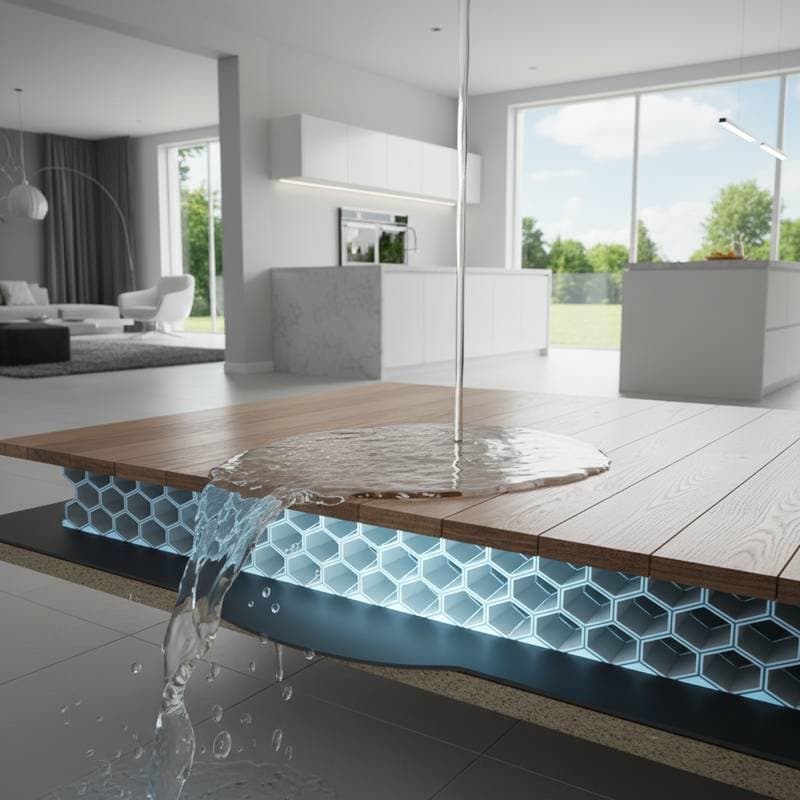
In contrast, flood-resistant alternatives feature impermeable surfaces and quick-drying compositions that limit absorption. For instance, luxury vinyl planks replicate the elegance of wood without the susceptibility to humidity fluctuations. Such innovations safeguard health by reducing airborne contaminants and preserve structural elements like subfloors and joists from deterioration.
Health considerations extend beyond immediate repairs; prolonged exposure to damp conditions correlates with respiratory issues and allergic reactions. Investing in resistant flooring thus serves as a preventive health measure, particularly for families with young children or elderly members. This dual role in protection and well-being positions it as an essential upgrade for modern residences.
Key Factors Influencing Installation Costs
The overall expense of installing flood-resistant flooring varies based on multiple elements, requiring careful evaluation for budget planning. Subfloor preparation stands as a primary determinant; uneven or compromised bases demand leveling or reinforcement, incurring additional charges of $1.50 to $3 per square foot. Professionals assess these conditions during initial consultations to provide accurate estimates.
Labor rates fluctuate regionally, with urban coastal zones commanding premiums up to 20% above national averages due to demand and logistical challenges. Complex layouts, including areas with intricate patterns, multiple obstacles, or transitions between rooms, extend installation durations and elevate material usage. Homeowners should anticipate these variables when soliciting bids.
Incorporating moisture barriers, such as polyethylene sheets or liquid-applied membranes, adds $0.50 to $1 per square foot yet yields substantial preventive value. These layers block vapor transmission, preserving the flooring's integrity over decades. Detailed quotations that delineate material, labor, and preparatory expenses facilitate transparent comparisons among service providers.
Effective Strategies to Minimize Expenses
Timing purchases aligns with market cycles to achieve notable reductions; retailers frequently offer discounts of 10% to 20% on waterproof lines during off-peak seasons like early spring. This period precedes the surge in renovation activities, allowing access to premium products at lowered rates.
Preserving existing baseboards and trim during installation conserves resources, potentially saving $1 to $2 per linear foot in removal and reinstallation fees. Skilled contractors employ protective techniques to maintain these elements intact, enhancing cost efficiency without compromising finish quality.
For those comfortable with basic preparations, self-installing vapor barriers complies with many local regulations and offsets labor costs by several hundred dollars. Tools required include utility knives, tape measures, and seam sealers, with online tutorials providing step-by-step guidance. This hands-on involvement empowers homeowners while ensuring professional-grade outcomes.
Financing options from suppliers, including zero-interest plans for eligible applicants, distribute payments over manageable terms without inflating totals. Bundling multiple room projects negotiates labor discounts of 10% or greater, as economies of scale reduce per-square-foot rates. Securing at least three competitive quotes from vetted local experts refines decision-making and uncovers the most advantageous terms.
Tailoring Choices to Regional Conditions
Geographic specifics dictate material selections for optimal performance. In coastal or humid environments, where salt air and persistent dampness prevail, porcelain tiles, resilient vinyl, or stone composites excel due to their non-porous natures and resistance to corrosion.
Colder regions benefit from incorporating waterproof underlayments that combat condensation buildup beneath surfaces, maintaining dryness year-round. Materials like cork with moisture-resistant treatments provide thermal insulation alongside flood defense, ideal for northern climates.
Areas with elevated water tables necessitate integrated solutions, pairing flooring upgrades with sump pump systems and whole-home dehumidifiers. This comprehensive strategy addresses root causes of moisture intrusion, extending the lifespan of installations. Compliance with local building codes remains paramount; flood zones often mandate adherence to FEMA guidelines, specifying tested materials for elevated resilience.
Consulting regional experts ensures selections align with environmental realities, from seismic considerations in earthquake-prone areas to humidity controls in tropical settings. Such customization maximizes efficacy and regulatory approval.
Calculating Return on Investment and Additional Perks
The financial returns from flood-resistant flooring manifest through multiple channels, beginning with drastic reductions in repair expenditures. Sidestepping a single water event averts outlays of $5,000 to $15,000, with cumulative savings compounding over property ownership.
Resale advantages prove compelling in markets attuned to flood risks; prospective buyers reward homes equipped with these features through premiums of 5% to 10% on listing prices. Appraisals reflect this enhanced desirability, bolstering equity accumulation.
Energy efficiency gains arise from integrated technologies, such as foam-backed vinyl or laminate that boosts thermal retention by up to 15%. This improvement lowers heating demands, translating to annual utility savings of $100 to $300 depending on home size and climate.
Synergizing with broader moisture management, like improved drainage or sealing protocols, amplifies these benefits. Long-term, this investment ranks among high-yield home improvements, often recouping costs within 3 to 5 years while elevating livability.
Materials Spotlight: Top Options for 2026
Luxury vinyl plank flooring leads innovations, mimicking natural grains with 20-mil wear layers for scratch and flood resistance. Available in widths up to 9 inches, it installs via click-lock systems over most subfloors, costing $3 to $7 per square foot.
Porcelain and ceramic tiles offer timeless durability, with glazed surfaces repelling water entirely. Textured variants enhance slip resistance, suitable for kitchens and baths, at $4 to $10 per square foot including grout sealing.
Engineered stone composites blend quartz and polymers for lightweight, impact-resistant profiles that withstand submersion without degradation. These eco-friendly choices, priced $6 to $12 per square foot, integrate recycled content for sustainable appeal.
Concrete overlays provide industrial chic with epoxy sealants, transforming existing slabs into waterproof expanses for $5 to $8 per square foot. Each option balances aesthetics, budget, and performance, catering to diverse design preferences.
Maintenance Essentials for Longevity
Routine care sustains flood-resistant flooring's protective qualities. Weekly sweeping or vacuuming removes debris that could abrade surfaces, while damp mopping with pH-neutral cleaners avoids residue buildup.
Annual inspections identify early signs of wear, such as seam separations or sealant cracks, prompting timely repairs. In high-traffic zones, applying refresh coats every 3 to 5 years preserves moisture barriers.
Avoiding harsh chemicals and excessive water during cleaning upholds warranties, typically spanning 10 to 25 years. These practices ensure sustained performance, minimizing future interventions.
Implementing Your Upgrade Plan
Begin by assessing vulnerability through a home audit, noting prone areas and past incidents. Research materials via supplier showrooms or virtual tools to visualize integrations.
Engage certified installers with flood-specific experience, reviewing portfolios and references. Finalize with post-installation walkthroughs to confirm satisfaction.
This structured approach secures a resilient, value-added home, ready to weather environmental challenges with confidence.