Skip Permits on These Home Upgrades in 2026
Homeowners often face the challenge of balancing renovation desires with regulatory requirements. In 2026, certain upgrades remain permit-free in many areas, allowing individuals to proceed with projects that enhance living spaces without bureaucratic delays. This guide identifies those upgrades, explains the rationale behind permit exemptions, and provides practical advice for execution.
Permits exist to ensure safety and compliance with building codes, particularly for work affecting structural integrity, electrical systems, or plumbing. Cosmetic and minor modifications typically fall outside these requirements. Understanding local variations proves essential, as rules differ by municipality.
Permit-Free Upgrades for 2026
Several home improvements qualify as permit-free across most jurisdictions. These focus on surface-level changes that do not alter the home's core systems. Below is a detailed list of options suitable for DIY enthusiasts.
-
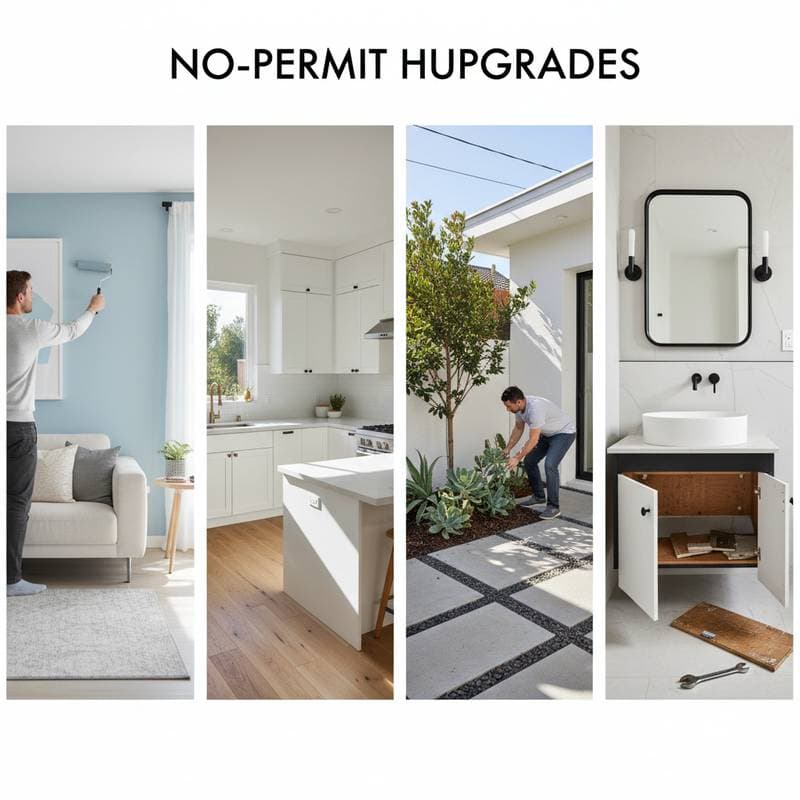
Interior Painting: Refresh walls, ceilings, and trim with new coats of paint. This upgrade improves aesthetics and protects surfaces without impacting structure. Select low-VOC paints for better indoor air quality, and prepare surfaces by cleaning and priming for a professional finish.
-
Flooring Installation: Replace carpets, tiles, or hardwood in non-load-bearing areas. Laminate or vinyl options offer durability and ease of installation. Ensure subfloors remain level to prevent future issues, and choose materials that match the room's traffic level.
-
Cabinet Swaps in Kitchens and Bathrooms: Update cabinetry by removing old units and installing new ones, provided no plumbing or electrical modifications occur. Measure spaces accurately and use pre-fabricated cabinets for straightforward assembly. This change modernizes the space while maintaining functionality.
-
Landscaping Enhancements: Plant gardens, install patios under 200 square feet, or add fencing below six feet in height. These outdoor projects enhance curb appeal without affecting the home's foundation. Check for utility line locations before digging to avoid disruptions.
-
Lighting Fixture Replacements: Swap out ceiling fans, chandeliers, or wall sconces with similar-wattage models. This avoids electrical rewiring, keeping the project simple. Use LED bulbs for energy efficiency and consult compatibility with existing wiring.
-
Window Treatments and Shelving: Install curtains, blinds, or floating shelves on non-structural walls. These additions provide organization and style without load-bearing concerns. Secure shelves with appropriate anchors to support weight safely.
Each of these upgrades delivers visible results with minimal tools and expertise. Homeowners save on permit fees, which can range from $100 to $1,000 depending on the project scale.
When Permits Become Necessary
Not all improvements escape permit requirements. Structural changes, such as adding rooms or modifying load-bearing walls, demand professional oversight. Electrical upgrades beyond fixture swaps, like installing new outlets or panels, require permits to prevent hazards.
Plumbing alterations, including relocating sinks or adding showers, fall into this category as well. Roofing replacements or deck constructions over certain sizes also trigger approvals. Ignoring these rules risks fines, forced rework, or safety violations.
To determine necessity, review local building department guidelines. Many cities maintain online databases or offer free consultations. If uncertainty arises, err on the side of obtaining a permit for peace of mind.
Safety Considerations and Insurance Implications
Proceeding without permits carries risks beyond regulatory fines. Unpermitted work might void insurance coverage if damage occurs during or after the project. For instance, a poorly installed floor could lead to slips, and insurers may deny claims linked to non-compliant modifications.
Prioritize safety by using quality materials and following manufacturer instructions. Wear protective gear, such as goggles and gloves, during tasks involving tools or chemicals. Test smoke detectors and carbon monoxide alarms post-upgrade to maintain home safety standards.
Document all work with photographs and receipts. This record proves diligence if questions arise later. For complex projects, hire licensed professionals who carry their own insurance, shielding homeowners from liability.
Confirming Local Rules and Planning Ahead
Local codes evolve, so verification remains crucial for 2026 projects. Contact your city's building department or visit their website for the latest permit exemption lists. Some areas classify exemptions by property type, such as single-family homes versus apartments.
Schedule a pre-project walkthrough with a local inspector if possible. They provide clarity on gray areas, like minor deck additions. Apps and online tools from home improvement associations offer general guidance, but official sources hold authority.
For future expansions, consult a licensed contractor early. They assess feasibility, recommend permit-free alternatives, and outline timelines. This approach integrates small upgrades into larger renovation plans seamlessly.
Achieving Lasting Home Improvements
Permit-free upgrades empower homeowners to personalize spaces efficiently. By focusing on cosmetic and minor projects, individuals refresh interiors and exteriors while avoiding delays. These changes boost property value and daily comfort without unnecessary complications.
Start small to build confidence, then scale as skills develop. Track savings from skipped fees and invest in durable materials for longevity. Ultimately, informed DIY efforts create safer, more inviting homes tailored to individual needs.