Kitchen Remodel Costs in 2026: Navigating Emerging Trends
Homeownership involves balancing aspirations with financial realities, and kitchen remodeling exemplifies this challenge. The kitchen serves as the central hub of the household, yet updating it ranks among the costliest endeavors. For those considering a remodel in 2026, understanding price fluctuations and influencing factors proves essential. With strategic planning and insight into expense allocation, individuals can achieve an attractive, efficient kitchen while adhering to budget constraints.
Essential Insights into Current Kitchen Remodel Expenses
Kitchen remodeling costs fluctuate significantly, and 2026 introduces distinct variations. While certain material prices have leveled off, labor rates and bespoke design elements continue to rise. Homeowners increasingly emphasize durable, high-quality components over fleeting aesthetic changes, which affects both expenditures and project durations.
The primary elements driving kitchen remodel budgets include the following:
- Cabinetry and storage options: Prices rise due to elevated costs for lumber and fittings. Semi-custom cabinets, for instance, average $8,000 to $15,000, depending on size and finish.
- Countertop surfaces: These constitute a substantial portion of the budget, particularly with popular choices like engineered quartz or granite. Expect to invest $2,000 to $5,000 for a standard installation.
- Appliances: Availability improvements make standard models more accessible, reducing costs by 5 to 10 percent. Energy-efficient units, however, maintain higher price points, often exceeding $3,000 for a full suite.
- Labor expenses: Demand for qualified contractors pushes rates upward, with hourly fees ranging from $50 to $150. Full remodels typically require 100 to 200 hours of professional work.
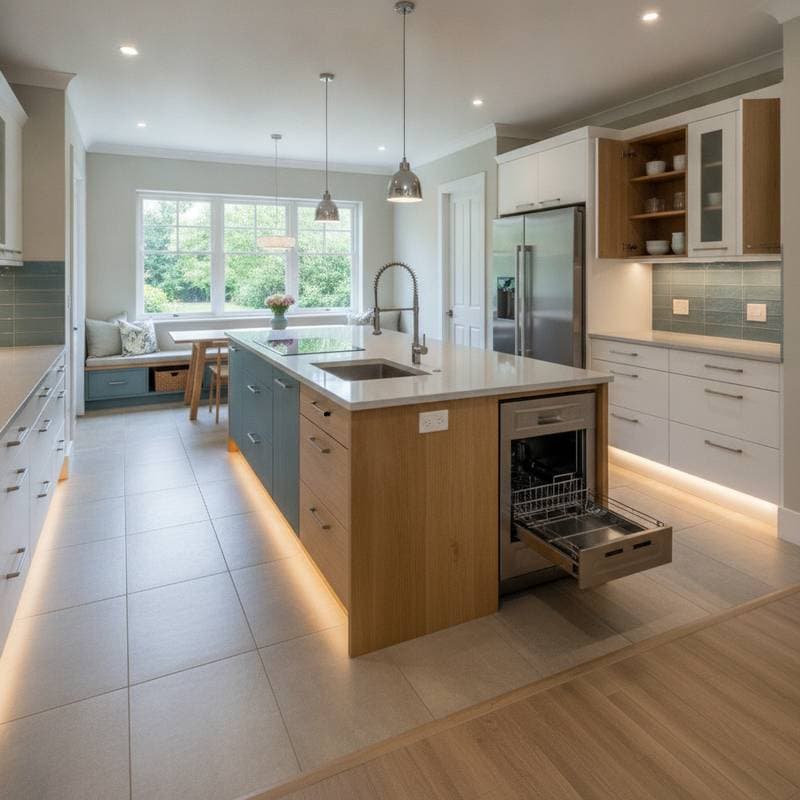
- Design preferences: Trends toward personalized layouts and integrated features elevate costs but enhance resale value. Custom islands or smart storage systems can add $5,000 or more.
Grasping these dynamics enables informed decisions on resource allocation, allowing prioritization of high-impact areas while streamlining others.
Indicators of Potential Budget Exceedance
The thrill of remodeling carries the risk of unforeseen expenses if monitoring lapses. Early detection of these signals helps maintain financial control:
- Design choices proceed without secured material estimates, leading to surprises upon procurement.
- Incremental additions accumulate, such as opting for premium hardware after initial selections.
- Delays occur as contractors await decisions, inflating labor charges through extended timelines.
- No contingency fund exists; experts recommend reserving 10 to 20 percent for contingencies like hidden structural issues.
Establishing firm priorities prior to starting work fosters discipline. For example, if resilient flooring takes precedence over ornate backsplashes, direct funds to those elements first. Regular budget reviews, conducted biweekly, further safeguard against overruns.
Effective Strategies for Cost-Conscious Remodeling
Achieving a modern, practical kitchen does not require excessive spending. Implement these targeted methods to maximize value:
- Opt for refinishing over full replacement: Apply fresh coats of paint or new veneers to existing cabinets, saving up to 70 percent compared to new installations. This approach refreshes appearance while preserving structural integrity.
- Blend premium and economical materials: Install high-end quartz on visible islands while using durable laminate for less prominent counters. Such combinations can reduce overall surfacing costs by 30 to 40 percent.
- Source pre-owned or display appliances: Retailers often offer floor models at 20 to 50 percent discounts, providing reliable performance without new-unit premiums. Verify warranties to ensure long-term coverage.
- Optimize spatial arrangements: Reconfigure workflows by repositioning sinks, stoves, and storage to enhance usability. This layout-focused tactic minimizes demolition needs and can cut construction expenses in half.
- Pursue phased improvements: Update hardware and doors on solid cabinets first, deferring full overhauls. This modular method spreads costs over time, allowing budget recovery between stages.
Incorporating energy-saving features, such as LED lighting or low-flow faucets, not only trims utility bills but also qualifies for potential rebates, further bolstering savings.
Homeowner Toolkit for Kitchen Projects
Project Complexity: Suitable for beginners to intermediate skill levels.
Required Equipment: Measuring tape, paintbrush, screwdriver, drill, level, safety goggles, and protective gloves.
Suitable DIY Tasks: Surface painting, fixture swaps, and basic tile applications.
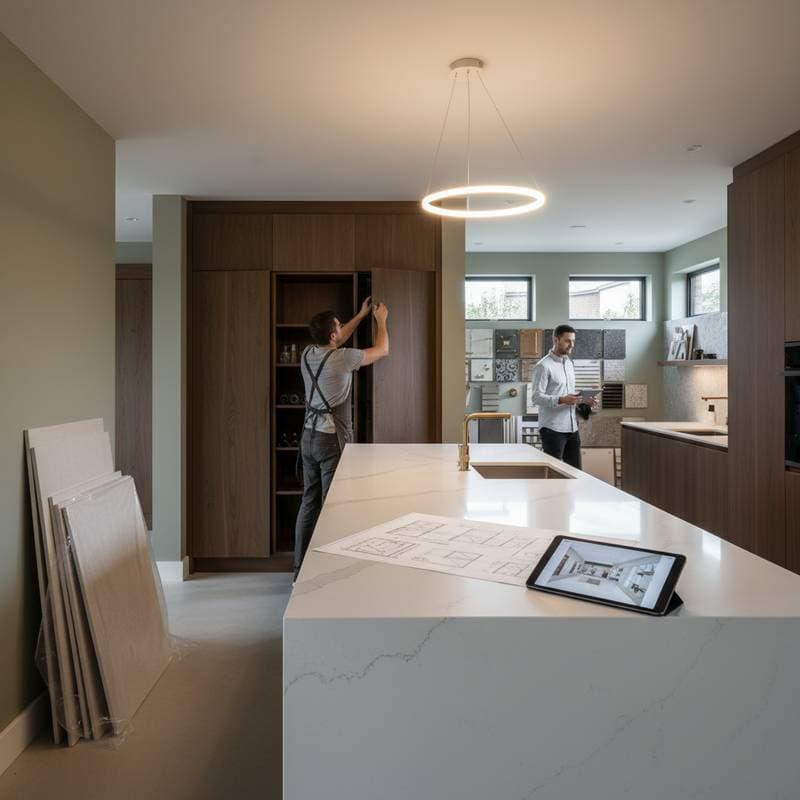
Professional Interventions: Essential for plumbing modifications, electrical rewiring, load-bearing adjustments, and precise countertop fitting.
Cost Projections: Basic DIY updates range from $2,000 to $5,000; comprehensive professional overhauls span $20,000 to $60,000, influenced by material selections and workforce involvement.
Preparation involves sketching layouts and gathering samples to visualize outcomes. Safety protocols, including proper ventilation during painting, prevent common mishaps.
Steps to Initiate Your Kitchen Transformation
Embarking on a kitchen remodel demands preparation, but the results yield enduring satisfaction and functionality. Review the outlined cost trends, assess DIY feasibility, and weigh professional contributions to align with personal objectives.
Compile a prioritized list of must-haves, solicit multiple contractor bids, and secure financing options early. This methodical approach ensures the project enhances daily life while respecting fiscal boundaries. As experience grows through each home endeavor, future updates become more streamlined and rewarding.