FEMA's 2026 Policy Shift Toward Proactive Flood Protection
Rising flood risks challenge homeowners nationwide, impacting property values, insurance rates, and financial stability. FEMA's 2026 policy update prioritizes prevention over reaction by introducing refined funding mechanisms, precise flood mapping, and streamlined low-interest loans. This approach positions flood mitigation as an essential element of home investment strategy, addressing vulnerabilities before disasters strike.
Essential Details on Mitigation Projects
- Average project cost: Ranges from $8,000 to $35,000, based on specific measures such as elevation, drainage improvements, and barrier installations.
- Loan amounts: Typically $10,000 to $250,000, featuring flexible repayment schedules to accommodate various budgets.
- Project timeline: Approval and construction generally span 1 to 6 months, depending on local regulations and complexity.
- Complexity level: Moderate to high, necessitating involvement from licensed engineers and qualified contractors.
- Durability: Structural enhancements last 25 to 50 years, providing enduring protection against flood events.
Detailed Cost Analysis by Mitigation Method
Expenses for flood protection differ according to a property's design, current elevation, and regional codes. Homeowners should consult local experts to tailor solutions effectively.
| Upgrade Type | Average Cost | Description |
|---|---|---|
| Foundation elevation | $20,000 - $80,000 | Elevates the structure above anticipated flood levels to prevent water entry. |
| Dry floodproofing | $5,000 - $15,000 | Applies seals to walls, windows, and doors to resist water penetration. |
| Wet floodproofing | $3,000 - $10,000 | Permits regulated water entry to minimize pressure on the building's frame. |
| Sump pumps and drainage | $2,000 - $8,000 | Channels excess water away from the foundation to avoid pooling. |
| Flood vents and openings | $800 - $2,500 | Equalizes hydrostatic pressure to safeguard against structural failure. |
Combining multiple upgrades often yields comprehensive coverage. FEMA-supported loans extend to cover consultations, engineering designs, and installation labor, facilitating thorough protection plans.
Strategies to Reduce Mitigation Expenses
Thoughtful preparation allows homeowners to lower costs while upholding effectiveness:
- Integrate multiple enhancements. Pair drainage installations with foundation reinforcements or site grading for efficiency.
- Pursue FEMA hazard mitigation grants. Residents in designated flood areas frequently qualify for subsidies covering a portion of expenses.
- Time projects strategically. Opt for off-peak seasons when contractor rates tend to decrease.
- Explore insurance reductions. Certain providers offer premium discounts for verified protective installations.
- Incorporate sustainable options. Selecting energy-saving materials during upgrades may unlock further financial incentives.
Deciding Between DIY Efforts and Professional Services
Basic maintenance, such as flood vent installations or sump pump checks, suits capable homeowners with relevant experience. However, substantial modifications like elevations or utility relocations demand certified experts to ensure compliance and safety.
Inadequate implementations risk invalidating insurance policies and introducing hazards. Prior to any work, arrange a thorough site evaluation and obtain comprehensive quotes from accredited professionals. FEMA's revised standards promote thorough documentation of all efforts, which supports access to ongoing aid and premium adjustments.
Steps to Implement Flood Protection
FEMA's 2026 updates provide homeowners with vital resources to shield assets and maintain equity. Proactive measures secure favorable loan terms, grant eligibility, and avoidance of extensive post-flood repairs.
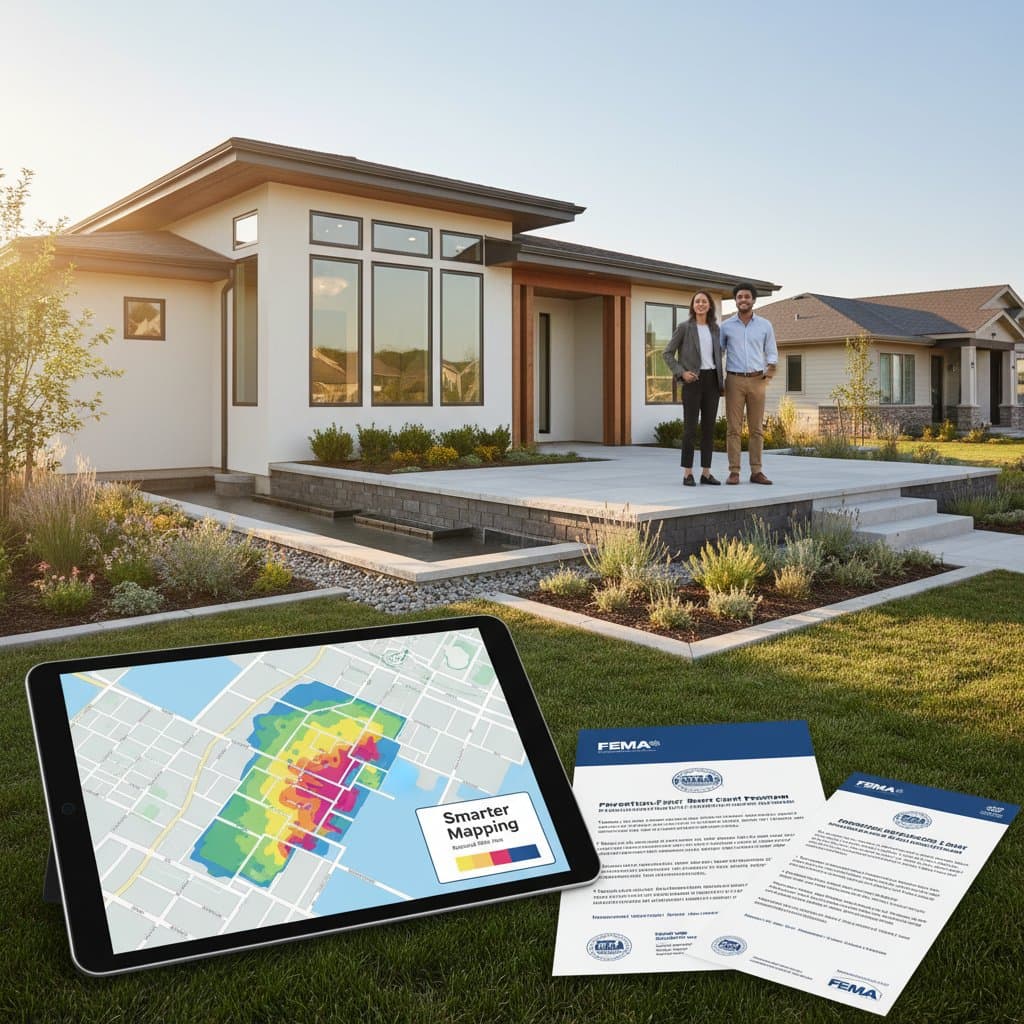
Begin by examining your property's position on official flood maps, then engage regional specialists for a vulnerability assessment. Collect bids from no fewer than three reputable firms, inquiring specifically about their familiarity with FEMA-funded initiatives.
These enhancements not only fortify your residence but also elevate market appeal in an era of evolving weather patterns. Leveraging updated financing and mapping resources, proactive floodproofing emerges as a prudent step to secure your property's enduring worth and stability.