Understanding Universal Design in Bathrooms
Universal design refers to the creation of environments that accommodate people of all ages, sizes, and abilities without compromising aesthetics or functionality. In bathrooms, this approach integrates features that promote independence and safety for everyone, from young families to aging homeowners. As demographic shifts toward an older population accelerate, homes with these adaptable spaces stand out in the real estate market.
By 2026, experts predict that buyers will prioritize properties offering long-term livability. Universal design bathrooms address this demand directly, transforming a standard room into a versatile asset. Homeowners who invest now position themselves for substantial returns when selling.
Core Principles of Universal Design
The foundation of universal design rests on seven principles: equitable use, flexibility, simple and intuitive operation, perceptible information, tolerance for error, low physical effort, and size and space for approach. These guidelines ensure bathrooms remain practical throughout life changes. For instance, equitable use means features benefit all users equally, avoiding specialized adaptations that feel institutional.
Applying these principles creates bathrooms that evolve with needs. A space designed for a child today supports a senior tomorrow. This forward-thinking strategy not only enhances personal comfort but also appeals to a broad buyer base in future sales.
Essential Features for a Universal Design Bathroom
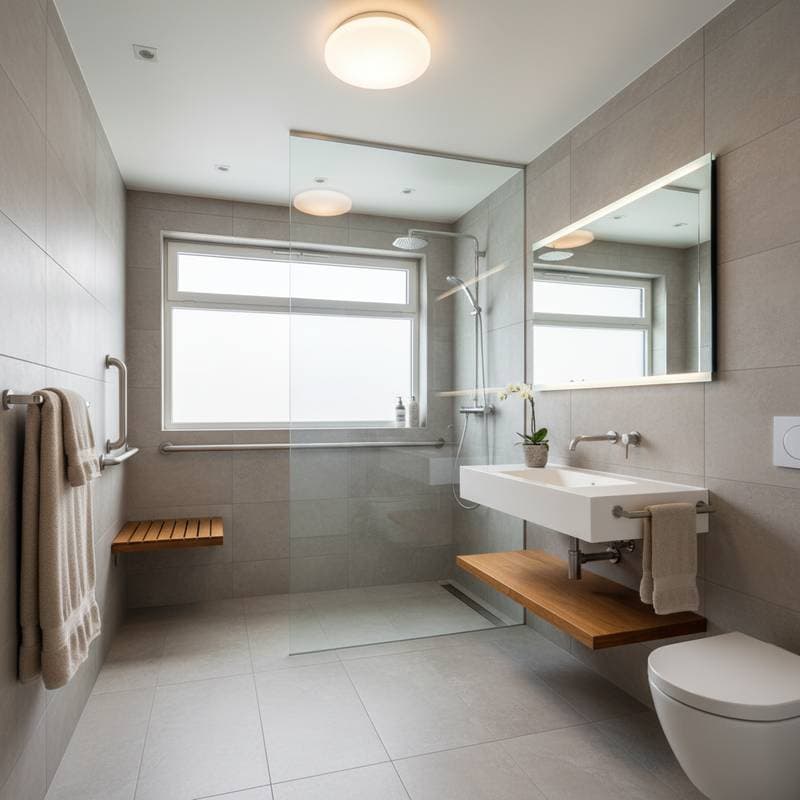
Incorporating specific elements elevates a bathroom's usability and appeal. Curbless showers eliminate tripping hazards and allow seamless wheelchair access, blending effortlessly with the floor for a spacious feel. Non-slip flooring, often textured porcelain or vinyl composites, provides secure footing even when wet.
Grab bars installed at strategic heights offer support without altering the room's style; opt for concealed mounting to maintain a modern look. Lever-style faucets and door handles require minimal force, making operation accessible for those with limited dexterity. Adjustable-height vanities accommodate standing, seated, or varying user statures, while motion-sensor lighting ensures clear visibility at all times.
Wider doorways, at least 32 inches, facilitate easy movement for mobility aids. Heated floors add comfort in colder climates, and touchless fixtures reduce germ spread. These features combine practicality with elegance, ensuring the bathroom feels inviting rather than clinical.
Benefits Beyond Accessibility
Universal design bathrooms deliver immediate improvements in daily life. Enhanced safety reduces fall risks, a leading cause of injuries in homes. Comfort increases through ergonomic layouts that minimize strain during routines like bathing or grooming.
For families, these spaces foster inclusivity, allowing everyone to use the same facilities comfortably. Energy-efficient elements, such as low-flow fixtures, lower utility bills over time. Overall, the design promotes wellness by supporting physical independence and mental ease.
Why Universal Design Drives 2026 Resale Value
Market trends indicate that by 2026, over 70 percent of homebuyers will seek properties with aging-in-place features due to the growing retiree population. Universal design bathrooms signal a home ready for the future, differentiating it from competitors with outdated layouts. Appraisers recognize these upgrades as value-adders, often increasing property worth by 5 to 10 percent.
Buyers appreciate the cost savings of avoiding future renovations. A well-designed bathroom appeals to multigenerational households, expanding the potential buyer pool. In competitive markets, homes with these features sell faster and at premium prices, turning proactive upgrades into financial advantages.
Steps to Implement Universal Design Upgrades
Begin by assessing your current bathroom's layout and usage patterns. Identify pain points, such as narrow doorways or high tubs, through a simple walkthrough. Consult local building codes to ensure compliance, as requirements vary by region.
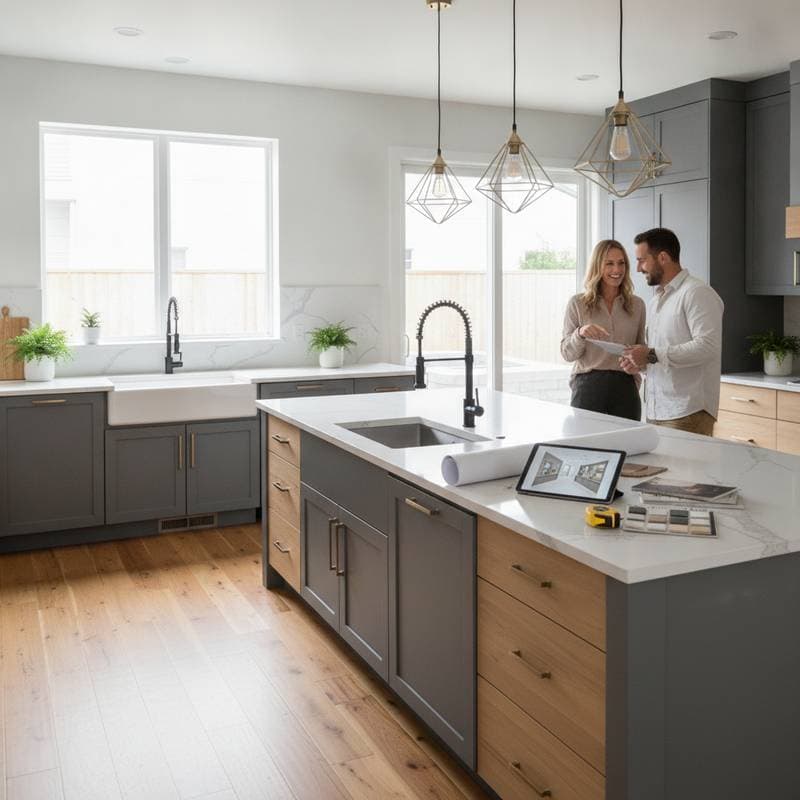
Next, prioritize features based on your lifestyle and budget. Start with high-impact changes like installing grab bars or replacing flooring. Sketch a floor plan to visualize flow, ensuring at least 30 inches of clearance around fixtures.
- Measure existing space to confirm feasibility for additions like curbless showers.
- Select materials that balance durability and style, such as slip-resistant tiles.
- Integrate smart technology, like voice-activated controls, for added convenience.
Professional input proves essential for complex alterations. Engage a certified designer early to avoid costly errors. They provide expertise in sourcing compliant products and optimizing layouts.
Budgeting for Your Renovation
Universal design upgrades range from modest to comprehensive, depending on scope. Basic enhancements, such as lever handles and non-slip mats, cost under $1,000 and yield quick wins. Mid-level projects, including grab bars and lighting upgrades, typically fall between $2,000 and $5,000.
Full overhauls with curbless showers and custom vanities may exceed $10,000, but financing options like home equity loans ease the burden. Focus on return on investment by choosing timeless materials that resist wear. Energy-saving fixtures qualify for rebates in many areas, offsetting initial expenses.
To stretch your budget, phase the project: address safety first, then aesthetics. Shop during sales or consider DIY for simple installs like shelf adjustments. Always allocate 10 to 15 percent extra for unforeseen issues.
When to Hire Professionals
Tackle minor updates independently if you possess basic skills, such as painting or accessory installation. However, structural changes demand expert hands. Plumbers handle shower conversions to prevent leaks, while contractors ensure waterproofing integrity.
Hire specialists for electrical work, like installing low-voltage lighting. A universal design consultant guides selections aligned with principles. Expect timelines of 4 to 8 weeks for major renovations, factoring in permits.
Professionals mitigate risks and guarantee quality, preserving your home's value. Verify credentials through industry associations before committing.
Unlocking Long-Term Home Value
Investing in a universal design bathroom prepares your home for evolving needs and market preferences. These upgrades enhance livability today while securing financial gains tomorrow. By 2026, your forward-looking space will attract discerning buyers ready to pay a premium.
Embrace this opportunity to create a bathroom that endures. The result is a home that supports life's stages, delivers joy, and rewards your vision with enduring worth.